Pro Tips for Best Results
I tested the rice seasoning three different ways: cooling the vinegar mix first, adding it hot, and adding it warm. Adding the warm mixture to the warm rice is the winner. The heat helps the rice absorb the flavor more evenly, and you get that perfect balance of sweet and tangy in every single grain. Don’t pour it in all at one spot; drizzle it evenly for the best distribution.
When it comes to rolling, confidence is key. My first few rolls were loose and fell apart. I learned that the initial tuck is everything. You have to use the mat to firmly tuck the rice and nori over the fillings and under itself before you complete the roll. Don’t be afraid to apply pressure. A loose roll is much harder to slice neatly than a firm one. And trust me, a tight roll makes for a more elegant bite.
The knife is your final, crucial tool. A dull knife will massacre your roll. I use my sharpest chef’s knife, and I run it under hot water and wipe it dry before every single cut. The slight heat and moisture help the blade glide through without tearing or sticking. I also never use a serrated knife for this; you want a clean, sharp edge for pristine pieces.
Common Mistakes to Avoid
The biggest mistake I made the first time was overloading the roll. I got excited and put in too much salmon and avocado, thinking more is better. What I got was a roll that wouldn’t close and burst at the seams when I tried to cut it. Don’t do what I did! A modest, single layer of each filling is all you need. The beauty is in the balance of flavors, not the sheer volume. Remember, you can always make another roll!
Another common pitfall is using rice that’s too hot or too cold when you roll. If it’s too hot, it will steam the nori and make it soggy and difficult to cut. If it’s too cold, it won’t stick together properly. Room temperature rice has the perfect texture for handling. If you’ve let yours cool completely and it’s gotten hard, a very brief zap in the microwave with a damp paper towel over it can bring it back to life.
Serving Suggestions
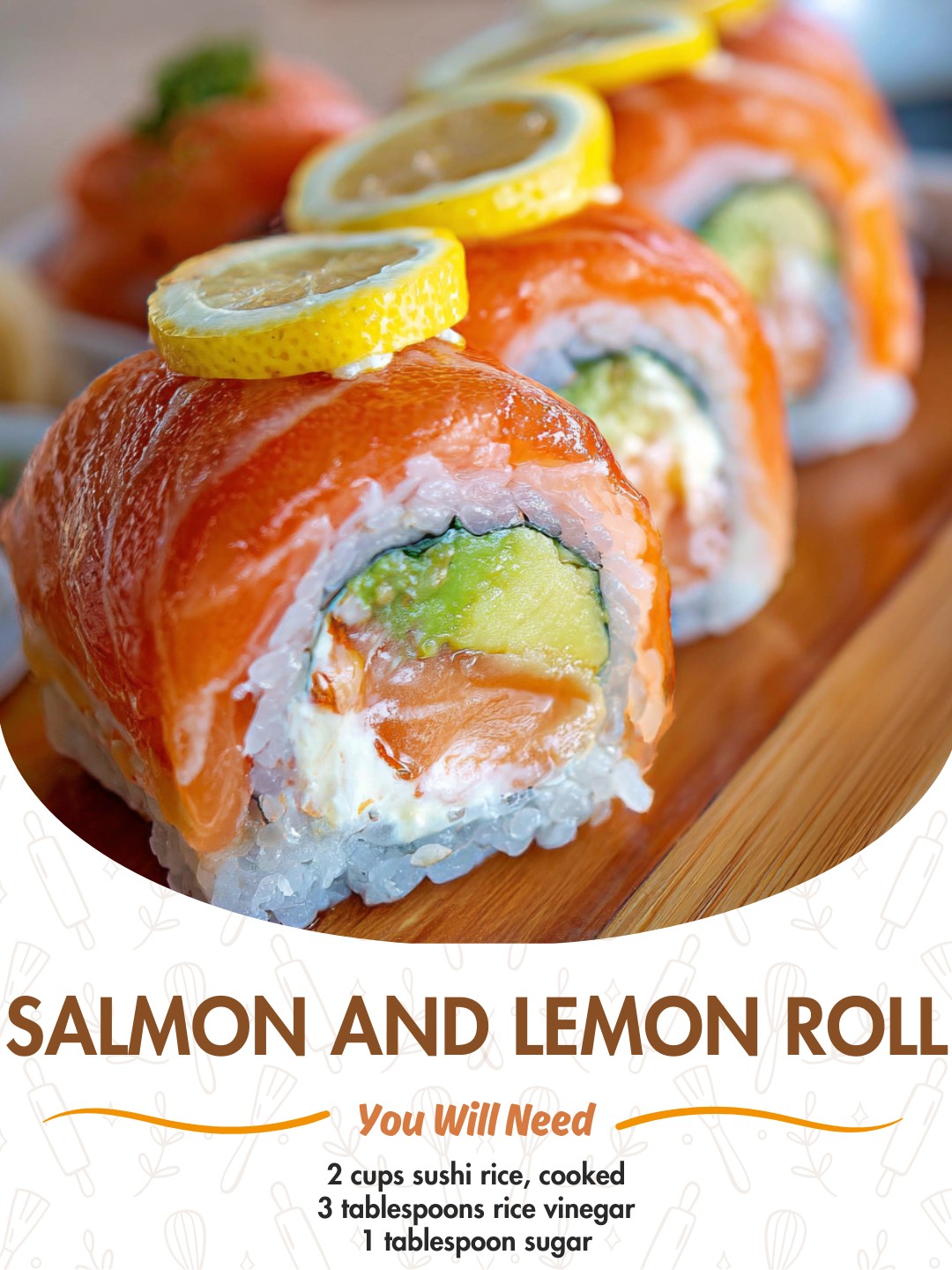
I like serving these rolls immediately after slicing, arranged on a simple platter or wooden board. I garnish the plate with a few extra thin lemon slices and a small pile of the lemon-zested mayo for dipping. The visual contrast of the pink salmon, green avocado, and yellow lemon against the black nori and white rice is stunning—it’s a feast for the eyes before you even take a bite.
On the side, I always include small bowls of soy sauce for dipping (I use low-sodium so the salt doesn’t overpower), a dollop of vibrant green wasabi, and a few slices of sweet, pink pickled ginger. The ginger is essential, in my opinion; it cleanses the palate between bites and lets you fully appreciate each flavor anew.
For a complete meal, I often pair this with a simple, crisp salad of butter lettuce with a ginger-sesame dressing, or a light miso soup. It turns the experience from a snack into a proper, satisfying dinner that feels incredibly special but was honestly quite simple to put together.
Variations & Customizations
Once you’ve mastered the classic, the fun begins. I’ve tried a version where I mixed a tiny bit of wasabi paste directly into the mayonnaise along with the lemon zest for an extra kick. It was fantastic! You could also add a few drops of toasted sesame oil to the rice for a nutty depth, or sprinkle some black or white sesame seeds over the rice before you roll for added texture and visual flair.
If you want to switch up the fish, this method works beautifully with other sushi-grade options. I’ve made it with tuna for a deeper flavor, and with yellowtail (hamachi), which is exquisite. For a vegetarian twist, you could replace the salmon with sticks of ripe mango or even grilled asparagus. The lemon pairs wonderfully with all of these.
For an inside-out roll (uro-maki), spread the rice on the nori, then carefully flip the whole sheet over so the rice is on the plastic wrap and the nori is on top. Add your fillings to the nori side and roll. You can then roll the finished rice-covered log in sesame seeds or tobiko (flying fish roe) for a spectacular finish. It’s a bit trickier, but so impressive.
How to Store, Freeze & Reheat
I have to be honest: sushi is always, always best served the day it’s made. The nori starts to soften from the moisture in the rice and fillings over time. That said, if you have leftovers, you can store them. I place pieces in a single layer in an airtight container, separated by parchment paper, and refrigerate for up to 24 hours. They won’t be as perfect, but they’ll still taste good. Do not freeze them—the texture of the rice and fish becomes irreparably damaged upon thawing.
There is no good way to reheat sushi rolls. They are meant to be enjoyed cool or at room temperature. If you’ve refrigerated them, let them sit out for 10-15 minutes to take the chill off before eating. I would not recommend eating refrigerated raw fish after 24 hours for food safety reasons. My best advice? Invite a friend over and enjoy them all fresh—it’s rarely a problem in my house!
Conclusion
Making these Salmon and Lemon Rolls has become one of my favorite kitchen rituals. It’s a process that engages all the senses and ends with the most delicious reward. I hope you’ll give it a try and discover the same joy I did. Don’t be intimidated by the rolling; like anything, it gets easier with practice. Gather your freshest ingredients, pour yourself a drink, put on some music, and embrace the fun of creating something truly special. I promise, that first perfect bite will make every bit of effort worth it. Happy rolling