Pro Tips for Best Results
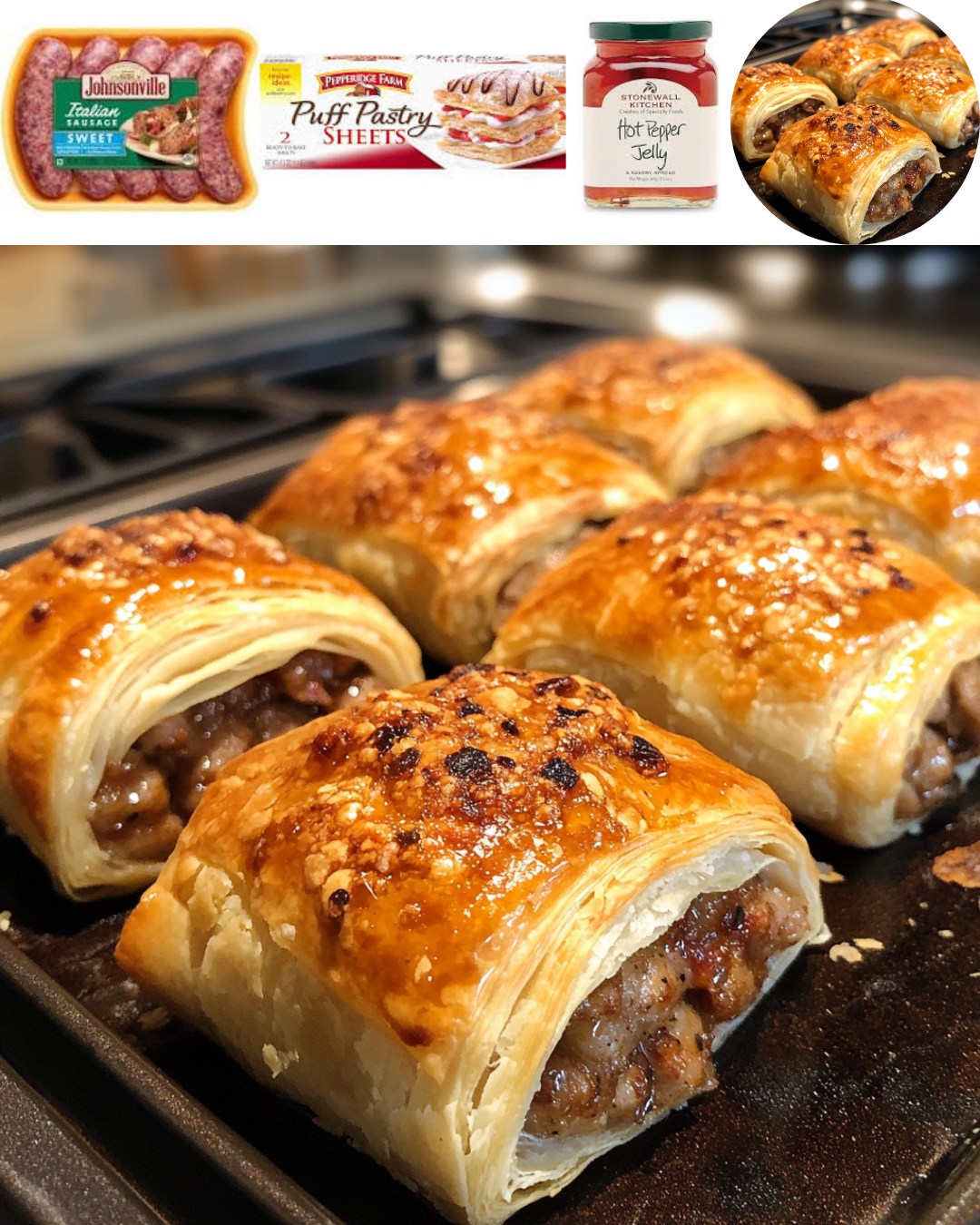
I tested the glazing step three different ways: brushing with jelly before baking, halfway through, and at the end. Brushing for the final 5-10 minutes is the absolute winner. Doing it too early causes the sugar in the jelly to burn, giving a bitter taste. Doing it right at the end gives you that perfect, sticky, shiny glaze that clings to the pastry without scorching. The visual and textural difference is remarkable.
Keeping your pastry cold is your secret weapon. If the butter in the pastry starts to melt before it hits the oven, you won’t get those epic, soaring, flaky layers. I work relatively quickly once the pastry is rolled out, and if my kitchen is particularly warm, I’ll even pop the assembled, uncut logs into the freezer for 10 minutes before slicing and baking. It feels like an extra step, but it guarantees maximum puff.
Don’t skip the egg wash. I know it seems like a small thing, but I’ve made a batch without it (I ran out of eggs once in a pinch), and the difference was stark. Without it, the pastry bakes up pale and a bit dry-looking. The egg wash promotes browning, adds a slight richness, and gives the pepper jelly something beautiful to adhere to. It’s the professional finish on a home-cooked treat.
Common Mistakes to Avoid
The first time I made these, I was in a hurry and didn’t seal the pastry seam well enough. I just pressed it with my fingers. Big mistake. In the heat of the oven, the seams burst open, and all that delicious sausage started oozing out. It was a mess, and the rolls lost their shape. Don’t do what I did. Take the extra ten seconds to crimp that seam firmly with a fork. It creates a physical seal and looks wonderfully rustic.
Another classic error is cutting the rolls before they’ve had a minute to rest after baking. I know the temptation is overwhelming—they smell incredible. But if you bite into one straight from the oven, the filling will be like molten lava and can squirt out. I let mine cool on the sheet for at least 5-7 minutes. This allows the juices to settle, the pastry to crisp up, and the jelly to set just a touch. It makes for a much neater (and safer) eating experience.
Serving Suggestions
I like serving these sausage rolls warm, arranged on a big wooden board or platter. They are the ultimate party food, but I also make them for a indulgent weekend lunch. For a casual gathering, I’ll put a little extra bowl of warmed pepper jelly on the side for dipping—because you can never have too much of that sweet-heat flavor. A simple green salad with a sharp vinaigrette is the perfect accompaniment to cut through the richness.
For a more substantial meal, I’ll turn these into the main event alongside some creamy mashed potatoes and steamed green beans or roasted carrots. The pepper jelly from the rolls almost acts as a built-in sauce for the whole plate. It’s incredibly satisfying. They also pair beautifully with a tangy, crunchy coleslaw; the cool, creamy crunch is a fantastic contrast to the warm, flaky pastry.
When it comes to drinks, these are wonderfully versatile. A cold, crisp lager or pale ale is a classic pub-style match. If you prefer wine, a slightly chilled Gamay or a Zinfandel with a bit of fruitiness stands up to the spice and savoriness perfectly. For a non-alcoholic option, a sparkling apple cider or even a ginger beer complements the flavors wonderfully.
Variations & Customizations
This recipe is a fantastic canvas. I’ve tried a version using spicy Italian sausage instead of plain pork, and it was fantastic—it doubled down on the heat, so I used a sweeter, milder pepper jelly to balance it. For a herby twist, try adding a tablespoon of fresh chopped parsley or thyme to the sausage mix. My friend who doesn’t eat pork makes these with a blend of ground chicken and turkey, adding a touch more sage and a spoonful of olive oil for moisture, and they turn out beautifully.
The pepper jelly itself is a world of customization. I’ve made these with a classic red jalapeeno jelly, a sweet-habanero jelly for more fire, and even a peach-habanero variety which added a incredible fruity depth. If you have a favorite local or artisan jelly, this is the time to use it. You can also play with the cheese—a little sharp cheddar or gruyère grated into the sausage mixture before filling adds a lovely molten surprise.
For a different shape, you can make one giant “sausage plait.” Simply place the sausage log in the center of the pastry sheet, cut diagonal strips up each side, and fold them over the filling in a criss-cross braid. It looks spectacular and is great for slicing at the table. Mini versions, cut into half-inch pieces, make perfect one-bite canapés for fancier parties.
How to Store, Freeze & Reheat
These store beautifully. Once completely cooled, I place them in an airtight container in the refrigerator for up to 3 days. To reheat, I never use the microwave—it makes the pastry soggy. Instead, I arrange them on a baking sheet and warm them in a 350°F (175°C) oven for about 8-10 minutes, until hot and crisp again. This method restores their texture almost perfectly.
They also freeze like a dream, which is why I often double the batch. I freeze the unbaked, glazed rolls after slicing. I place them on a parchment-lined sheet, freeze until solid (about 2 hours), then transfer to a freezer bag. They can go straight from the freezer to the oven; just add 5-8 extra minutes to the baking time. You can also freeze them after baking and cooling. Reheat frozen baked rolls in a 350°F oven for 12-15 minutes. Having a stash of these in the freezer has saved me on countless unexpected guest occasions.
Conclusion
These Sausage Rolls with Pepper Jelly have become more than just a recipe in my kitchen; they’re a little edible piece of joy, a guaranteed crowd-pleaser that always sparks a conversation. The process of making them is wonderfully straightforward, and the payoff—those flaky, savory, sweet-and-spicy bites—is immense. I truly hope you give them a try and that they bring as much warmth and deliciousness to your table as they have to mine. Happy baking