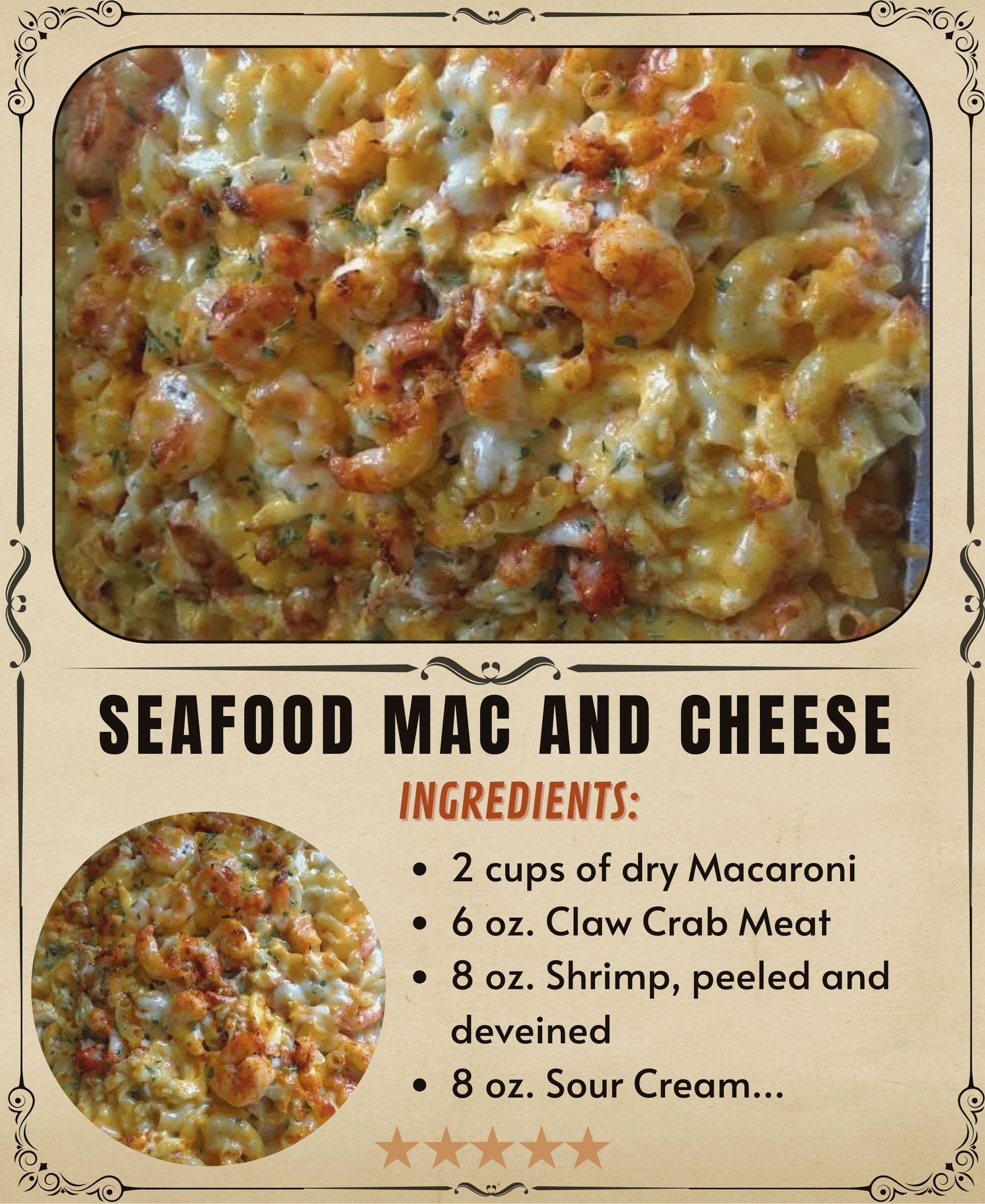
Pro Tips for Best Results
I tested the seafood addition three different ways: mixing it in raw, mixing it in cooked, and layering it. Mixing in cooked shrimp and crab at the end, just before baking, was the clear winner. It ensures the shrimp stay tender and juicy and the crab doesn’t get lost or rubbery. If you add raw seafood directly, it releases too much water and can make the whole dish soggy. This method gives you perfect bites every time.
Here’s what I learned the hard way about the sauce: temperature control is everything. If your heat is too high when you add the cheese, the fat can separate, and you’ll get a greasy, broken sauce. Low and slow is the mantra. Also, always warm your milk slightly before adding it to the roux. Adding cold milk to a hot roux can cause it to seize up and become lumpy, and no amount of frantic whisking will fully save it. I’ve been there, staring into a pot of lumpy white sauce—don’t be like past me.
For the ultimate flavor, consider using the pan you cooked the shrimp in to make your roux. Those little browned bits left behind (the fond) are pure flavor gold. Just melt your butter right in there and proceed. It adds a subtle, savory seafood essence to the entire cheese base that is absolutely incredible. It’s a tiny step with a huge payoff.
Common Mistakes to Avoid
My biggest first-time mistake was overcooking the pasta in the initial boil. I cooked it to full al dente, but then it continued to cook in the hot sauce and again in the oven. The result was a bit soft for my taste. Remember, undercook it by a full minute! It will feel too firm, but trust the process. It soaks up the sauce and finishes perfectly in the oven, giving you that ideal texture that holds its shape but melts in your mouth.
Another pitfall is overhandling the crab. Claw meat is delicate. When you fold it into the mac and cheese, use a gentle hand and just a few turns to incorporate it. If you stir it vigorously, it will completely disintegrate, and you’ll lose those wonderful, meaty chunks. I did this once and was left wondering where all my expensive crab went—it had simply vanished into the sauce. Be gentle, and you’ll be rewarded with distinct, sweet bites.
Serving Suggestions
I love serving this mac and cheese straight from the baking dish at the table—the presentation is part of the fun. A simple, bright green salad is my perfect pairing. The crisp, acidic vinaigrette cuts through the rich, creamy decadence of the mac and cheese beautifully. My go-to is just mixed greens with a lemon-Dijon vinaigrette. It creates the perfect balance on the plate and makes the meal feel more complete.
For a more casual, surf-and-turf vibe, I’ll pair it with some roasted asparagus or garlicky sautéed green beans. The earthy vegetables are a fantastic complement to the seafood. If I’m really leaning into the coastal theme, I’ll serve it with some warm, crusty bread for soaking up every last bit of cheesy sauce and a glass of crisp Chardonnay or a pale ale.
When I have guests, I garnish the top with that fresh chopped parsley just before serving. It’s not just for looks (though the green pop is lovely). That little bit of freshness elevates the whole dish. Sometimes, I’ll add an extra sprinkle of Old Bay seasoning over individual servings for my friends who love that classic seafood flavor. It makes everyone feel like they can customize their bowl.
Variations & Customizations
This recipe is wonderfully adaptable. If crab and shrimp aren’t your thing, or you want to mix it up, try using flaked cooked salmon or even some chopped lobster tail for the ultimate luxury version. I’ve made it with a mix of scallops and shrimp, and it was divine—just sear the scallops quickly like the shrimp. For a Southern twist, a friend of mine adds a dash of Cajun or Creole seasoning to the cheese sauce and uses andouille sausage along with the shrimp. It’s spicy, smoky, and incredible.
For cheese lovers who want to experiment, the blend is your playground. I adore the cheddar-Gruyère mix, but a Fontina adds amazing meltability, and a bit of smoked Gouda can add another layer of depth. If you want a sharper bite, swap half the cheddar for a good white cheddar or even some Pepper Jack for a subtle heat. Just remember to keep a balance so one flavor doesn’t overpower the delicate seafood.
On the lighter side, you can make a few swaps without sacrificing too much creaminess. Use half-and-half instead of whole milk for an even richer sauce, or for a slightly lighter version, 2% milk works in a pinch (though the sauce will be a touch less velvety). You can also substitute the sour cream with full-fat Greek yogurt for a similar tang. I don’t recommend skipping the dairy-based sauce for a vegan alternative here, as it really is the soul of the dish.
How to Store, Freeze & Reheat
Leftovers (if you’re lucky enough to have them!) store beautifully. Let the dish cool completely, then cover tightly with plastic wrap or transfer to an airtight container. It will keep in the refrigerator for up to 3 days. To reheat, I strongly advise against the microwave for the whole portion, as it can make the seafood rubbery and the sauce separate. Instead, reheat it in the oven. Place individual servings in an oven-safe dish, add a tiny splash of milk over the top to keep it moist, cover with foil, and bake at 350°F until warmed through, about 15-20 minutes.
You can freeze this dish before or after baking. To freeze unbaked, assemble it in a freezer-safe dish, but don’t add the Panko topping. Wrap it tightly in a few layers of plastic wrap and foil. It will keep for up to 2 months. Thaw overnight in the fridge, add the topping, and bake as directed, adding a few extra minutes if needed. You can also freeze individual baked portions. The texture of the pasta and seafood will change slightly upon thawing and reheating—it won’t be quite as perfect as fresh—but it will still be delicious and a fantastic make-ahead meal for a busy night.
Conclusion
This Seafood Mac and Cheese is more than just a recipe to me; it’s a happy kitchen accident that turned into a signature dish. It represents the joy of cooking—taking risks, trusting your palate, and creating something that brings people together. I hope you feel the same warmth and satisfaction making it and sharing it as I do. So gather your ingredients, put on some music, and get ready to make a memory (and a truly amazing dinner). Don’t forget to come back and tell me how it turned out! Happy cooking