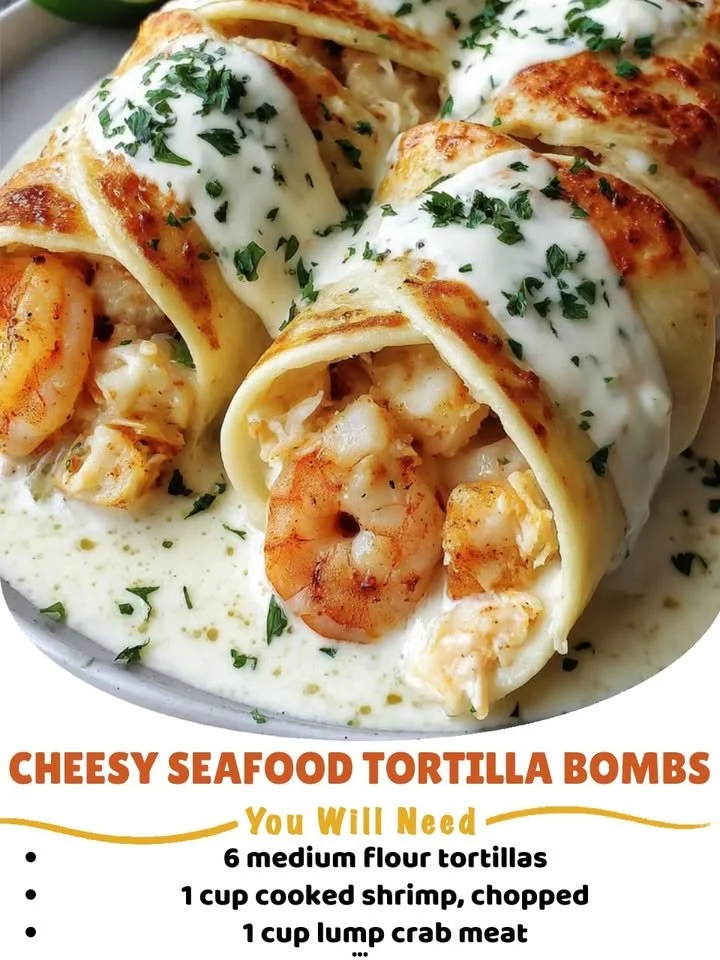
Another pitfall is not seasoning the seafood properly. Given that seafood can be mild in flavor, it’s essential to add enough seasoning. Don’t shy away from adding a pinch more taco seasoning or even some additional garlic and fresh herbs to elevate the taste.
It’s critical to remember to allow them to rest before slicing. In my eagerness, I often went straight for the warm quesadillas. However, giving them a moment allows the cheese to set, and they hold together better. Your plate will look much prettier when every slice holds its shape!
Serving Suggestions
When serving these seafood quesadillas, I love to pair them with a refreshing salsa or guacamole. The cooler, creamy elements beautifully contrast with the warm, melty quesadillas, and it’s a crowd-pleaser every time!
I also enjoy topping them with fresh cilantro and a squeeze of lime, enhancing the dish’s taste and adding a pop of color. It brings out the sweetness of the seafood and makes the flavors truly sing.
Finally, consider serving them alongside a light side salad. A crisp, citrusy salad with avocado adds a delightful crunch and pairs perfectly with the richness of the quesadillas.
Variations & Customizations
One of the great things about seafood quesadillas is their versatility! You can swap out the shrimp and fish for crab or scallops, depending on your taste and what you can find at your market. I’ve even used canned tuna once in a pinch, and while it was different, it was still delicious.
Vegetarians can easily customize these by substituting the seafood for hearty vegetables like sautéed mushrooms, spinach, or zucchini. Adding a bit of seasoned black beans can also introduce a delightful texture and flavor.
If you’re looking for a kick, try adding jalapeños or diced green chilies to the mixture. They amp up the heat, and the spiciness complements the seafood beautifully.
How to Store, Freeze & Reheat
When it comes to storing leftover seafood quesadillas, I recommend wrapping them tightly in parchment paper and then placing them in an airtight container in the fridge. They’ll stay fresh for a couple of days, but I usually try to eat them sooner because they’re just too tempting!
If you have any leftover quesadillas, you can also freeze them. I let them cool completely, then wrap them individually in plastic wrap before putting them in a freezer bag. They can be frozen for up to three months.
To reheat, I prefer using a skillet to achieve that crunchy texture again. I place them in a dry skillet over medium heat for about 4-5 minutes on each side until warmed through and crispy. You could also pop them in the oven, but I find the skillet method to be the most successful way to recapture that fresh-out-of-the-pan taste.
Conclusion
I hope you feel inspired to make these scrumptious seafood quesadillas in your kitchen soon! They’re not only a joy to cook but also a delight to share with family and friends. Each bite brings warmth and flavor, making them perfect for any gathering or cozy night in. Happy cooking!