Pro Tips for Best Results
I tested the sauce consistency three different ways, and the warm water trick is absolutely key. Cold water makes the peanut butter clump and refuse to blend smoothly. Warm water coaxes it into a silky, dreamy state. If your sauce seems too thick after tossing with the noodles, don’t panic. Just add another teaspoon or two of warm water and toss again. It’s very forgiving.
Here’s what I learned the hard way about the noodles: always undercook them just slightly from the package directions. They will continue to cook a bit in the residual heat and soften further as they sit in the sauce. If you cook them to full softness in the water, they can become mushy by the time you eat. Aim for a firm bite right in the center when you drain them.
For the absolute best flavor, let the dressed noodles sit for 10-15 minutes before serving. I know it’s tempting to dig right in (I always sneak a bite), but giving it that short rest allows the flavors to marry and penetrate the noodles deeply. It tastes exponentially better—like the difference between a just-mixed salad and one that’s been dressed for a few minutes.
Common Mistakes to Avoid
My biggest mistake the first time? I used raw, un-toasted sesame oil. The flavor was flat, one-dimensional, and honestly a bit weird. It completely lacked the warm, nutty essence that makes this dish so special. I had to remake the entire sauce. Don’t do what I did—double-check that bottle label for the word “toasted.” It’s a completely different product.
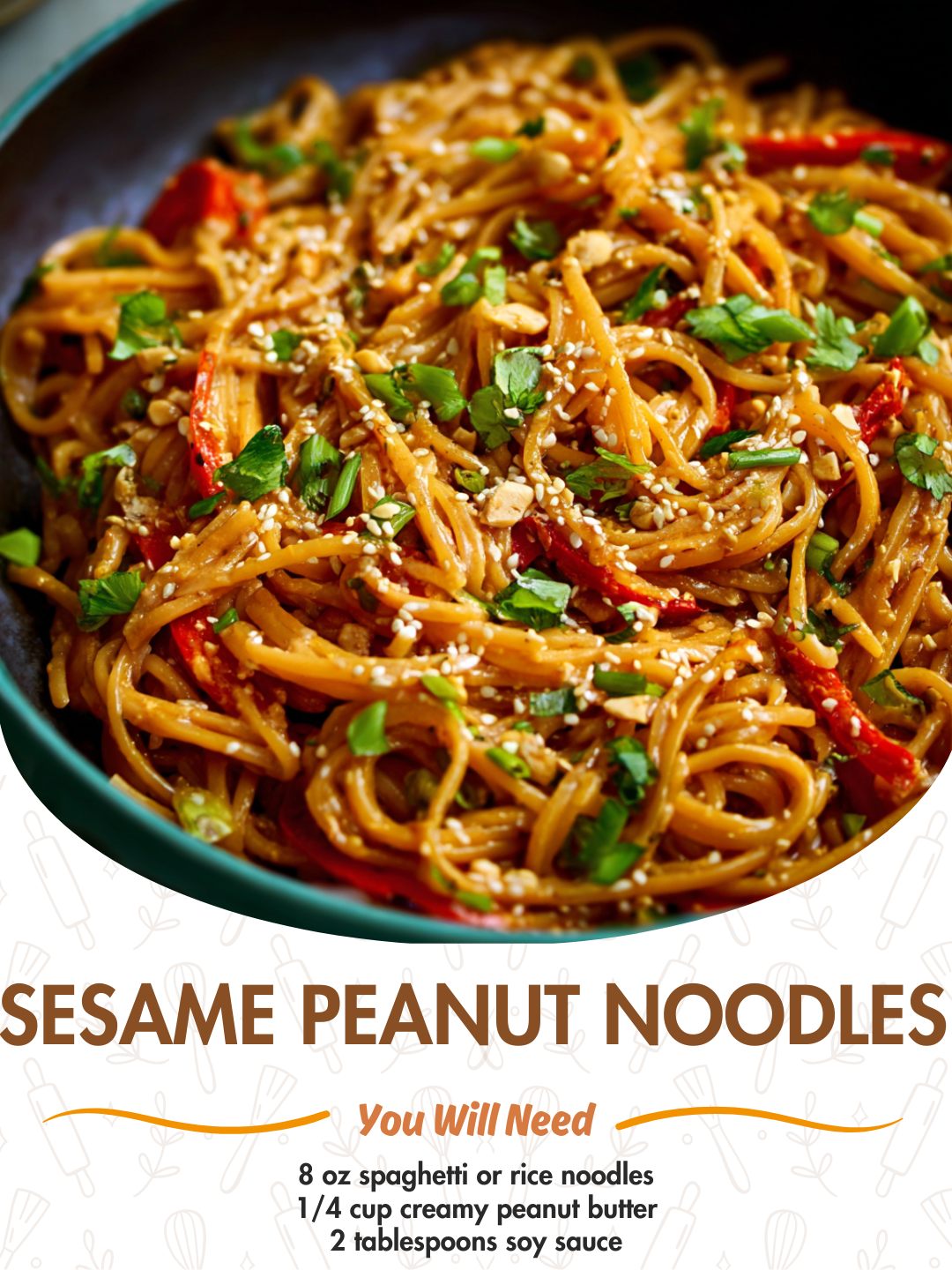
Another classic pitfall is overcomplicating the toppings. I once went wild with shredded carrots, bell peppers, and edamame, and it became more of a noodle salad. While delicious, it distracted from the simple, powerful peanut sauce. The green onions, sesame seeds, and cilantro are there for a reason: a sharp fresh bite, a nutty crunch, and an herbal lift. They complement without competing. Stick with the classics first, then customize on your next batch.
Serving Suggestions
I love serving these noodles just slightly warm or at room temperature. They’re fantastic as a main dish, but I often pair them with something simple like steamed edamame or quick-pickled cucumbers. The cool, crisp veggies are the perfect contrast to the rich, creamy noodles. It turns it into a complete, balanced meal without any extra stress.
For a heartier dinner, I’ll add a protein right on top. Shredded rotisserie chicken, pan-seared tofu cubes (pressed and crisped up in a little sesame oil), or even a few pan-fried shrimp work beautifully. Just toss your protein of choice with a little splash of the sauce before adding it to the bowl so everything is cohesive.
This dish is also my absolute favorite thing to bring to a potluck or picnic. It travels like a dream, tastes fantastic cold, and always earns rave reviews. I just pack the toppings in a separate little baggie and sprinkle them on right before serving to keep everything fresh and crunchy.
Variations & Customizations
This recipe is a wonderful canvas. If you have a peanut allergy, sunflower seed butter works surprisingly well, giving a similar creamy texture with a slightly different, but still delicious, taste. For a different nutty flavor, I’ve used almond butter in a pinch—just add an extra half tablespoon of toasted sesame oil to compensate.
Want to pack in more veggies? After draining the noodles, I sometimes quickly sauté a handful of spinach or kale in the empty pot until wilted, then toss it right in with the noodles and sauce. Thinly sliced bell peppers or shredded cabbage also add great crunch and color. I’ve tried this step both ways (raw vs. sautéed), and for greens, a quick wilt works better—it blends in seamlessly.
Craving more heat? Swirl in more sriracha, or add a teaspoon of chili crisp for an incredible layer of spicy, crunchy texture. For a vegan version, simply ensure your noodles are egg-free and use maple syrup instead of honey. I’ve made it all these ways, and the core deliciousness always shines through.
How to Store, Freeze & Reheat
From experience, these noodles store beautifully in an airtight container in the fridge for up to 4 days. The sauce will thicken and be absorbed even more. When you’re ready to eat, I have two reheating methods: For a single serving, I add a splash of water or broth and microwave in 30-second intervals, stirring in between, until just warmed through. For a larger batch, I reheat it gently in a skillet with a tablespoon or two of water, tossing constantly. This prevents the noodles from drying out or the peanut butter from separating.
I do not recommend freezing this dish. The texture of the noodles becomes unpleasantly mushy upon thawing, and the sauce can separate. It’s so quick to make fresh that it’s truly better as a make-and-eat or fridge meal-prep dish. Trust me, I tried freezing it once hoping for a future lifesaver, and I was sorely disappointed with the grainy, broken sauce I had to deal with.
Conclusion
So there you have it—my beloved Sesame Peanut Noodles, the recipe that has saved countless evenings in my kitchen. It’s more than just a list of ingredients and steps; it’s a promise of a quick, comforting, and deeply flavorful meal that never lets you down. I hope it brings as much joy and ease to your table as it has to mine. Now, go grab that toasted sesame oil and get ready for your kitchen to smell amazing. Happy cooking