Equipment Needed
- A large skillet or sauté pan (stainless steel or cast iron works great)
- A sturdy wooden spoon or spatula
- A sharp knife and cutting board
- Measuring cups and spoons
- Tongs (very handy for flipping the shrimp)
Step-by-Step Instructions
First, I pat my shrimp completely dry with paper towels. This is the golden rule for a good sear—wet shrimp will steam. I season them generously with salt, pepper, and the smoked paprika. In my large skillet, I heat the olive oil over medium-high heat until it shimmers. I add the shrimp in a single layer, and I resist the urge to move them! I let them cook for just about 90 seconds per side, until they’re pink and curled but not fully cooked through. I remove them to a plate immediately. They will finish cooking in the sauce later, and this prevents them from turning rubbery.
In the same pan, there will be all these beautiful browned bits. That’s flavor gold! I reduce the heat to medium and add the diced onion right in. I sauté until it’s soft and translucent, about 5 minutes. Then, I add the minced garlic, dried oregano, and red pepper flakes. I stir constantly for just 45 seconds to a minute—until fragrant. You have to watch the garlic like a hawk here; burnt garlic is bitter and will ruin the whole dish. The moment it’s fragrant, I move on.
Now, for the deglaze. I pour in the white wine. It will hiss and steam dramatically, and I use my wooden spoon to scrape up every last flavorful bit from the bottom of the pan. I let it simmer for 2-3 minutes until it’s reduced by about half. This cooks off the raw alcohol taste and concentrates the flavor. Then, I stir in the entire can of diced tomatoes with their juices. I bring it to a lively simmer and let it cook, stirring occasionally, for about 8-10 minutes. This allows the tomatoes to break down slightly and the sauce to thicken to a lovely, spoonable consistency.
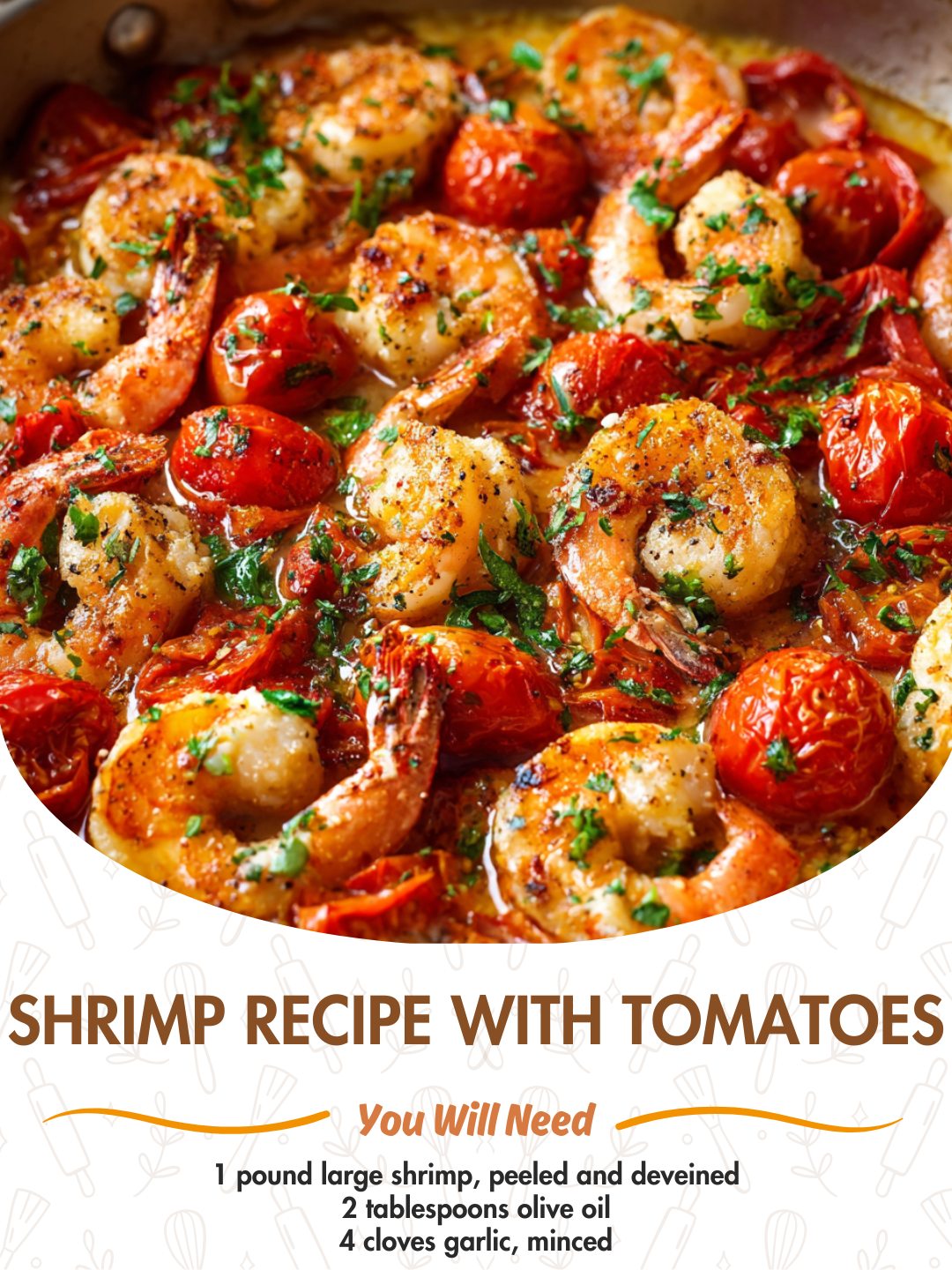
Finally, I return the par-cooked shrimp and any accumulated juices back to the skillet. I let them simmer gently in the sauce for 2-3 final minutes, just until they’re fully opaque and heated through. I take the pan off the heat completely. This is when I stir in the cold butter and most of the fresh parsley. The residual heat will melt the butter into a velvety emulsion. I give it one final taste, adjusting salt and pepper as needed. The transformation from simple ingredients to this cohesive, beautiful dish always feels a bit like magic.(See the next page below to continue…)