Pro Tips for Best Results
I’ve tested the shrimp sear three different ways: crowded in the pan, moving them constantly, and my recommended method. Crowding steams them, and moving them prevents a good crust. The single layer with minimal touching is the ticket. It creates a subtle caramelization that adds immense depth to the overall sauce. Give them that space and patience.
The simmering time for the tomato sauce is crucial. I once rushed it because I was hungry, and the sauce was too watery and raw-tasting. Letting it bubble away for a full 8-10 minutes allows the flavors to marry and the liquid to reduce just enough to coat the shrimp beautifully. It’s the difference between a soupy mixture and a proper sauce.
Never, ever add the butter over active heat. I learned this the hard way early on. If the sauce is still bubbling when you add the butter, it can separate and make the sauce greasy instead of glossy. Always pull the pan off the burner, let the furious bubbling stop, then stir in the butter. This gentle melting is what creates that restaurant-quality, clingy sauce.
Common Mistakes to Avoid
My biggest first-time mistake was overcooking the shrimp. I left them in the sauce for too long, worried they weren’t done. What I got were tough, little shrimp curlicues. Remember, shrimp cook incredibly fast. They only need those 2-3 final minutes in the simmering sauce to finish. When they turn opaque and form a loose “C” shape, they’re done. An “O” shape often means they’re overdone.
Another pitfall is not seasoning in layers. If you only add salt at the end, the dish will taste flat. Season the shrimp before searing, taste the sauce after the tomatoes have simmered, and do a final adjustment at the end. Each layer builds a more complete and complex flavor profile. Don’t be shy with the salt and pepper—tomatoes need it to truly sing.
Serving Suggestions
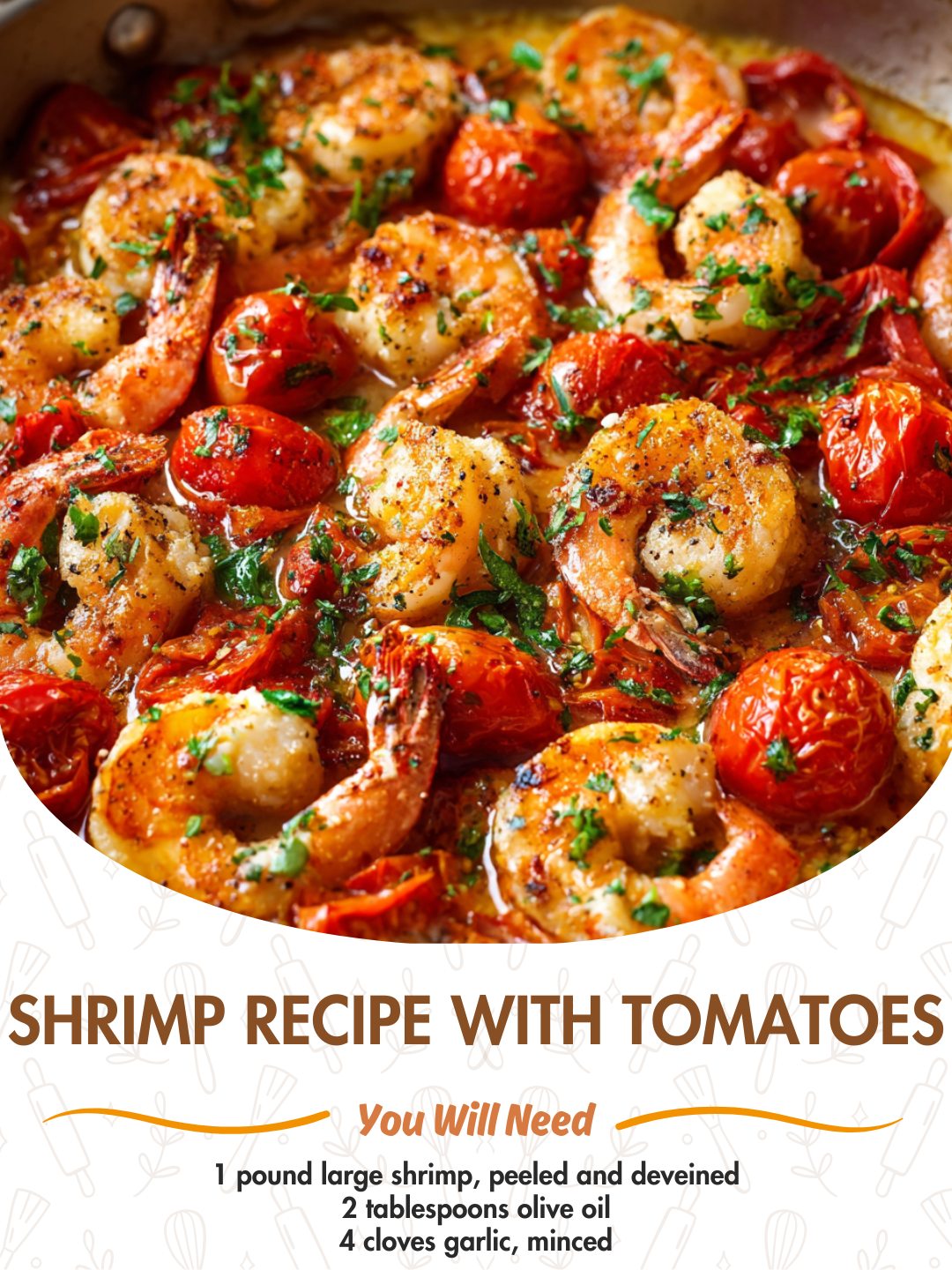
I love serving this Garlic Tomato Shrimp family-style, right in the skillet I cooked it in. It feels rustic and inviting. The absolute must-have accompaniment is a loaf of warm, crusty bread to soak up every last drop of that incredible sauce. A simple baguette or a ciabatta works perfectly. We often end up using our bread more as a utensil than anything else!
For a more complete meal, I spoon the shrimp and sauce over a bed of creamy polenta or a pile of angel hair pasta. The delicate pasta catches the sauce beautifully. If I’m keeping it light, a simple arugula salad with a lemon vinaigrette on the side provides a lovely, peppery contrast to the sweet, rich shrimp.
To round it out, a glass of the same crisp white wine you used for cooking is the perfect pairing. It cuts through the richness and complements the garlic and tomatoes. For a non-alcoholic option, sparkling water with a squeeze of lemon does the trick. This dish is so versatile, it works for a casual Tuesday or a Saturday dinner with friends.
Variations & Customizations
This recipe is a wonderful canvas. When I want a richer, deeper flavor, I swap the diced tomatoes for fire-roasted diced tomatoes. They add a subtle smokiness that’s just fantastic. I’ve also made a “Spanish-inspired” version by adding a pinch of saffron threads to the wine as it reduces and using sweet paprika instead of smoked. It’s a totally different, but equally delicious, vibe.
For a hearty, one-pan meal, I’ll add in some sliced bell peppers or zucchini with the onions, or stir in a can of drained white beans (like cannellini) during the last few minutes of simmering. The beans absorb the sauce and make the dish more substantial. Spinach or kale, stirred in right at the end until just wilted, is another great way to add greens.
Protein swaps work well, too! I’ve used this exact sauce for scallops (sear them like the shrimp) or even chunks of firm white fish like cod or halibut. Just add the fish in the final simmering stage and cook gently until it flakes easily. The core flavors of garlic, wine, and tomato are so friendly, they welcome all sorts of guests.
How to Store, Freeze & Reheat
To store leftovers, I let the dish cool completely before transferring it to an airtight container. It will keep in the refrigerator for up to 2 days. Reheating is key: do it gently. I place it in a saucepan over low heat, adding a tiny splash of water or wine to loosen the sauce, and warm it slowly until just heated through. Microwaving can often overcook the shrimp into rubbery bits, so I avoid it.
You can freeze this dish, but with a caveat. The texture of the shrimp will change slightly upon thawing, becoming a bit softer. If I do freeze it, I do so without the parsley. I store it in a freezer-safe container for up to a month. To reheat, I thaw it overnight in the fridge and then use the gentle stovetop method mentioned above, often adding a fresh handful of parsley at the end to brighten it up.
Conclusion
This Garlic Tomato Shrimp recipe is more than just a list of steps—it’s a little piece of kitchen confidence I love sharing. It’s proof that a handful of simple ingredients, treated with a bit of care, can create something truly memorable. I hope it brings as much joy, simplicity, and deliciousness to your table as it has to mine. Now, go grab that crusty bread, and get ready for some very happy faces around your dinner table. Enjoy every bite