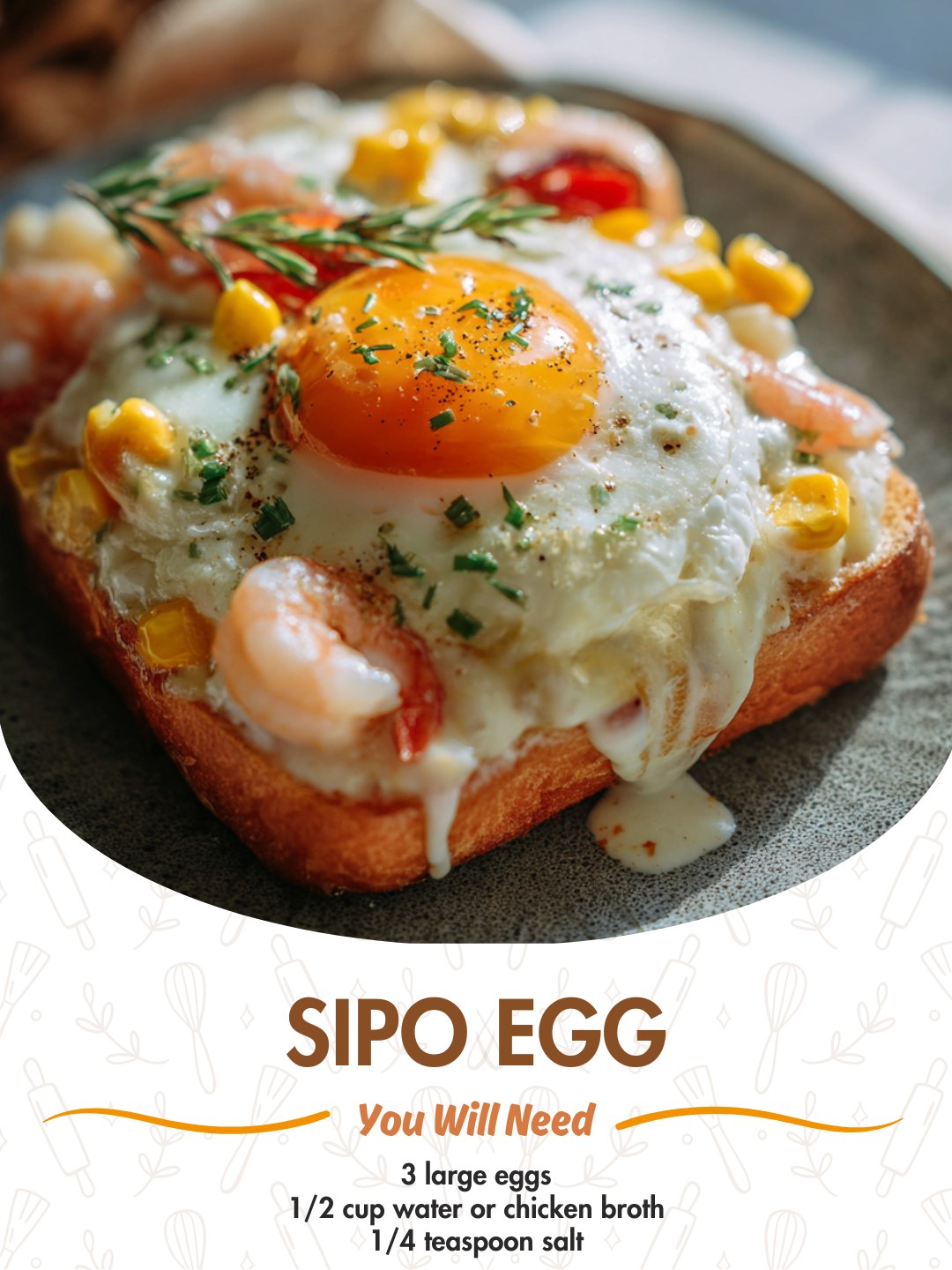
Equipment Needed
- A small mixing bowl
- A fork or whisk
- A fine-mesh sieve (this is my #1 pro-tip tool!)
- A small ramekin or heatproof bowl (about 10-12 oz capacity)
- A steamer pot or a lidded skillet/wok with a steamer rack
- Plastic wrap or a small plate that fits inside your steamer
Step-by-Step Instructions
First, I crack my three eggs into the mixing bowl. I add the salt, white pepper, and my chosen liquid—today it’s a rich homemade chicken broth. Now, here’s the crucial first step: I whisk this mixture gently but thoroughly. You don’t want to whip in a ton of air, but you need the egg whites and yolks to be completely integrated with the broth. I aim for a uniform, pale yellow liquid with no visible strands of egg white. This is where patience pays off for the final silky texture.
Next, I pour the egg mixture through my fine-mesh sieve directly into my clean ramekin. This step feels extra, but I promise you it’s the secret to that flawless, restaurant-style surface. It catches any little bits of unmixed egg white or chalaza, ensuring everything is perfectly smooth. I give the sieve a little tap and then use a spoon to skim off any tiny bubbles that made it through. This obsession with bubbles is real—I learned the hard way that bubbles on the surface before steaming lead to little holes in the finished egg.
Then, I prepare my steamer. I bring an inch or two of water to a vigorous boil in my pot. While it heats, I cover the top of my ramekin tightly with plastic wrap. Some people use a small plate inverted on top, which also works, but I find the plastic wrap creates a better seal to keep condensation from dripping directly onto the egg surface. I place the ramekin in the steamer, reduce the heat to medium-low for a gentle, steady steam, cover the pot, and set my timer for 10 minutes.
After 10 minutes, I turn off the heat but do not lift the lid yet. This is another lesson from a slightly underdone batch. I let it sit, covered and residual-heating, for a full 5 more minutes. This carryover cooking finishes it perfectly without overcooking. When I finally uncover it, I’m greeted by that gorgeous, jiggly, uniform surface. I carefully remove the plastic wrap, drizzle with sesame oil and a few drops of soy sauce, and scatter those green onions on top. The contrast of the dark oils and bright green on the pale yellow egg is just beautiful.(See the next page below to continue…)