Pro Tips for Best Results
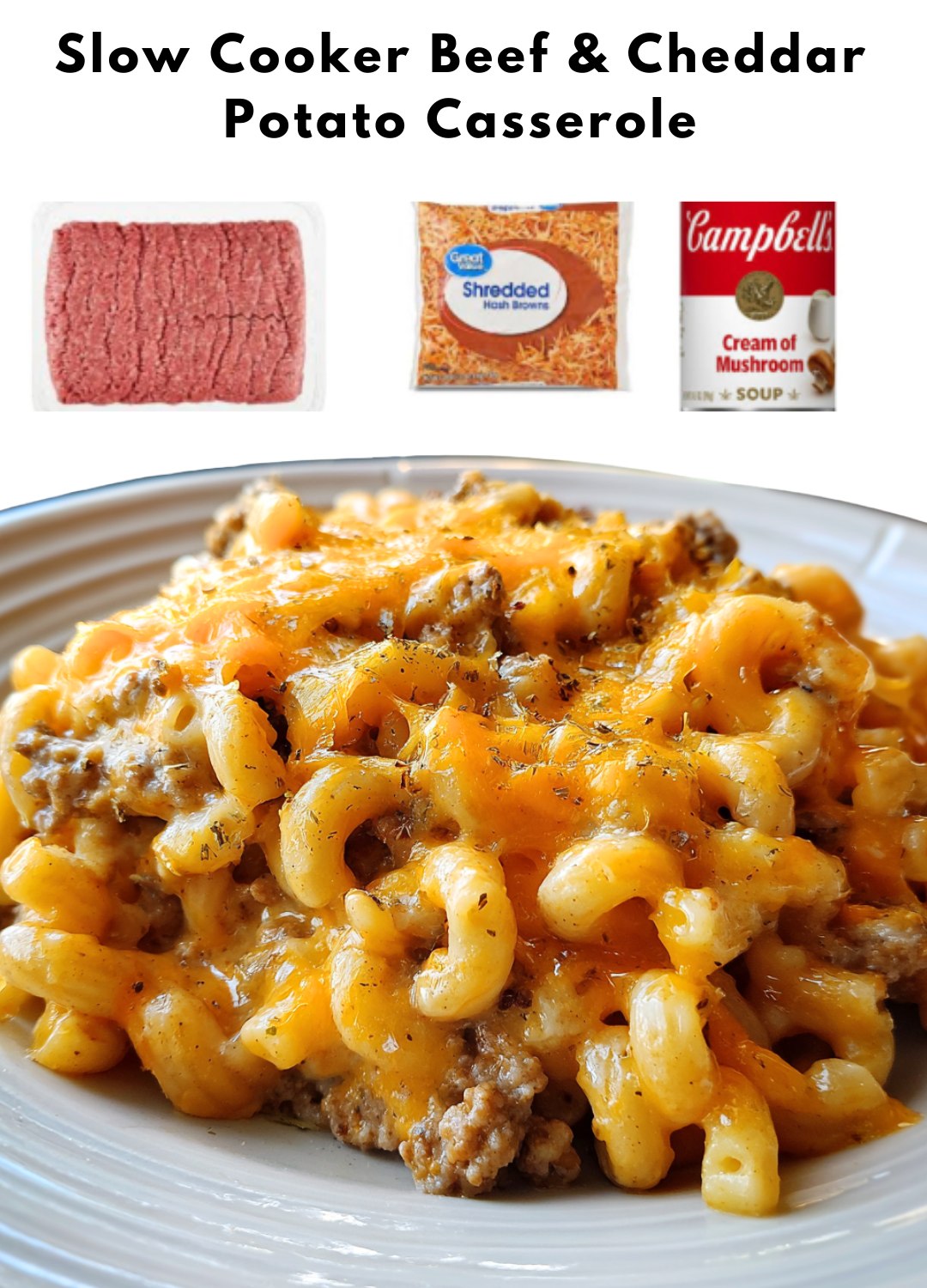
Letting the frozen hash browns stay frozen is key. I tested this with thawed potatoes once, and the casserole turned out mushy and watery. The frozen shreds hold their structure better and absorb the sauce at the perfect rate, giving you that ideal tender-yet-defined potato texture. Trust me on this one.
Don’t underestimate the power of the pre-cook brown. I know some slow cooker recipes say you can dump raw beef in, but I’ve tried this three different ways. Browning the beef first with the onions and garlic isn’t just about food safety; it caramelizes the meat and develops a rich, savory flavor that you simply cannot get from grey, steamed beef. It’s an extra pan to wash, but it makes a monumental difference.
The finishing touch of fresh herbs is optional but highly recommended. When I first made this, I served it plain. The next time, I had some chives about to wilt in the fridge and sprinkled them on top. Wow! That little pop of fresh, green flavor and color cut through the richness beautifully and made the whole dish look and taste restaurant-worthy. A little parsley works great, too.
Common Mistakes to Avoid
The biggest mistake I made the first time was using raw ground beef straight in the slow cooker. Don’t do what I did! Not only does it create a greasy, unappealing texture as the fat renders into the sauce, but it also leaves a bland, boiled-meat flavor. Taking those ten minutes to properly brown and season the beef in a skillet is the single most important step for flavor. It transforms the dish from “good” to “can’t-stop-eating-it” good.
Another pitfall is over-stirring or checking too often. I get it—you want to see how it’s doing. But every time you lift that lid, you release a massive amount of heat and steam, which can significantly increase the cooking time. I set a timer and resist the urge to peek until the very end when I add the final cheese. Patience is rewarded with perfectly cooked potatoes and a beautifully set casserole.
Serving Suggestions
I like serving this casserole straight from the slow cooker, garnished with those fresh chives, for a rustic, family-style presentation. It’s so rich and complete on its own that you really don’t need much alongside it. My absolute favorite pairing is a simple, crisp green salad with a tangy vinaigrette. The freshness and acidity of the salad are the perfect counterbalance to the hearty, cheesy casserole.
For nights when we want a full comfort-food spread, I’ll add some steamed green beans or roasted broccoli. The bright, vegetal notes are a welcome contrast. And if I’m feeling extra indulgent, a side of warm, buttery dinner rolls is non-negotiable for soaking up every last bit of that creamy sauce left on the plate.
When serving a crowd, I keep the sides simple. This casserole is the undeniable star of the show. I’ll offer the salad, a basket of rolls, and maybe some pickles or a tangy coleslaw for a bit of crunch. It’s a guaranteed hit at potlucks—just remember to bring the recipe card because you will be asked for it.
Variations & Customizations
This recipe is wonderfully adaptable. If you’re not a mushroom fan, you can easily swap the cream of mushroom soup for cream of celery or cream of onion. I’ve even used a can of condensed cheddar cheese soup for an ultra-cheesy version, and it was divine—just reduce the shredded cheddar slightly to account for the extra richness. For a little kick, I’ve stirred a drained can of diced green chilies into the beef layer, which adds a subtle warmth that my family loved.
You can also play with the protein. Ground turkey or chicken work beautifully here, though I’d add an extra tablespoon of butter or olive oil to the skillet since they’re leaner. For a “kitchen sink” version, I’ve added a cup of frozen mixed vegetables (like peas and carrots) between the layers. They cook perfectly in the steam and add color and nutrients, making it a true one-pot meal.
Cheese lovers, this is your canvas. While sharp cheddar is my go-to for its flavor, a Monterey Jack blend makes it extra melty, and a sprinkle of grated Parmesan on top adds a wonderful salty, nutty crust. I’ve also seen a friend make a “taco” version by using taco seasoning in the beef and topping it with Monterey Jack, diced tomatoes, and avocado after cooking. The possibilities are endless.
How to Store, Freeze & Reheat
Leftovers store beautifully, which is great because the flavors meld even more overnight. I let the casserole cool completely, then transfer portions to airtight containers. They’ll keep in the refrigerator for 3-4 days. To reheat, I prefer the oven or toaster oven. I place a portion in an oven-safe dish, add a tiny splash of milk to keep it moist, cover with foil, and bake at 350°F until heated through. The microwave works in a pinch but can make the potatoes a bit rubbery.
This casserole freezes exceptionally well for future easy dinners. I portion it into individual servings or family-sized blocks in freezer-safe containers or heavy-duty zip-top bags. It will keep for up to 3 months. To reheat from frozen, I thaw it overnight in the fridge first, then use the oven method above. If you’re in a hurry, you can reheat from frozen, but you’ll need to cover it and bake it low and slow (around 300°F), adding extra time and checking it periodically.
Conclusion
This Slow Cooker Beef & Cheddar Potato Casserole has earned a permanent spot in my recipe rotation. It’s the epitome of easy, reliable comfort food—the kind that fills your belly and warms your soul with minimal effort. I hope it brings as much joy and deliciousness to your table as it has to mine. Give it a try this week, and don’t forget to let me know how it turns out in your kitchen