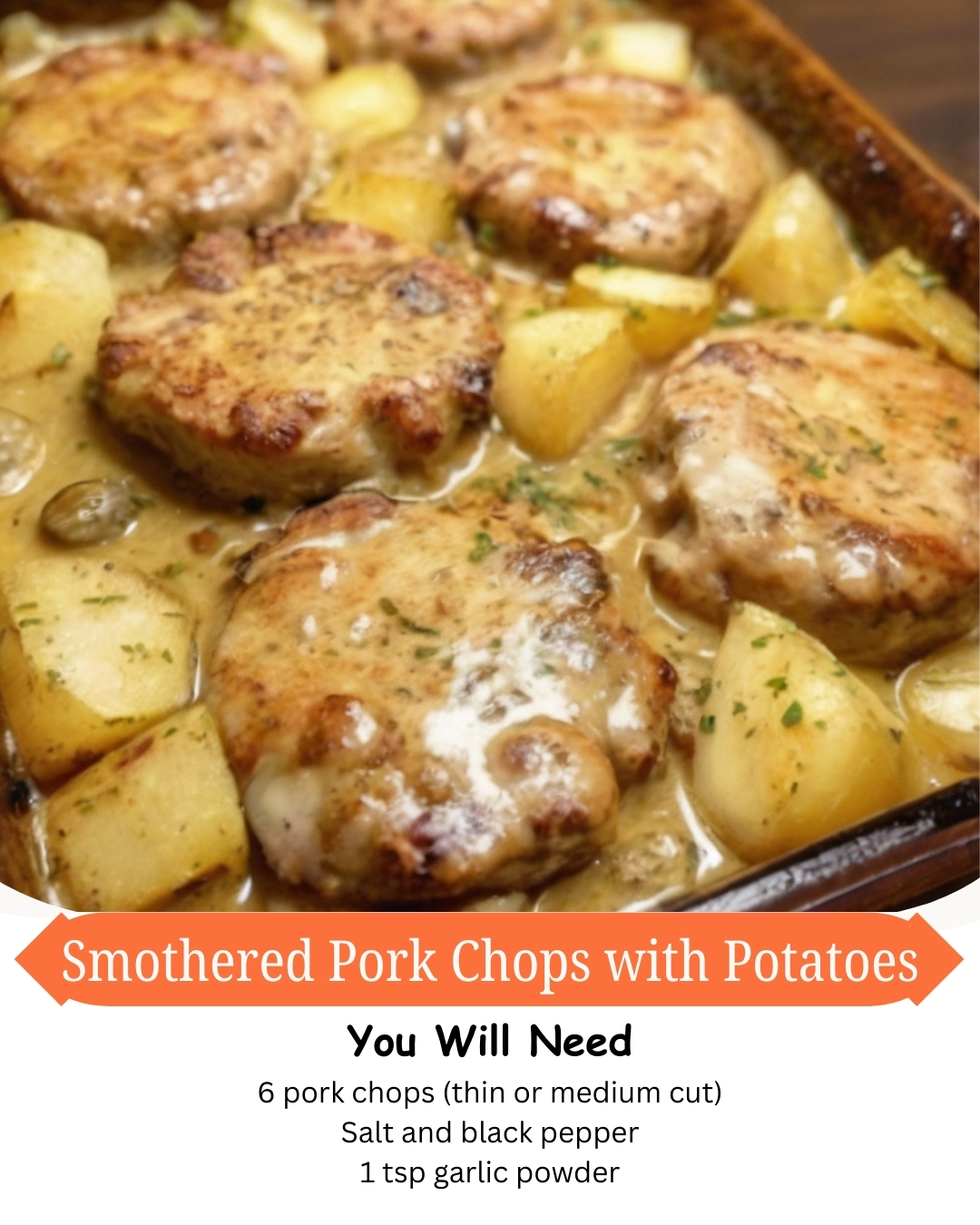
Slowly pour in your broth and Worcestershire sauce, whisking continuously to avoid lumps. Bring it to a gentle simmer—it will thicken beautifully. Nestle your seared pork chops and all their juices back into the pan, then scatter the potato chunks around them. Sprinkle with thyme, cover, and reduce the heat to low. Let it bubble gently for 25-30 minutes. In the last 5 minutes, I sometimes stir in a splash of cream for extra luxury. The potatoes should be fork-tender, and the chops will be melt-in-your-mouth perfect.
Pro Tips for Best Results
The single biggest lesson I learned from testing this three times in one week? Season in layers. Season the raw chops well, but also taste your gravy before adding the chops back in. It might need another pinch of salt. That layered seasoning ensures every component, from meat to potato to gravy, is perfectly flavored. Also, letting the seared chops rest on the plate while you build the gravy is key. It allows the juices to redistribute so they stay incredibly tender during the braise.
Timing the potatoes is everything. If you cut them too small, they’ll turn to mush in the 30-minute braise. Too big, and they’ll be undercooked. I’ve found the sweet spot is hearty 1-inch chunks. They soak up the gravy while still holding their shape. And if you’re worried about the potatoes cooking through, you can give them a 5-minute head start by adding them to the gravy before the chops, but I find nesting them together works just fine.
Finally, trust the process of cooking the flour. When you stir it into the onions and fat, you’re making a roux. Let it cook until it smells nutty and looks lightly caramel-colored. This removes the pasty flavor and gives your gravy a rich, toasty foundation. If you add the liquid too soon, your gravy will taste bland and floury. I learned this the hard way on my first attempt, and the difference is night and day.
Common Mistakes to Avoid
The first time I made this, I was in a hurry and didn’t pat my pork chops dry. Instead of a satisfying sizzle and sear, they kind of wept in the pan and never got any color. That beautiful browning is flavor, so please take the ten seconds to dry them off. It’s the simplest step with the biggest payoff. Also, rushing the onions is a tragedy. If you crank the heat to speed it up, they’ll burn the fond on the bottom of your pan before they soften, giving your gravy a bitter edge.
Another classic mistake is adding cold broth to your hot roux. It shocks the mixture and can make the flour seize up into little lumps that are hard to whisk out. I take my broth out of the fridge about 20 minutes before I start cooking, or I gently warm it in the microwave. Pouring it in slowly while whisking constantly is your best defense against lumpy gravy. Don’t do what I did and just dump it all in at once!
Serving Suggestions
I love serving this dish family-style, right from the skillet in the center of the table. The sight of those tender chops and potatoes in that glossy gravy is part of the experience. Because the dish is so rich and hearty, I always pair it with something simple and fresh to cut through it. A crisp, bright green salad with a sharp vinaigrette or some steamed green beans with a squeeze of lemon are my absolute go-tos. It provides the perfect textural and flavor contrast.(See the next page below to continue…)