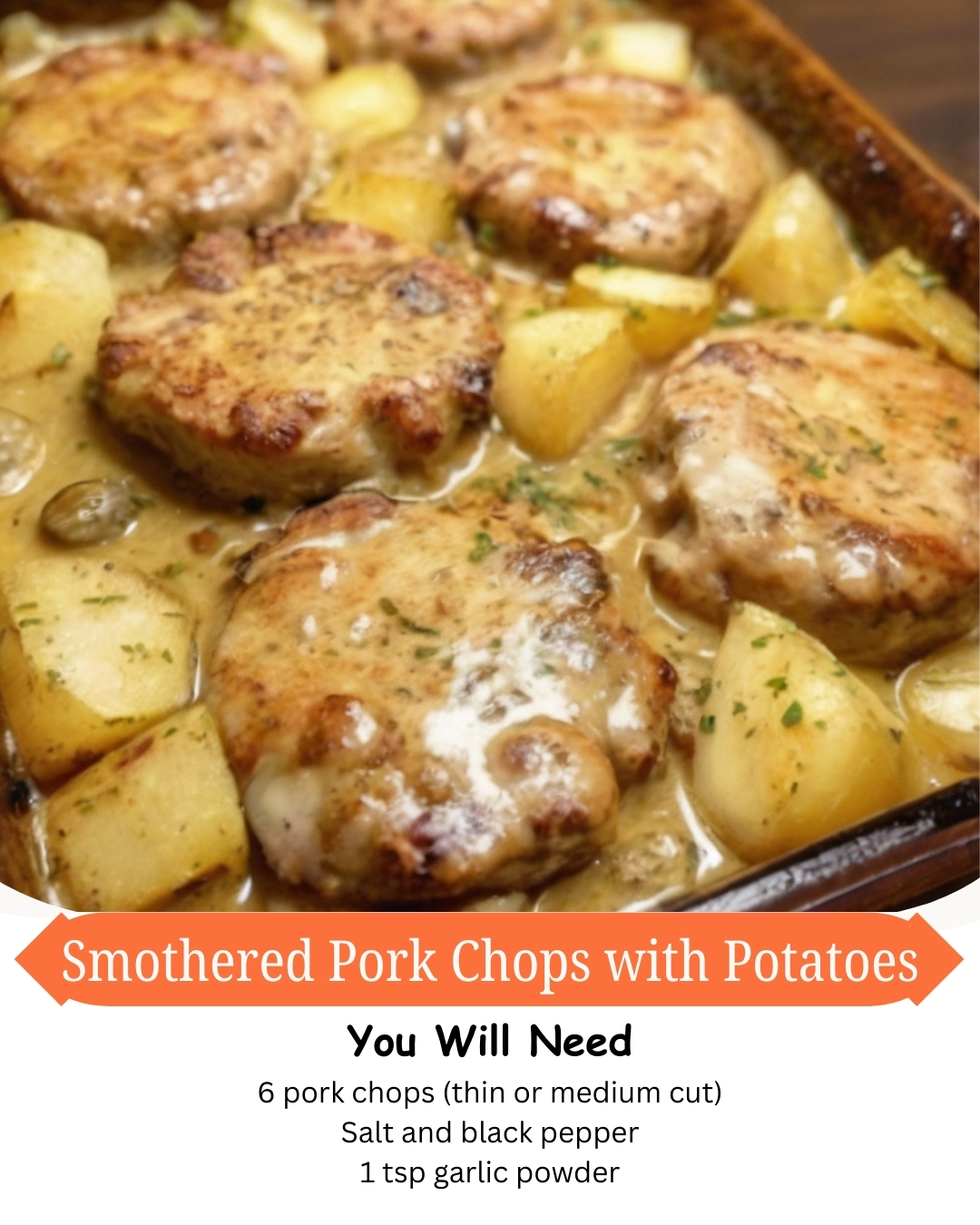
Don’t forget the bread! A slice of crusty baguette or a fluffy dinner roll is essential for sopping up every last drop of that incredible gravy. In my house, the person who gets to swipe the last piece of bread through the skillet is the winner of the evening. It’s a complete, satisfying meal that needs little else, though a glass of bold red wine or a cold cider pairs wonderfully with the savory flavors.
Variations & Customizations
This recipe is wonderfully adaptable. If you don’t eat pork, try it with bone-in, skin-on chicken thighs. They braise just as beautifully and create a fantastic gravy. For a different vegetable, swap the potatoes for thick slices of carrot and celery added with the onions, or stir in a handful of mushrooms when you add the garlic. They’ll add an earthy depth that’s just divine.
If you love a bit of heat, a pinch of red pepper flakes in with the garlic or a dash of hot sauce stirred into the broth is fantastic. I’ve also made a “smothered” version with apple cider instead of some of the broth, adding sliced apples with the onions for a sweet and savory autumn twist. Feel free to play with herbs, too—rosemary or sage can be a lovely substitute for thyme.
How to Store, Freeze & Reheat
Leftovers, if you’re lucky enough to have any, taste even better the next day. Let the dish cool completely, then store it in an airtight container in the refrigerator for up to 3 days. The gravy will continue to soak into the meat and potatoes, making them even more flavorful. To reheat, I do it gently on the stovetop over low heat with a splash of broth or water to loosen the gravy, stirring occasionally. The microwave can work in a pinch, but it may overcook the meat.
You can absolutely freeze this for up to 2 months. I freeze it in portion-sized containers. Thaw it overnight in the refrigerator before reheating. A note from experience: the texture of the potatoes can become a little softer after freezing and reheating, but the flavor is still outstanding. If you know you want to freeze it, you can slightly undercook the potatoes during the initial braise so they hold up better later.
FAQ Section
Can I use boneless pork chops?
You can, but I highly recommend bone-in chops if you can find them. The bone adds an incredible amount of flavor to the gravy as it braises, and it helps the meat stay juicier. If you use boneless, just reduce the braising time by about 5-7 minutes to prevent them from overcooking and becoming dry.
My gravy is too thin. How can I thicken it?
No worries, this happens! First, make sure you’ve simmered it uncovered for a few extra minutes to reduce. If it’s still too thin, mix 1 tablespoon of softened butter with 1 tablespoon of flour into a paste (a beurre manié). Whisk small bits of this paste into the simmering gravy until it reaches your desired consistency. Let it cook for another minute or two.
Can I make this in a slow cooker?
Yes, but for best flavor, I still sear the chops and sauté the onions on the stove first. Then, transfer everything to the slow cooker and cook on low for 6-7 hours or high for 3-4 hours. The texture will be very tender, but you might miss some of the depth that the stovetop braising method gives.
Conclusion
This Smothered Pork Chops with Potatoes recipe has become a cornerstone of my comfort food repertoire. It’s more than just a meal; it’s a slow, satisfying process that results in something truly special to share. I hope you give it a try and that it fills your kitchen with the same amazing smells and your table with the same happy silence of people enjoying a great dinner. Trust the process, savor the results, and don’t forget the bread for that gravy. Happy cooking