Step-by-Step Instructions
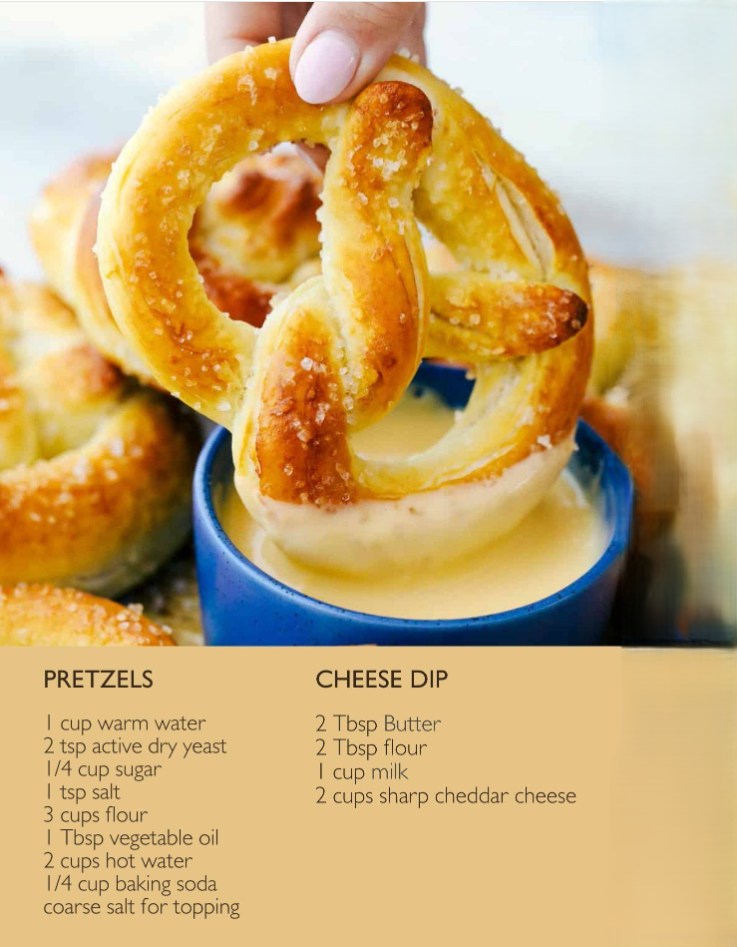
First, we wake up the yeast. In your mixer’s bowl, I combine the warm water, sugar, and yeast, giving it a quick whisk. Watching it get foamy after about 5 minutes is my favorite sign that we’re on the right track. Then, I add the salt and flour, and mix on low until a shaggy dough forms. I drizzle in the oil, then let the mixer knead it for 4-5 minutes until it’s smooth and just slightly tacky. If it’s sticking to the bowl, I add a single tablespoon of flour at a time. When it’s ready, I place it in an oiled bowl, cover it with that clean kitchen towel, and let it rest in a warm spot. This is where patience is key—let it double in size, which for me usually takes about an hour.
While the dough rests, I prep my station. I line my baking sheets, get my coarse salt ready, and preheat the oven to a hot 450°F. Then, I make the infamous baking soda bath. In a wide, deep pot (not aluminum, as baking soda can react with it), I bring the 2 cups of water to a simmer and carefully whisk in the baking soda—it will fizz up! I let it simmer gently. When the dough is ready, I punch it down and divide it into 8 equal pieces on a lightly floured surface. I roll each piece into a long rope, about 20 inches, then form the classic pretzel shape. This takes practice! My first ones looked a bit abstract, but they tasted perfect.
Now, the transformative dip. Working with 2-3 pretzels at a time, I gently lower each one into the simmering baking soda bath for exactly 30 seconds per side. They’ll puff up slightly and look wrinkled—that’s perfect. Using my slotted spoon, I lift them out, let the excess water drip off, and place them on the baking sheet. I immediately sprinkle them generously with coarse salt before the surface dries. Then, straight into the oven for 12-14 minutes until they are a deep, glorious mahogany brown. That color is your trophy.
Pro Tips for Best Results
The temperature of your ingredients matters more than you think. I tested this with cold kitchen water once, and my yeast took forever to activate. Your warm water should feel like a pleasant bath temperature—if it’s too hot to keep your finger in comfortably, it’s too hot for the yeast. A simple kitchen thermometer takes the guesswork out and is worth using here. Also, when proofing the dough, I find the turned-off oven with the light on creates the perfect cozy, draft-free environment.
Shaping the pretzels can feel awkward at first. Here’s what I learned: don’t roll the ropes from the center out. Instead, place your hands in the middle of the dough rope and roll back and forth, moving your hands outward to the ends as you roll. This creates a more even thickness without tapering ends. If the dough keeps snapping back, just let it rest for 5 minutes—the gluten is too tense. When forming the twist, think of it as making a “U,” then crossing the ends over each other twice before pressing them down onto the bottom curve.
That baking soda bath is non-negotiable, but how you handle it is key. Simmer, don’t boil it vigorously. A gentle simmer is enough to set the crust without aggressively cooking the dough. And be diligent with the 30-second timer for each side. I’ve gone longer, curious if it would make them chewier, and it just made the exterior too tough. The brief dip is the alchemy you need.
(See the next page below to continue…)