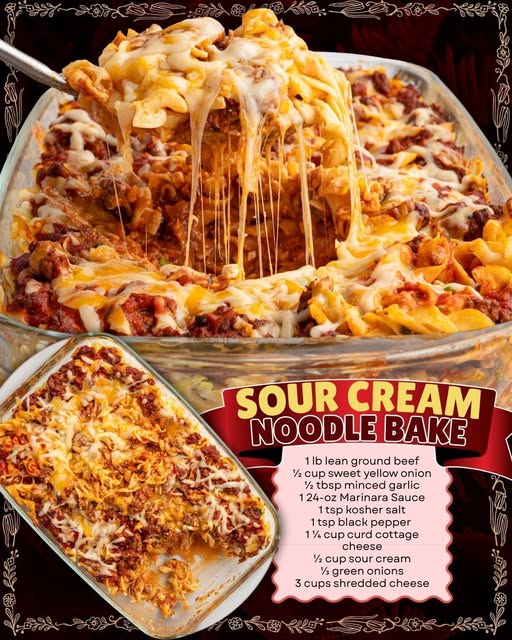
Pro Tips for Best Results
Let’s talk about the noodles. I’ve tested this three different ways: undercooking, overcooking, and al dente. Al dente is absolutely the way to go. They will absorb some of the sauce and moisture in the oven, so if you start with mushy noodles, you’ll end up with a texture that’s a bit too soft. Draining them well is also crucial—you don’t want extra water watering down your casserole.
Here’s what I learned the hard way about the cheese: shred your own if you can. The pre-shredded bags have anti-caking agents that prevent them from melting as smoothly and beautifully as a block you shred yourself. The difference in that silky, stretchy cheese pull is night and day. If you’re in a pinch, pre-shredded works, but for a special treat, take the extra two minutes with a box grater.
Don’t rush the bake! I know it’s tempting to crank the heat to get it on the table faster, but a steady 350°F allows everything to heat through evenly without burning the cheese. The perfect cue for doneness isn’t just melted cheese, but seeing active, lazy bubbles creeping up around the sides of the dish. That’s how you know the heart of the casserole is piping hot.
Common Mistakes to Avoid
The first time I made this, I was in a hurry and didn’t drain the ground beef well enough after browning. Big mistake. That extra fat made the final dish feel a bit slick and separated. Now, I’m meticulous about tipping the skillet and spooning out that grease, or even using a paper towel to blot the beef. It’s a simple step, but it elevates the dish from “good” to “can’t-stop-eating-it” good.
Another common pitfall is skipping the simmer time for the meat sauce. If you just mix the marinara into the beef and immediately assemble, the flavors won’t have a chance to deepen. That 10-minute simmer on low heat is non-negotiable in my book. It transforms the sauce from something jarred into something that tastes like you simmered it all afternoon. Don’t do what I did and try to cut this corner.
Serving Suggestions
I like serving this bake straight from the oven, letting it rest for about 5-10 minutes before digging in. This rest time lets everything set just a bit, so you get cleaner slices. A simple, bright green salad with a sharp vinaigrette is my go-to side. The crisp, acidic greens cut through the richness of the casserole perfectly and make the whole meal feel balanced.
For something a bit heartier, I’ll often roast some broccoli or green beans with olive oil, salt, and garlic while the bake is in the oven. The caramelized edges of the veggies are a fantastic textural contrast to the creamy noodles. A crusty piece of garlic bread is also never a wrong answer for mopping up every last bit of sauce.
When it comes to leftovers, I love this dish just as much cold for lunch the next day as I do hot for dinner. The flavors have even more time to meld in the fridge. If I’m feeling fancy, I’ll scoop a portion into a skillet and reheat it with a little extra sprinkle of cheese on top for a crispy-bottom personal casserole.
Variations & Customizations
This recipe is a wonderful canvas. If you’re not a beef person, ground turkey or Italian sausage work fantastically well. I’ve used hot Italian sausage before, and the bit of spice it adds is incredible. For a vegetarian version, I’ve swapped the meat for a mixture of sautéed mushrooms and lentils. You get that same hearty, meaty texture without the meat.
The creamy layer is also customizable. I’ve swapped the green onions for a tablespoon of fresh chopped dill or chives, which adds a lovely herbaceous note. If you’re out of sour cream, full-fat plain Greek yogurt is a great substitute in a pinch. For the cheese on top, play around! A smoked gouda or pepper jack can add a whole new dimension of flavor.
You can also sneak in extra veggies. I’ve stirred a handful of fresh spinach into the hot meat sauce to let it wilt, or added finely diced bell peppers and zucchini to the skillet when I’m browning the onion. This bake is forgiving and welcomes those additions, making it an easy way to get more nutrients into a comforting meal.
How to Store, Freeze & Reheat
To store leftovers, I let the bake cool completely, then cover the baking dish tightly with foil or transfer portions to airtight containers. It keeps beautifully in the refrigerator for 3-4 days. When reheating, I find the oven or toaster oven (at 350°F until warmed through) works much better than the microwave for maintaining the best texture, though the microwave is fine in a time crunch.
This casserole freezes like a dream, which is why I often make a double batch. I assemble it completely in a freezer-safe dish but do not bake it. I wrap it tightly in a layer of plastic wrap and then a layer of heavy-duty foil. It can be frozen for up to 3 months. To cook, I thaw it overnight in the fridge and then bake as directed, adding maybe 10-15 extra minutes since it’s starting cold. You can also bake from frozen, covered with foil, at 350°F for about 90 minutes, uncovering for the last 20.
Conclusion
This Sour Cream Noodle Bake is more than just a recipe to me; it’s my go-to for potlucks, hectic evenings, and anytime I need a guaranteed crowd-pleaser. It’s humble, hearty, and packed with the kind of comfort that makes everyone ask for seconds. I hope it finds a spot in your recipe rotation and brings as much joy to your table as it has to mine. Now, go preheat that oven—your new favorite dinner is waiting.