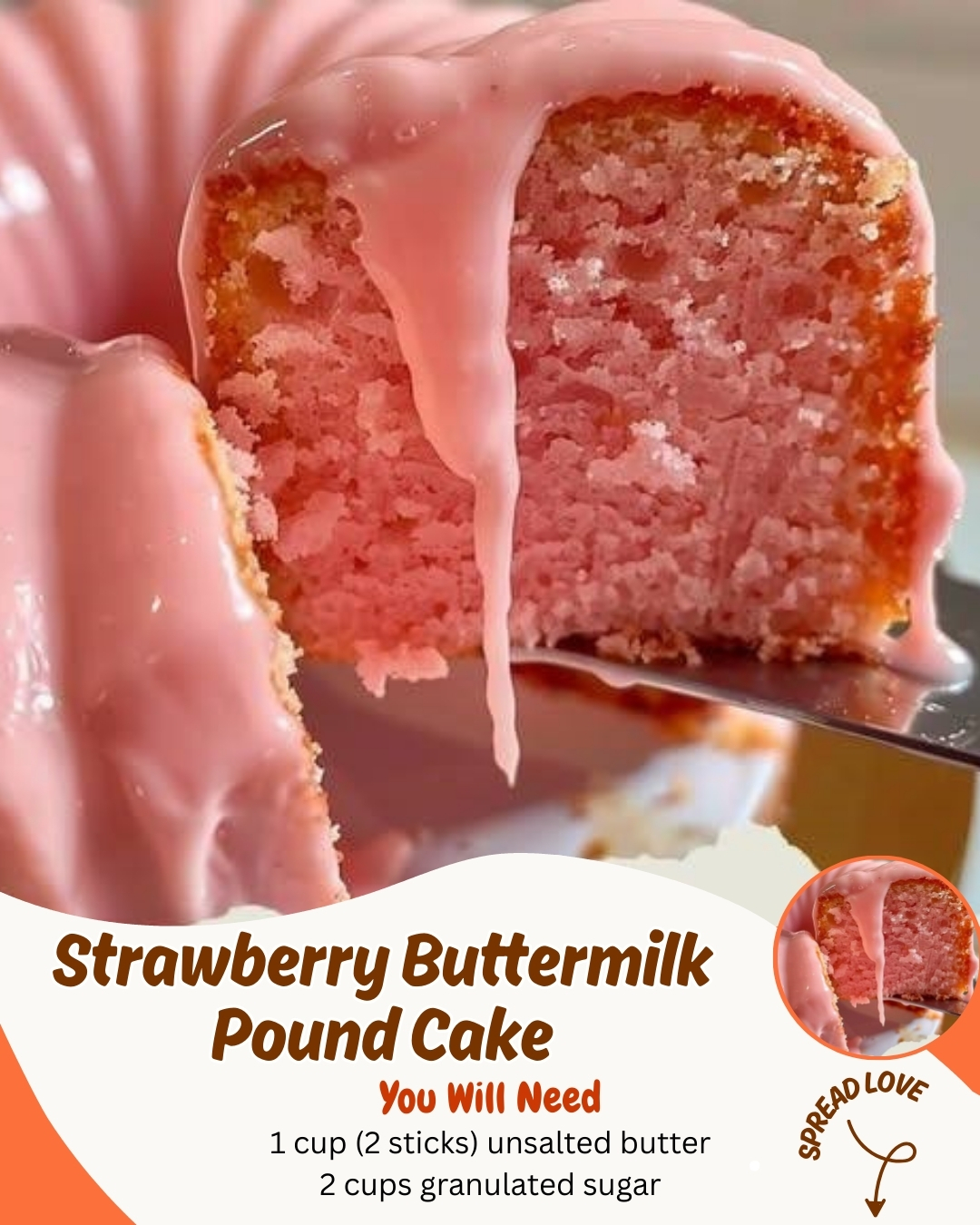
I preheat my oven to 325°F (not 350°F—the lower temp ensures even baking without over-browning). While it heats, I spoon the thick batter into my meticulously prepared Bundt pan, smoothing the top. Then, it goes into the oven for 70-90 minutes. I don’t even peek for the first hour. The true test is a long skewer inserted near the center; it should come out clean, maybe with a melted strawberry smudge, but no wet batter. The top will be a deep, golden brown. Let it cool in the pan on a rack for 25 minutes—no less!—before inverting. The wait is torture with that smell in the air, but turning it out too soon is a disaster I’ve endured.
Pro Tips for Best Results
My number one tip is all about patience. Letting every component—butter, eggs, buttermilk—truly come to room temperature changed my baking game. Cold ingredients don’t emulsify properly, and you’ll end up with a batter that looks broken and bakes up denser. I take everything out about 2 hours before I start. Secondly, when you fold in the strawberries, toss them in a tablespoon of the measured flour first. This little trick, which I picked up after a few sink-to-the-bottom berry incidents, helps suspend them throughout the batter so you get juicy bits in every single slice.
I also swear by the “spoon and level” method for flour. Scooping directly from the bag packs in too much, leading to a dry cake. I use a spoon to fluff the flour in its container, spoon it into my measuring cup, and level it off with a knife. It’s a small step, but it guarantees the perfect texture. Finally, trust the lower baking temperature and the longer time. I’ve tried rushing it at 350°F, and the outside was almost burnt before the center set. The slow, low bake gives you that coveted crackly, crisp crust and a melt-in-your-mouth interior.
Common Mistakes to Avoid
The first time I made this, I was over-eager and inverted the cake after only 10 minutes of cooling. It was a heartbreaking, crumbly mess—half the cake stuck gloriously to the pan. Letting it rest for a full 25 minutes allows the structure to set, so it releases cleanly. Now I set a timer and walk away. Another classic error is overmixing once the flour is added. As soon as you see the last streak of flour disappear, stop. Continuing to mix develops the gluten and makes the cake tough rather than tender.
Also, resist the urge to keep opening the oven door! I know it’s tempting to check for doneness or just to smell it, but every peek causes a temperature drop that can lead to uneven rising or a sunken middle. Use the oven light and only do the skewer test towards the very end of the baking window. And please, don’t substitute margarine or oil for the butter. The butter is where the flavor and structure live. I tried it once thinking I’d save a few calories, and the result was bland and lacking that essential rich, pound cake soul.
Serving Suggestions
I love serving this cake slightly warm, just as it is. A simple dusting of powdered sugar makes it look like a winter wonderland and adds a touch of extra sweetness. But my absolute favorite way is with a dollop of freshly whipped cream and a few macerated strawberries on the side. The cream melts into the warm cake just slightly, and the bright strawberry syrup from the macerated berries cuts through the richness perfectly.(See the next page below to continue…)