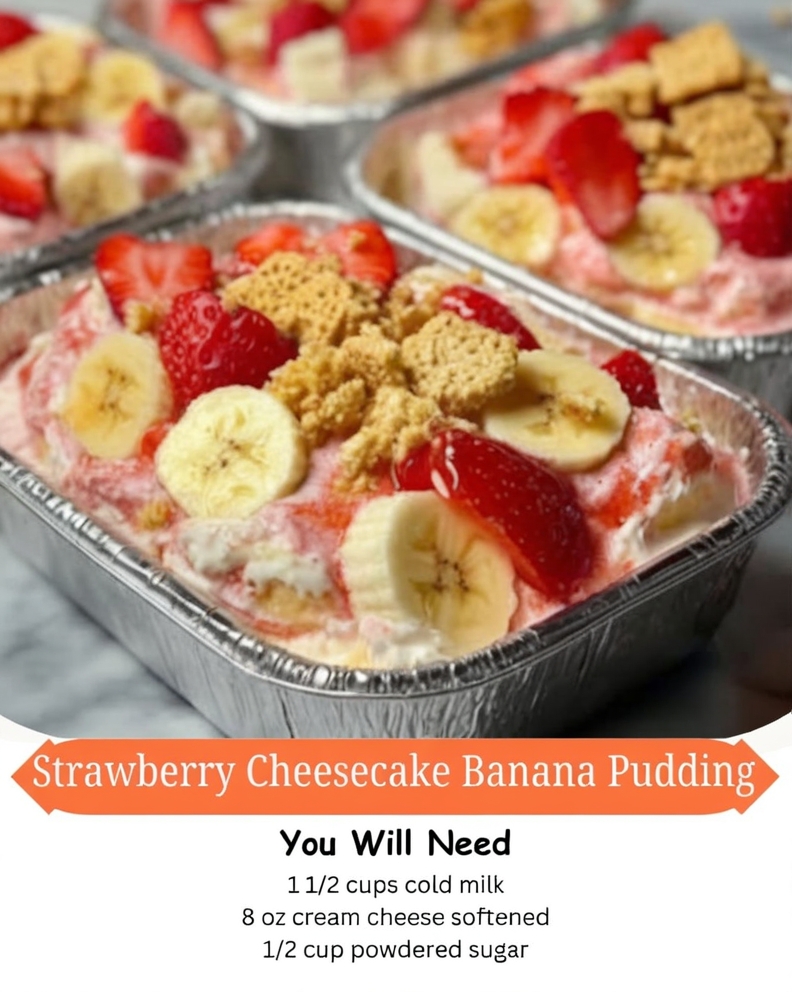
Time to build! In your dish, spread a thin layer of the cheesecake mixture on the bottom—this prevents the wafers from sliding. Then, layer vanilla wafers, followed by banana slices and strawberry slices. Dollop and spread half of the cheesecake mixture over the fruit, then half of the pudding mixture. Repeat the layers once more, ending with pudding. I press some extra wafers and a few strawberry slices into the top for a gorgeous finish. The hardest part? Waiting. You must cover it and refrigerate for at least 4 hours, but overnight is truly best. The wafers soften into the most perfect cake-like layer that soaks up all the flavors.
Pro Tips for Best Results
My number one tip is all about timing. I cannot stress enough how crucial the “overnight rest” is. The first time I made this, I was impatient and served it after just two hours. The wafers were still a bit crunchy, and the flavors hadn’t yet married into that iconic “banana pudding” harmony. When I made it the night before for a party, the difference was astounding. Every component melded into a creamy, cohesive, heavenly dessert. It’s a make-ahead dream.
For the most beautiful slices of strawberry, use the tip of your knife to hull them. Just insert it at an angle around the green stem, twist, and pop it out. It wastes less fruit than slicing off the entire top. When slicing the bananas, I do it right over the assembled layer so any drips go right into the dessert. A little toss in a teaspoon of lemon juice can prevent browning if you’re worried, but since they’re buried in creamy layers, a little browning never hurt anyone in my experience.
Finally, when folding in the whipped topping, use a gentle hand. You’re not mixing batter; you’re trying to preserve that airy volume. I drag my spatula down the middle of the bowl, scoop under, and fold over, rotating the bowl as I go. This keeps the filling light and prevents it from becoming dense. A dense filling is still tasty, but the contrast of the light pudding with the rich cheesecake is what makes this recipe next-level.
Common Mistakes to Avoid
One big mistake is using cold cream cheese. I’ve been there, thinking I could just beat it longer. All you get are tiny little cream cheese lumps throughout your filling, and they never fully incorporate. It’s still edible, but the texture isn’t that flawless, silky cream you’re after. Plan ahead and let it soften properly on the counter. Similarly, don’t use warm milk for the pudding mix. Instant pudding needs the cold temperature to set correctly. Warm milk will give you a sad, runny layer.
Another error is skimping on the layering or assembly time. Don’t just dump everything in and stir! The layered approach is intentional. It allows every bite to have a bit of cookie, fruit, and both creams. When I was in a rush once, I tried a “deconstructed” version where I just mixed most of it together. It tasted fine, but it lost all its charm and visual appeal. The ritual of layering is part of the love you put into it, and it truly pays off in the final product.
Serving Suggestions
I love serving this straight from the fridge in the trifle bowl with a big glass spoon for that family-style, dig-in feeling. It’s perfect for potlucks and barbecues. For a more elegant individual presentation, you can layer it in clear mason jars or dessert glasses. I sometimes garnish each serving with a fresh strawberry fan, a slice of banana dipped in lemon juice, and a single vanilla wafer standing tall on top. A tiny sprig of mint adds a beautiful pop of color.(See the next page below to continue…)