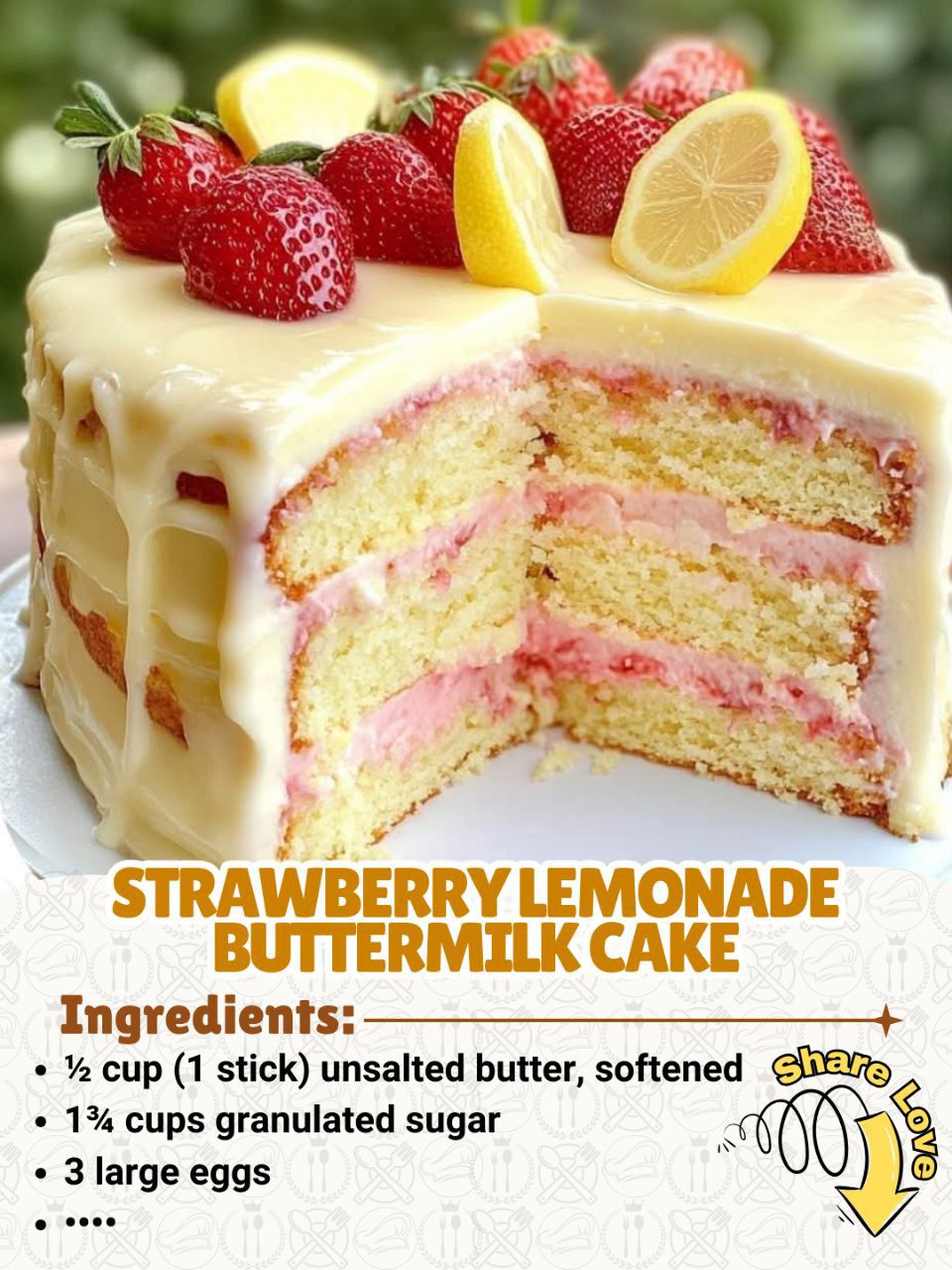
Pro Tips for Best Results
I tested this cake three different ways to nail the texture. The absolute best version came from using full-fat, cultured buttermilk and ensuring every single ingredient was truly at room temperature. Taking the eggs and buttermilk out an hour before you start makes a world of difference. It creates a smoother, more voluminous batter that bakes into an exceptionally tender crumb.
Here’s what I learned the hard way about the fruit: if your strawberries are very large and juicy, consider chopping them into slightly smaller pieces. One time I used massive berries, and their extra moisture created a few soggy pockets in an otherwise perfect cake. Smaller, uniform pieces distribute more evenly and bake more consistently.
For the glaze, consistency is key. Start with two tablespoons of lemon juice and whisk until smooth. You want it thick enough to coat the back of a spoon but thin enough to drizzle nicely. If it’s too thick, add more juice a teaspoon at a time. I like to let the glaze set for about 15 minutes before slicing—it creates a lovely, crackly-sweet shell on top.
Common Mistakes to Avoid
I made a crucial mistake the first time: I didn’t properly coat my strawberries in flour. I was in a hurry and just folded them in. The result? Every single berry sank and created a sticky, jammy layer at the very bottom of the cake. It was still tasty, but it wasn’t the beautiful, berry-studded slice I envisioned. Don’t do what I did—take the 30 seconds to toss them. That thin coat of flour is like a little life jacket for your fruit.
Another pitfall is overmixing the batter once you add the flour. Gluten development is what makes bread chewy, but it makes cakes tough. As soon as you can’t see any more dry flour streaks, stop the mixer and finish any blending by hand with a spatula. It feels wrong if you’re used to being thorough, but trust me, a light hand yields a cloud-like texture.
Serving Suggestions
I love serving this cake slightly warm or at room temperature with a dollop of freshly whipped cream. The simplicity of the cream complements the tangy cake without overpowering it. For a special brunch, I’ll add a side of macerated strawberries—just sliced berries tossed with a spoonful of sugar and left to sit for 30 minutes until syrupy. Their juices make a fantastic, no-cook sauce.
In the summer, this cake and a scoop of high-quality vanilla bean ice cream are a match made in heaven. The cold, creamy ice cream against the soft, warm cake is pure bliss. For an elegant dinner party presentation, I’ll garnish each slice with a twist of lemon zest and a single, perfect whole strawberry on the side.
For a simple, everyday treat, I enjoy it just as it is, alongside a cup of strong coffee or a glass of iced tea. The cake is so moist and flavorful that it truly doesn’t need any accompaniment. It’s perfect for packing in a lunchbox or enjoying with an afternoon cup of tea while sitting in a sunny spot.
Variations & Customizations
This recipe is wonderfully adaptable. If strawberries aren’t in season, I’ve had fantastic results using the same quantity of fresh raspberries or blueberries. With raspberries, I’m even more gentle when folding to avoid crushing them. For a tropical twist, try lime zest and juice instead of lemon, and fold in a cup of shredded coconut with the dry ingredients.
I once made a “pink lemonade” version that was a huge hit. I added a drop or two of natural pink food coloring to the batter and used a mix of lemon and a tiny bit of raspberry juice in the glaze for a beautiful pink hue. You can also swap the lemon glaze for a simple vanilla one made with milk or cream if you prefer a less tart finish.
For a more decadent dessert, consider turning this into a layer cake. Simply double the recipe, bake in two 9-inch pans, and fill and frost with a strawberry or lemon buttercream. I’ve also added a handful of poppy seeds to the batter for a classic lemon-poppy seed variation with strawberries—the textural crunch is delightful.
How to Store, Freeze & Reheat
From experience, this cake keeps beautifully at room temperature for up to two days. I store it under a cake dome or loosely covered with foil to protect the glaze. If your kitchen is very warm, you can refrigerate it for up to 4 days, but let it come back to room temperature before serving for the best texture and flavor. The refrigerator can dry it out slightly, so proper covering is key.
You can absolutely freeze this cake, glaze and all! I let the glaze set completely, then wrap the whole cake (or individual slices) tightly in two layers of plastic wrap, followed by a layer of aluminum foil. It freezes perfectly for up to 3 months. To serve, I thaw it overnight in the refrigerator and then let it sit on the counter for an hour. For a single slice, a quick 15-second zap in the microwave brings back that fresh-baked warmth wonderfully.
Conclusion
This Strawberry Lemonade Buttermilk Cake is more than just a recipe in my book—it’s a little jar of sunshine I can open whenever I need it. It has never failed to bring smiles to my table, whether it’s just for me with my morning coffee or shared with dear friends after a long weekend lunch. I hope it finds a special place in your recipe collection and becomes a trusted, beloved treat in your home, too. Happy baking