Pro Tips for Best Results
My number one tip is all about the butter texture. “Softened” means it should hold a slight indent when you press it, but not be oily or melted. I usually leave mine on the counter for an hour. If you’re in a rush, you can cut it into tablespoons and microwave for 5-second bursts, but watch it closely. I tested this three different ways, and truly softened butter creams with the sugar much more effectively, creating tiny air pockets that give the bars a perfect texture.
For the flour, I always fluff it in the bag, spoon it lightly into my measuring cup, and level it off with a knife. Dipping the cup directly into the flour can pack it in, leading to an extra half-cup or more by weight. This was the culprit behind my first batch being a bit dry and cakey. Using the spoon-and-level method ensures you get the precise, tender crumb we’re after.
Don’t be tempted to cut the bars while they’re still warm, even if your house smells amazing and you’re desperate for a taste. I’ve ruined a whole pan’s presentation by diving in too early. The structure needs time to set. I wait at least an hour, and for the cleanest cuts, I even pop the frosted slab into the fridge for 20 minutes first. I wipe my knife clean between each cut for those pristine, bakery-style edges.
Common Mistakes to Avoid
The most common mistake I see (and made myself!) is not letting the butter and eggs come to room temperature. Cold eggs don’t incorporate well and can make your beautifully creamed butter seize up. I’ve tried this step both ways, and trust me, taking the 30 minutes to let your ingredients warm up on the counter makes a huge difference in achieving that smooth, emulsified dough that bakes up evenly.
Another pitfall is overbaking. We’re used to baking until golden brown, but for these bars, that can mean dry edges. The center should no longer look shiny or wet, and a toothpick inserted should come out with just a few moist crumbs, not raw batter. Remember, it keeps cooking as it cools. My first batch baked for 28 minutes and was overdone; 23 minutes is my sweet spot in my oven. Know yours might be different, so start checking early.
Serving Suggestions
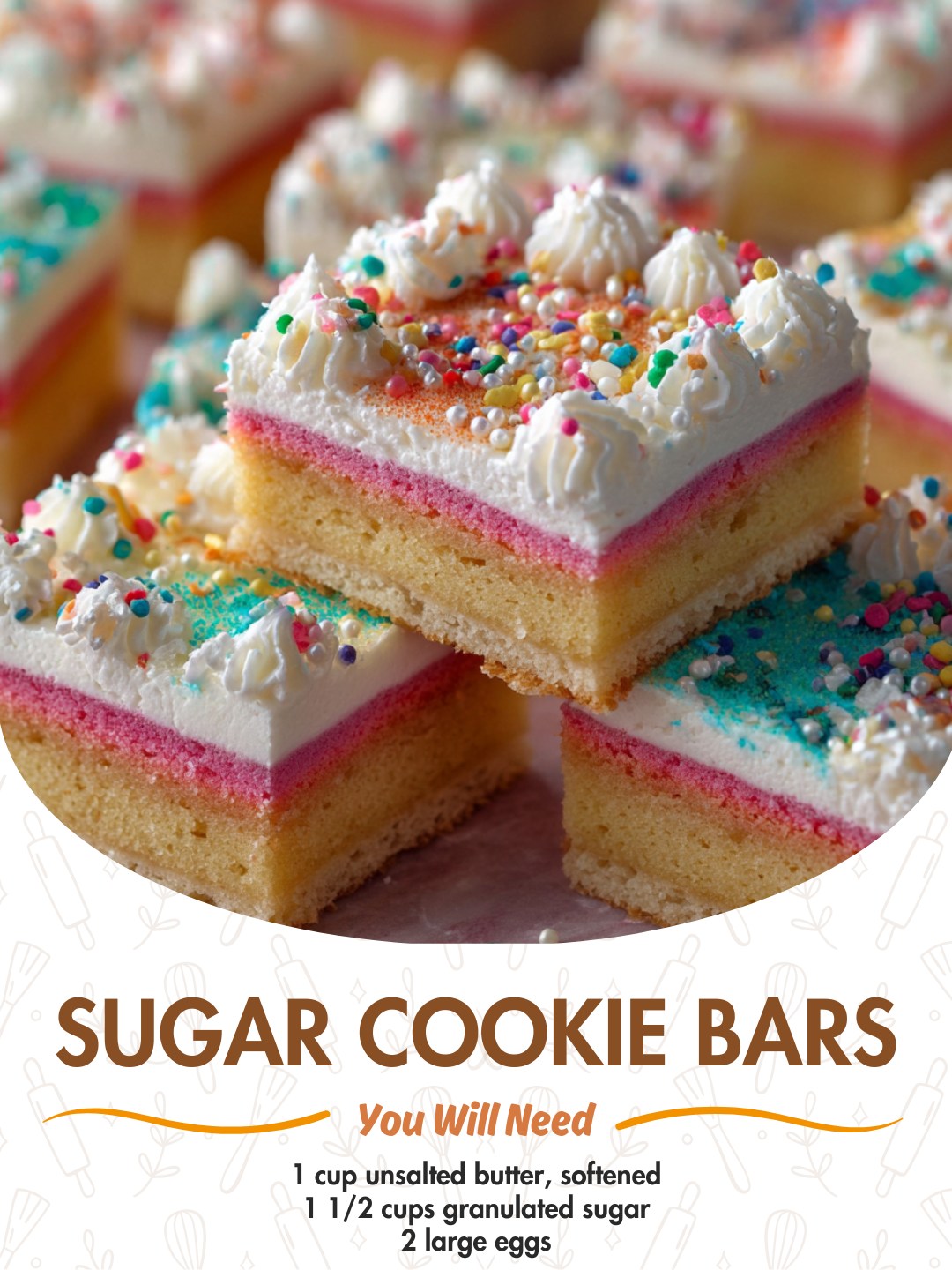
I love serving these bars just as they are, cut into big squares with a cold glass of milk. They’re the ultimate hand-held treat. For a more festive presentation, I’ll arrange them on a vintage cake stand for a party—they always disappear first. The simple, sweet flavor makes them incredibly versatile.
For a fun twist, I sometimes serve them alongside a scoop of really good vanilla bean ice cream or a dollop of sweetened whipped cream and fresh berries. The contrast of the cool, creamy ice cream with the soft, room-temperature bar is absolutely divine. It turns a simple cookie bar into a proper dessert.
If I’m bringing these to a gathering, I often cut them into smaller, bite-sized pieces. They become perfect little pick-up sweets that people can graze on without commitment. I’ve found that a tray of these mini bars and a pot of coffee is all you need for a happy group of friends.
Variations & Customizations
The beauty of this base is how easily it dresses up. For a lemon lover’s dream, I’ve added the zest of two lemons to the dough and made a tart lemon glaze instead of vanilla frosting. It’s wonderfully bright and refreshing. You can also fold in a cup of white chocolate chips or even dried cranberries for little bursts of flavor and texture.
For holidays, I divide the frosting and tint it with gel food coloring. At Christmas, I’ll do half red and half green frosting, swirling them together messily on top for a festive effect. For a kid’s birthday, I match the frosting and sprinkles to the party theme. I’ve even pressed mini M&Ms into the dough before baking for a confetti cookie bar effect.
If you’re not a frosting person (though I highly recommend it!), a simple drizzle works too. I’ve melted some chocolate chips with a teaspoon of coconut oil and drizzled it artfully over the cooled bars. Or, you can skip toppings altogether and just sprinkle the unbaked dough with a little coarse sugar before it goes in the oven for a sparkly, slightly crunchy top.
How to Store, Freeze & Reheat
To store, I keep the bars in a single layer in an airtight container at room temperature for up to 3 days. If you’ve stacked them, I recommend placing a sheet of parchment between layers so the frosting doesn’t stick. You can also refrigerate them for up to a week; I find the chilled frosting has a lovely texture, though the bar itself firms up a bit.
These freeze beautifully! I freeze the unfrosted bars whole (wrapped tightly in plastic wrap and foil) for up to 3 months. Thaw overnight in the fridge, then frost. You can also freeze individual frosted bars. I place them on a parchment-lined tray until solid, then transfer to a freezer bag. They thaw in about 30 minutes. I don’t recommend reheating them, as the frosting will melt, but a room-temperature bar is perfect every time.
Conclusion
These Sugar Cookie Bars have become a steadfast favorite in my kitchen, the recipe I turn to when I need guaranteed smiles and a kitchen that smells like happiness. They’re simple, nostalgic, and endlessly adaptable. I hope you give them a try and that they bring as much joy to your home as they have to mine. Happy baking