Pro Tips for Best Results
I tested the whisking technique three different ways: one stir at the beginning, stirring every 30 minutes, and my final method of a good initial whisk plus one more after 5 minutes. The last method is the clear winner for a clump-free texture without being obsessive. Also, the type of sweetener matters. Maple syrup gives a deeper, almost caramel-like note, while honey offers a brighter floral sweetness. I prefer maple syrup for that winter cookie vibe.
Here’s what I learned the hard way about extracts: using imitation vanilla or almond extract can leave a faint, artificial aftertaste. Spending a little extra on the pure versions is worth it for the clean, rich flavor. And don’t be tempted to add more chia seeds to thicken it faster; it will become unpleasantly gloppy. Patience is key—it will set.
For the creamiest mouthfeel, use full-fat coconut milk or dairy whole milk. The fat content creates an incredibly lush pudding. If you’re using a lighter milk, know that it will still set beautifully, but the texture will be a bit more like a traditional tapioca pudding rather than a rich custard.
Common Mistakes to Avoid
My biggest mistake the first time? Not whisking enough at the beginning. I ended up with a jar full of chia seed clusters that felt like I was eating frog eggs. It was not appetizing. So, whisk, whisk, whisk! And then whisk once more after five minutes. It seems like overkill, but it prevents those gelatinous clumps and gives you a silky, uniform pudding.
Another pitfall is using a jar that’s too small. The chia seeds need room to expand as they absorb the liquid. I once filled a small mason jar to the brim, and by morning, the pudding had expanded so much it was pushing the lid off. Give it some headspace! Finally, don’t skip the salt. I made that error once, thinking such a tiny amount wouldn’t matter, and the whole batch tasted flat and one-dimensionally sweet. That pinch of salt makes all the flavors pop.
Serving Suggestions
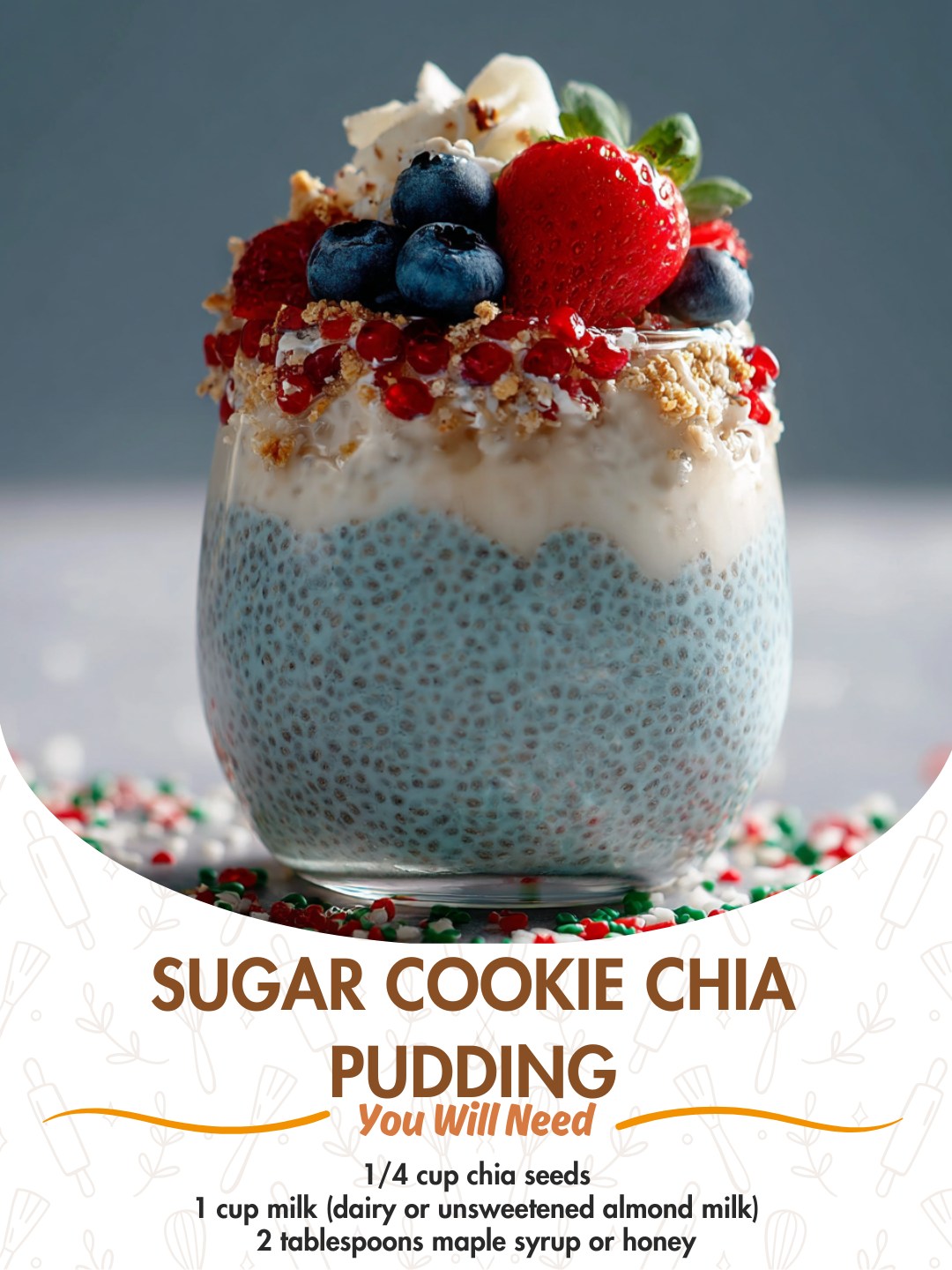
I love serving this pudding straight from the fridge in its cute little jar, especially for a portable breakfast. For a more decadent dessert, I’ll layer it in a fancy glass. I’ll do a spoonful of pudding, a layer of crushed vanilla wafers or graham crackers for a “cookie crumb” effect, more pudding, and then top it all with a dollop of freshly whipped cream. It feels so special.
When I’m having friends over for brunch, I set up a little chia pudding bar. I’ll put out a big bowl of the pudding along with small dishes of toppings: toasted coconut flakes, sliced almonds, a berry compote I quickly simmered on the stove, dark chocolate chips, and a small pitcher of extra milk for anyone who prefers it a bit looser. It’s always a hit and lets everyone customize their perfect bowl.
For my kids, I get a little playful. I’ll layer the pudding with strawberry puree to make a pink-and-white parfait, or let them add rainbow sprinkles on top. It turns a healthy breakfast into a fun activity. Sometimes, I’ll even pack it in their lunchboxes with a separate container of berries to mix in—it travels like a dream.
Variations & Customizations
One of my favorite variations is a “Chocolate Chip Cookie” version. I simply stir in a tablespoon of unsweetened cocoa powder into the milk mixture and then fold in mini chocolate chips after the pudding has set. It’s like dessert for breakfast, but with all the fiber and protein from the chia seeds. My husband requests this one constantly.
For a tropical twist, I’ve swapped the almond extract for coconut extract and used full-fat coconut milk. I then top it with toasted coconut, chopped macadamia nuts, and diced mango. It’s like a vacation in a jar. I’ve also seen friends blend a handful of spinach into the milk mixture before adding the chia seeds for a hidden veggie boost—you can’t taste it, and it turns the prettiest pale green color.
If you’re not a fan of almond, simply omit the almond extract and double the vanilla for a pure vanilla pudding. You can also add a tablespoon of protein powder for a post-workout boost (just be sure to whisk it in thoroughly with the initial liquid). The beauty of this base recipe is that it’s a perfect canvas for your cravings.
How to Store, Freeze & Reheat
This pudding is a meal-prep superstar. From my experience, it stores perfectly in airtight containers in the refrigerator for up to 5 days. I make a double batch on Sunday, and my breakfasts are sorted for most of the week. The texture actually improves over the first 24 hours as the chia seeds fully hydrate. If it thickens a bit too much for your liking after a few days, just stir in a splash of milk to loosen it up.
I don’t recommend freezing this pudding. I tried it once out of curiosity, and the thawed texture was very grainy and separated. It lost that lovely, smooth creaminess. This is truly a make-and-enjoy-within-the-week recipe. There’s no need to reheat it either—it’s meant to be enjoyed cold, straight from the fridge for that refreshing, satisfying feel.
Conclusion
This Sugar Cookie Chia Pudding has become more than just a recipe in my kitchen; it’s a reliable little joy, a healthy habit that tastes indulgent. I hope it brings as much simplicity and sweetness to your mornings as it has to mine. Give it a try, play with the flavors, and make it your own. I’d love to hear how it turns out in your kitchen! Happy pudding making