Pro Tips for Best Results
I tested the frying temperature three different ways. Too low, and the chicken absorbs oil and becomes greasy. Too high, and it browns before cooking through. A steady 350°F (or when a wooden chopstick bubbles vigorously in the oil) is perfect. If you don’t have a thermometer, do the cornstarch sizzle test—it hasn’t failed me yet. Also, let your coated chicken sit for 5 minutes on the plate before frying. This lets the coating hydrate slightly and adhere better, preventing it from sliding off in the oil.
For the sauce, simmer it gently while you fry. This helps the sugar dissolve completely and allows the flavors to meld. Don’t just mix it cold and pour it over; the warmth is key for the right texture. I also always save my pineapple juice from the can. That 1/4 cup in the sauce adds a fruity depth that balances the vinegar beautifully. If you use fresh pineapple, just supplement with a little orange juice.
The biggest pro tip? Serve immediately. Sweet and sour chicken is at its absolute peak the moment it’s tossed. The contrast between the hot, crispy exterior and the saucy glaze is what makes it magical. I plate it the second it’s tossed and call everyone to the table. It’s worth the slightly chaotic, deliciously fragrant kitchen frenzy.
Common Mistakes to Avoid
My first time, I made the classic mistake of dumping all the sauce over the chicken and letting it sit. I created a sad, soggy pile of what was once beautifully crispy chicken. It was a heartbreaking lesson. The sauce should coat, not drown. Toss it just before serving to preserve that texture. And please, don’t skip preheating your oil properly. I was impatient once and ended up with pale, oily chicken that no amount of tasty sauce could salvage.
Another trap is over-stir-frying the vegetables. You want that vibrant color and a bit of crunch. If you cook them until they’re completely soft, they’ll get lost in the dish and turn mushy under the sauce. A quick, hot stir-fry is all they need. They’ll continue to soften slightly from the residual heat once everything is combined.
Serving Suggestions
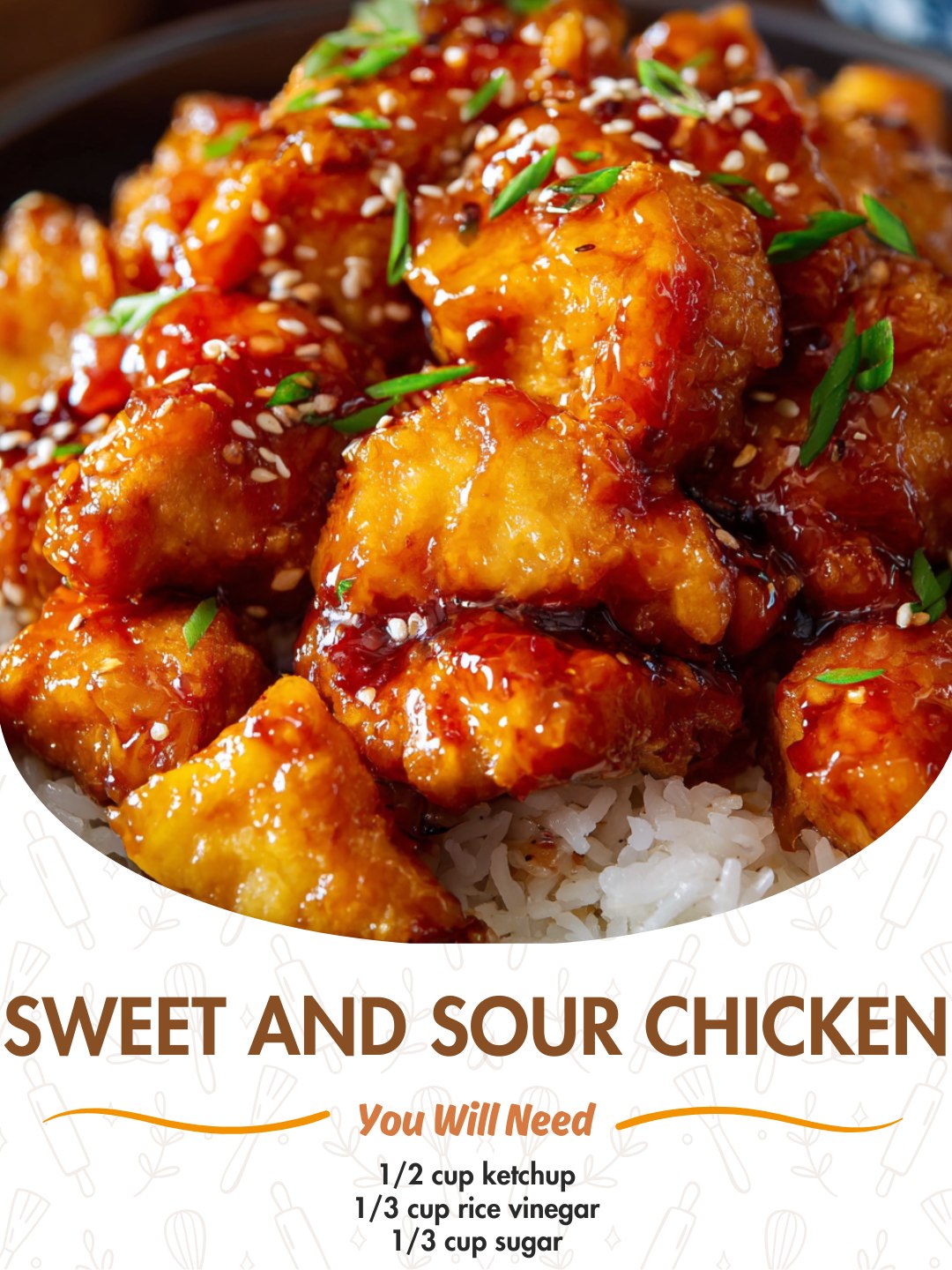
I love serving this Sweet and Sour Chicken straight from the skillet over a huge bed of fluffy white jasmine rice. The rice soaks up every last drop of the extra sauce on the plate, and it’s honestly my favorite part. For a healthier twist, cauliflower rice works surprisingly well too, though it won’t absorb the sauce in the same comforting way.
To round out the meal, I almost always make a simple, quick side. My go-to is steamed broccoli or snap peas—their freshness is a perfect counterpoint to the rich, sweet, and tangy main. A light cucumber salad with a rice vinegar dressing also complements it beautifully without competing for flavor.
If I’m feeling fancy or having friends over, I’ll set out small bowls of optional garnishes: extra sliced green onions, toasted sesame seeds, or even a little drizzle of chili crisp for heat. It lets everyone customize their bowl and makes the whole experience feel more interactive and fun.
Variations & Customizations
This recipe is wonderfully adaptable. For a spicy kick, which I adore, I add a tablespoon of sriracha or a few dried red chilies to the sauce while it simmers. The heat cuts through the sweetness in the best way. You can also swap the chicken for large shrimp or even firm tofu cubes (pressed well and coated in the same cornstarch mixture) for a fantastic vegetarian version. The method stays exactly the same.
I’ve seen others add different vegetables with great success. Try tossing in some sliced carrots (blanch them first so they cook quickly), water chestnuts for crunch, or even baby corn. The base recipe is your canvas. One of my friends always adds a handful of cherry tomatoes at the very end, which burst with a lovely acidity.
If you want to skip deep-frying for a lighter version, you can bake the cornstarch-coated chicken on a rack at 425°F until crisp. The texture won’t be quite the same—it’s more of a craggy crisp than a slick shell—but it’s still delicious. For the sauce, some people like to add a teaspoon of toasted sesame oil at the end for depth, or a splash of orange juice for a citrusy note.
How to Store, Freeze & Reheat
Let’s be honest, leftovers will be a bit softer, but they’re still tasty. I store the chicken and sauce separately if I can, in airtight containers in the fridge for up to 3 days. Reheating is key: I use the oven or an air fryer (at 375°F) to re-crisp the chicken for a few minutes before gently reheating the sauce on the stove and combining them. The microwave will turn everything rubbery and soggy—I speak from disappointing experience.
You can freeze the cooked, sauced chicken for up to 2 months. Thaw it overnight in the fridge. The texture of the vegetables will suffer a bit, but the flavor remains. Reheat from frozen in the oven, covered, at 350°F until heated through, then uncover for a few minutes to try and revive some texture. It won’t be quite like fresh, but it’s a great freezer meal for a busy night.
Conclusion
This Sweet and Sour Chicken recipe is more than just a meal; it’s a little kitchen triumph that never fails to bring a smile. It has become my trusted recipe for impressing guests, satisfying a serious craving, or just turning an ordinary weeknight into something special. I hope it brings as much joy and deliciousness to your table as it has to mine. Now, go grab your wok—your new favorite homemade takeout experience is waiting