Step-by-Step Instructions
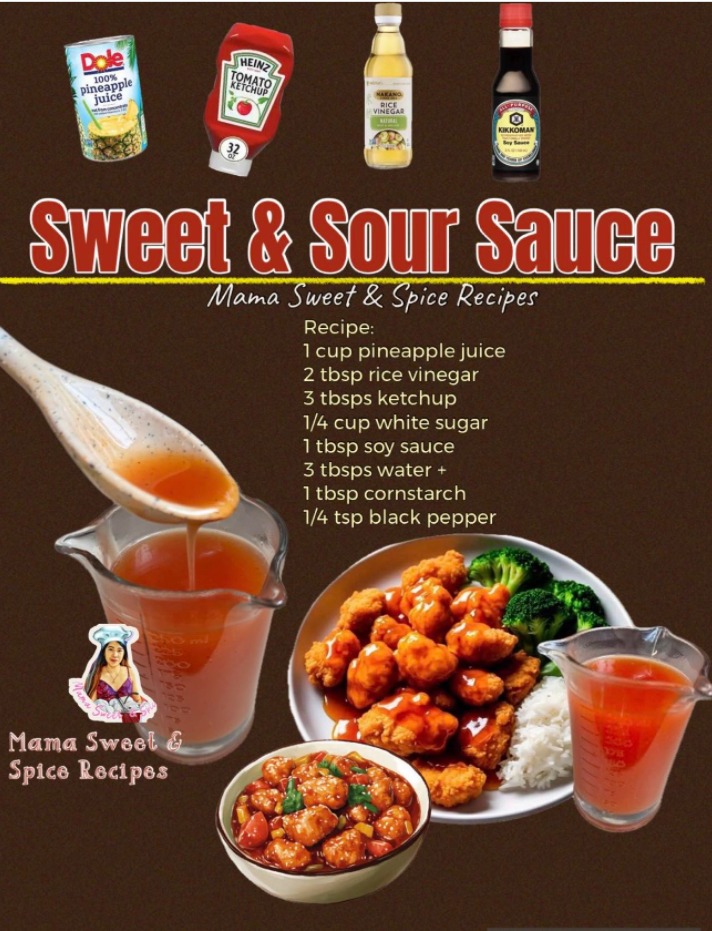
First, I pour the pineapple juice, rice vinegar, ketchup, sugar, and soy sauce directly into my saucepan. I give it all a really good whisk right there in the pot to dissolve the sugar and combine everything before I even turn on the heat. This is my little ritual. Then, I place the saucepan over medium-high heat and bring the mixture to a lively simmer. This is when the magic starts—the smell is incredible. I let it bubble gently for about 2-3 minutes, stirring occasionally with my whisk. This step cooks off the raw vinegar edge and lets the flavors start to meld together beautifully.
While that’s heating up, I never just stand there! I quickly make my cornstarch slurry in my little ramekin. This is the most critical technique in the whole recipe. I combine the 3 tablespoons of water with the 1 tablespoon of cornstarch and whisk it vigorously until it’s completely smooth, like thin milk. No lumps allowed! I can’t tell you how many times I’ve been lazy and sprinkled the cornstarch right into the hot sauce, thinking I could whisk it in fast enough. It always, always creates stubborn little gelatinous balls. Mix it cold first—trust me on this.
Once my base sauce is simmering, I reduce the heat to medium-low. I give my slurry one last stir (it settles quickly) and then I drizzle it into the saucepan in a thin, steady stream, whisking the entire time. Almost immediately, you’ll see the sauce begin to transform from a thin, watery liquid to a glossy, luxurious glaze. I keep whisking for another 30-60 seconds until it thickens to a perfect coating consistency—it should coat the back of a spoon. Then I immediately remove it from the heat and stir in the black pepper. The residual heat will carry on cooking it, so if you leave it on the stove, it can get too thick.
Pro Tips for Best Results
Temperature control is everything. If your heat is too high when you add the cornstarch slurry, the starch can “shock” and become stringy or gloopy instead of silky. I always lower the heat to that gentle medium-low simmer before adding it. Also, remember that the sauce will continue to thicken slightly as it cools. I aim for a consistency that’s a bit thinner than honey in the pan; by the time I toss it with hot stir-fried veggies or protein, it’s perfect. If it does get too thick in the pan, a tablespoon of warm water whisked in will loosen it right up.
Taste as you go, but at the right time. After you’ve added the slurry and the sauce has thickened, take a small spoonful, let it cool for a second, and taste. This is your moment to adjust. Want it tangier? A tiny splash more rice vinegar will do it. Sweeter? A pinch more sugar. I find the balance in this recipe is spot-on for my taste, but we all have different palates. The key is adjusting after thickening, as adding more liquid later can throw off the texture.
Let’s talk about that glossy sheen. The secret is in the cornstarch and the quick cooking. Don’t let the thickened sauce boil vigorously for a long time. Once it’s glossy and coats your whisk, it’s done. Overcooking cornstarch can cause it to break down and become thin again, or turn unpleasantly sticky. I set a timer for one minute of gentle cooking after adding the slurry—it’s the perfect window for me.
(See the next page below to continue…)