Common Mistakes to Avoid
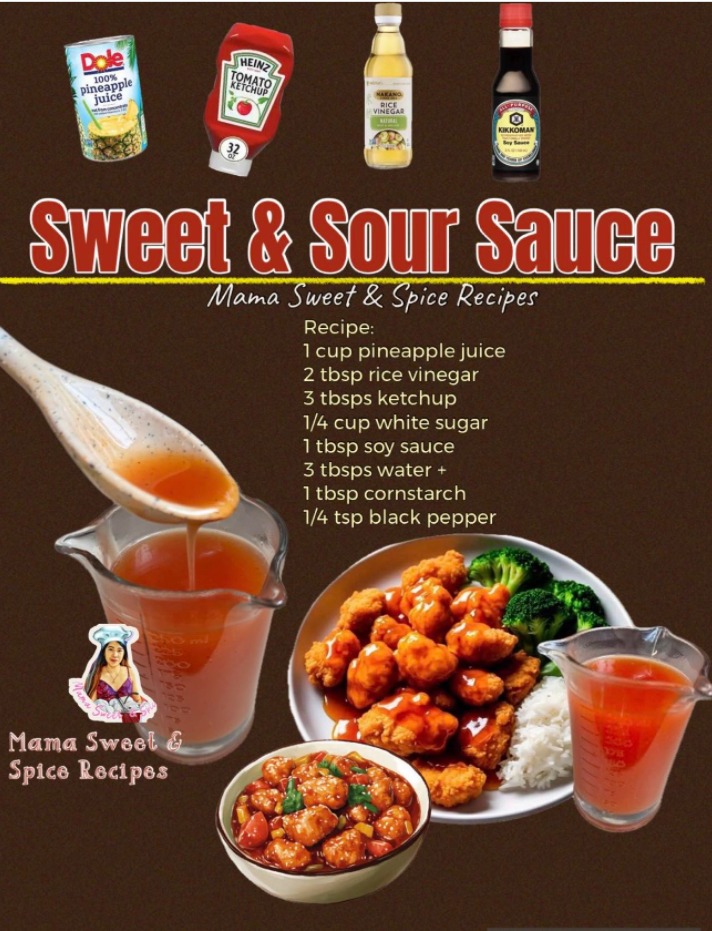
My biggest first-time blunder was impatience with the cornstarch. I thought I could just mix the dry cornstarch with a bit of the hot sauce in a separate bowl and add it back. It was a disaster. It clumped instantly and no amount of frantic whisking could save it. I had to start over. Always, always make a cold slurry with room temperature or cold water. It’s the one step you cannot take a shortcut on if you want that restaurant-quality smoothness.
Another mistake is walking away during the initial simmer. This sauce has sugar in it, which means it can go from a happy simmer to a volcanic, sticky boil-over in seconds. I’ve had to clean my stovetop more than once because I turned away to chop a vegetable. Stay nearby, keep it at a controlled bubble, and stir occasionally. It’s only a few minutes of active attention for a payoff that lasts through several meals.
Serving Suggestions
I love this sauce most as a classic stir-fry glaze. I’ll sauté bell peppers, onions, broccoli, and maybe some pineapple chunks until crisp-tender, add in baked or fried tofu or chicken, and then pour this sauce over everything in the wok. I let it bubble for just a minute until everything is gloriously coated. The sauce clings to every nook and cranny, making each bite a perfect mix of crunchy vegetable and tangy-sweet sauce.
But don’t stop there! This is my secret weapon for appetizers. I use it as a dip for crispy spring rolls, tempura shrimp, or even just simple chicken nuggets for a fun family dinner. I’ve also brushed it on meatballs before popping them in the oven for the last 10 minutes of cooking—they come out sticky, sweet, sour, and utterly addictive. It’s incredibly versatile.
Variations & Customizations
If you like a bit of heat, this sauce is a fantastic canvas. My favorite variation is to add a teaspoon of sriracha or a few slices of fresh red chili to the saucepan with the initial ingredients. The heat infuses the whole batch beautifully. I’ve also added a minced garlic clove or a teaspoon of grated fresh ginger at the start for a more aromatic punch. Sauté them in a tiny bit of oil in the pan before adding the liquids for the deepest flavor.
For a different fruit profile, I’ve successfully substituted the pineapple juice with an equal amount of orange juice. It creates a more citrus-forward, almost “orange chicken” style sauce that’s really delicious. You could even use half pineapple and half orange. If you want a deeper color and flavor, swap the white sugar for light brown sugar; it gives a lovely, almost caramel-like note. Play around—it’s very forgiving once you understand the base formula.
How to Store, Freeze & Reheat
Once cooled, I store my sauce in a glass jar or airtight container in the refrigerator. It keeps beautifully for up to two weeks. You’ll notice it thickens significantly when cold—this is totally normal. When you’re ready to use it, simply reheat it gently in a saucepan over low heat, adding a splash of water or more pineapple juice to bring it back to a saucy consistency. You can also microwave it in 15-second intervals, stirring in between.
Yes, this sauce freezes wonderfully! I often double the batch and freeze half for a future “I don’t feel like cooking” night. I let it cool completely, then pour it into a freezer-safe bag, lay it flat to freeze, or use an ice cube tray for perfect single-serving portions. To thaw, I leave it in the fridge overnight or gently defrost it in a saucepan over low heat. Re-whisk it as it warms, and it’s good as new.
FAQ Section
Can I make this sauce ahead of time?
Absolutely, and I do it all the time! In fact, I think the flavors meld and improve after sitting in the fridge overnight. Just make sure to cool it completely before covering and refrigerating. Remember, it will be very thick when cold, so you’ll need to gently reheat and thin it with a tiny bit of liquid (water or juice) when you’re ready to use it.
My sauce turned out too thin. What did I do wrong?
This usually happens if the cornstarch slurry wasn’t mixed properly (some cornstarch was left at the bottom of the ramekin) or if the sauce wasn’t brought to a full simmer before adding the slurry. The heat is necessary to activate the cornstarch’s thickening power. If it’s too thin, just mix another ½ teaspoon of cornstarch with 1 ½ teaspoons of cold water and whisk it into the simmering sauce. It should thicken up in a minute.
Is there a way to make this sauce less sweet?
For sure! I’ve done this for friends who prefer a more tart sauce. Simply reduce the sugar by a tablespoon or two. You can also increase the rice vinegar by a teaspoon to balance it back out. Taste as you go after thickening until it suits your preference. The beauty of homemade is you’re in control.
Conclusion
This Sweet & Sour Sauce recipe has become more than just a condiment in my kitchen; it’s a reliable friend for busy weeknights and a guaranteed crowd-pleaser. There’s a deep satisfaction in creating something so vibrant and flavorful from simple pantry staples, knowing exactly what’s in it, and tailoring it to your own taste. I hope you’ll give it a try and experience that wonderful moment when the sauce thickens into glossy perfection, filling your kitchen with that unforgettable, tangy-sweet aroma. Happy cooking