Pro Tips for Best Results
I tested the tortilla situation three different ways: using them straight from the package, lightly frying them, and even using crushed chips. While chips are delicious, they can get too hard. The best, easiest method is simply using soft tortillas straight from the package, cut into strips. They soften perfectly in the bake and provide the ideal textural base without extra work or oil.
Here’s what I learned the hard way about draining ingredients: you must drain the canned tomatoes and rinse the beans thoroughly. One time I was in a hurry and just dumped the tomato can in, juice and all. The result was a watery, soupy casserole that took forever to set. That liquid has nowhere to go but into your tortillas, making them mushy. A quick drain makes all the difference for perfect consistency.
For the ultimate flavor boost, I sometimes take an extra five minutes to toast my own taco seasoning. If I have cumin, chili powder, garlic powder, and paprika on hand, I’ll use about two tablespoons of my blend instead of the packet. It tastes fresher and lets me control the salt. But honestly, the store-bought packet works beautifully and is my standard for a truly quick meal. Both are winners.
Common Mistakes to Avoid
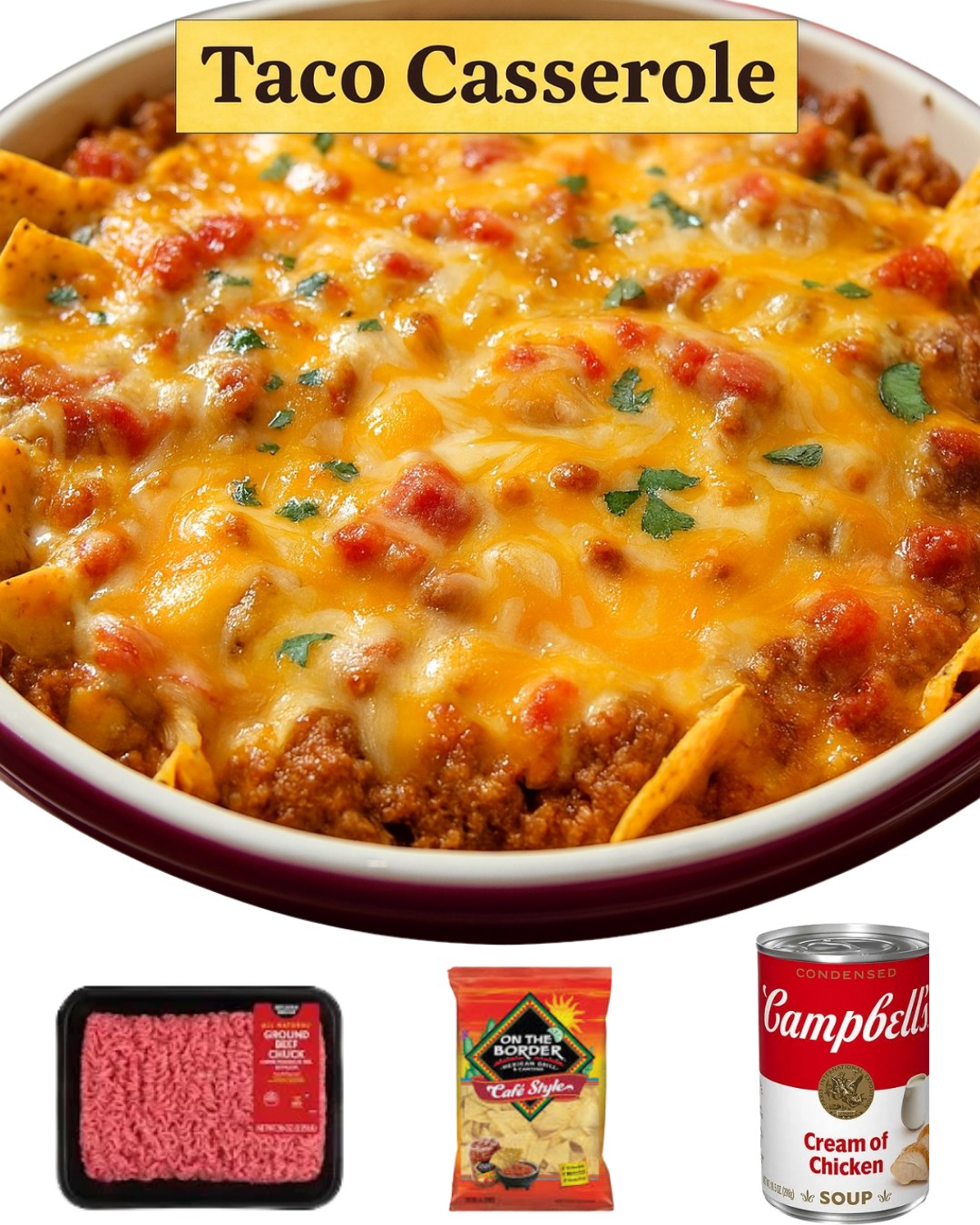
The biggest mistake I made the first time was skipping the resting period. I was too excited, dug right in, and served a delicious but sloppy mess on the plate. It tasted amazing, but it looked like a casualty. Don’t do what I did! Letting the casserole sit for 10 minutes allows the hot, creamy sauce to thicken slightly and reabsorb, letting the layers firm up. You’ll get those beautiful, clean servings you see in pictures.
Another common pitfall is overloading on wet ingredients. I’ve seen versions with added salsa or enchilada sauce on top. In my experience, with the soup, sour cream, and tomatoes, you have the perfect amount of moisture. Adding more liquid toppings before baking will almost certainly lead to a soggy bottom layer of tortillas. If you love salsa or hot sauce, serve it on the side or drizzle it over your individual portion after plating.
Serving Suggestions
I love serving this casserole right from the dish at the table, letting everyone admire that cheesy top. For toppings, I set up a little bar with bowls of cool, creamy diced avocado, a big pile of fresh chopped cilantro, slices of spicy jalapeño, and of course, more sour cream. The contrast of the cool, fresh toppings with the hot, rich casserole is absolutely essential.
On the side, I almost always keep it simple. A crisp green salad with a lime vinaigrette cuts through the richness perfectly. If I’m feeling fancy, I’ll make a quick Mexican street corn salad, or if it’s a true comfort night, just some plain steamed rice to soak up any extra sauce. It really doesn’t need much!
For drinks, an ice-cold Mexican lager or a sparkling agua fresca is my pairing of choice. The crisp, cold beverage is the perfect foil for the warm, spiced flavors of the casserole. It turns a simple weeknight meal into a little fiesta.
Variations & Customizations
This recipe is a fantastic canvas. I’ve made a fantastic “taco salad” version by skipping the tortilla layers and serving the baked meat, bean, and cheese mixture over a bed of chopped romaine lettuce with crushed tortilla chips. It’s lighter but still has all the comforting flavors. You bake the mixture in a skillet and then just scoop it hot over the cold greens.
For a leaner option, I regularly swap the ground beef for ground turkey or even shredded chicken. The key is to make sure your protein is well-seasoned. If using pre-cooked chicken, I’ll toss it with the taco seasoning and a tiny bit of broth or water to help the spices adhere before mixing it in. It works beautifully and is a great way to use up leftover rotisserie chicken.
I’ve seen my vegetarian friends make an amazing version using a plant-based ground “meat” or by simply doubling up on the beans and corn. You could also add sautéed bell peppers and zucchini to the mix. The core formula of protein + beans + creamy sauce + cheese is incredibly flexible. Don’t be afraid to make it your own!
How to Store, Freeze & Reheat
Leftovers keep beautifully! I let the casserole cool completely, then cover the baking dish tightly with foil or transfer portions to airtight containers. It will last in the fridge for 3-4 days. To reheat, I find the microwave works just fine for a single portion (covered, in 60-second bursts, stirring in between). For a larger portion, I cover it with foil and reheat in a 325°F oven until warmed through, about 20 minutes. This helps retain the texture better than the microwave.
This casserole freezes exceptionally well, which is a lifesaver. I assemble it completely in a disposable aluminum pan, but I do not bake it. I wrap it tightly in a layer of plastic wrap and then a layer of heavy-duty foil, label it, and freeze for up to 3 months. To cook, I thaw it overnight in the fridge, then bake as directed, adding maybe 10-15 extra minutes since it’s starting from cold. You can bake it straight from frozen, but you’ll need to add significant time (often 60-90 minutes) and cover it with foil for the first hour to prevent the cheese from burning before the center is hot.
Conclusion
This Taco Casserole has earned a permanent spot in my recipe rotation because it never fails to deliver maximum flavor with minimal stress. It’s the dish I make when I need a guaranteed win, and it’s the one friends always ask me to bring. I hope it brings as much warmth and happiness to your table as it has to mine. Give it a try this week, and don’t forget to let it rest before you dive in—you’ve got this!