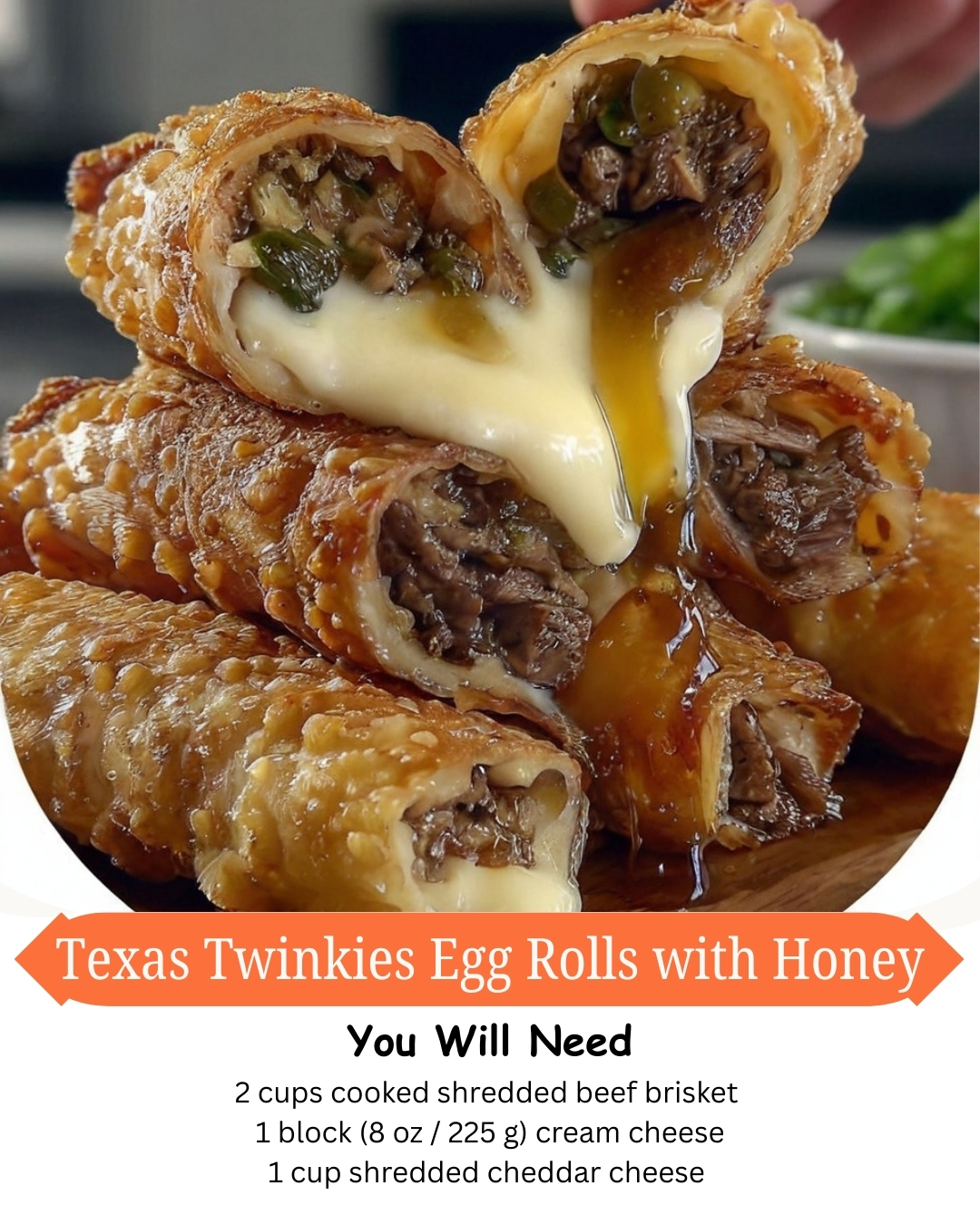
Finally, the frying. In your heavy pot, heat about 2 inches of oil to 350°F (175°C). A candy thermometer is a lifesaver here; guessing can lead to disaster. I learned the hard way that oil that’s too cool makes greasy egg rolls, and oil that’s too hot burns the wrapper before the filling heats through. Carefully place 3-4 egg rolls into the hot oil, seam-side down first to seal it. Fry for 2-3 minutes per side until they are a deep, uniform golden brown. Use your spider strainer to transfer them to the wire rack to drain. Let them rest for just a minute—that filling is molten lava hot!
Pro Tips for Best Results
Temperature control is everything. I can’t stress this enough: use a thermometer for your oil. I tested this three different ways—by eye, by dropping in a bread cube, and with a thermometer—and the thermometer batch was perfect every single time. Let the oil come back to 350°F between batches. It takes a minute, but it ensures each egg roll is equally crispy. Also, don’t overcrowd the pot. It drops the oil temperature too much, and you’ll end up with soggy, oil-logged wrappers.
Your brisket matters. The filling is only as good as the brisket you put in it. If your leftover brisket is a bit dry, don’t worry! I’ve found that adding a tablespoon or two of the brisket’s juices, or even a little extra BBQ sauce, into the filling mix brings back that incredible moisture and flavor. Just don’t make it soupy. And when you shred the brisket, make sure to chop any particularly long strands so they don’t poke holes in your delicate egg roll wrappers.
The sealing ritual is sacred. That little bowl of water is your best insurance policy against a blowout in the fryer. Take the extra five seconds to run your wet finger along every edge of the wrapper. When you do the final roll, apply gentle pressure to ensure it’s sealed tight. I had one burst open on me early on, and it was a greasy, filling-leaking mess. A proper seal keeps all that glorious cheesiness right where it belongs—inside the crisp shell.
Common Mistakes to Avoid
The biggest mistake I made the first time was using filling that was too cold. I took the cream cheese and brisket straight from the fridge, mixed it, and tried to roll. The cold, firm filling tore my wrappers, and it was a frustrating patch job. Let your cream cheese sit out for an hour and give your chilled brisket a quick zap in the microwave to just take the chill off. A pliable filling makes for smooth, easy rolling.
Another classic error is the wrong oil temperature, which I’ve harped on, but it’s that important. But also, don’t skip the resting step after frying. I know it’s tempting to dive right in, but that one-minute rest on the rack allows the steam inside to settle and the structure to firm up. If you cut into it immediately, hot cheese will erupt everywhere (delicious, but dangerous), and the wrapper can go limp. A little patience rewards you with the perfect texture.
Serving Suggestions
I love serving these piled high on a wooden board, drizzled lavishly with honey and scattered with fresh chopped cilantro or sliced green onions. The honey is not just a garnish—it’s a key player. The sweet, floral notes cut through the rich, smoky beef and creamy cheese in the most incredible way. Don’t skip this step; it makes a huge difference. I like to put a small bowl of extra honey on the side for dipping, too.(See the next page below to continue…)