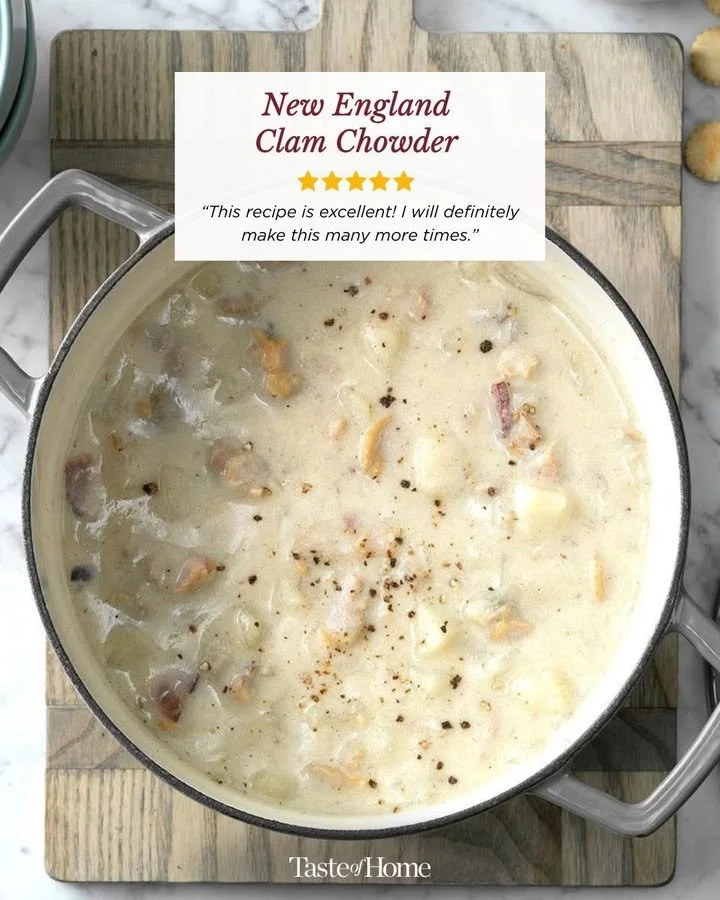
Another mistake is to let the chowder boil vigorously after adding the cream. This can cause the cream to curdle, which nobody wants in their chowder. I like to keep the heat low and gently warm it through for the best texture.
Lastly, I learned the hard way that not tasting as you go can lead to a bland outcome. Embrace the process—it’s okay to tweak the seasoning as you develop your chowder. A dash more salt or a hint of pepper can elevate your dish into the delicious realm it deserves!
Serving Suggestions
I love serving my chowder with a side of toasted crusty bread or homemade biscuits, perfect for dipping into that creamy goodness. Nothing beats the combination of warm, flaky bread with rich chowder. Trust me; it’s the ultimate comfort meal!
For an added touch, I sometimes include a side salad. A bright, crisp salad complements the richness of the chowder and balances the meal beautifully. Plus, it adds a refreshing crunch that brightens each bite.
If I’m feeling festive, serving this chowder in individual bread bowls is a hit! It adds a fun twist to presentation and offers an even more delicious way to sop up every last drop of that heavenly chowder.
Variations & Customizations
While I absolutely adore the traditional chowder, I’ve had a blast experimenting with different ingredients. For a seafood twist, I’ve added shrimp and clams. Just be mindful of the cooking times, as seafood tends to cook quickly and can be added towards the end of the simmering process.
For a vegetarian option, swapping out the bacon for smoked paprika or liquid smoke gives a delightful depth without losing heartiness. I also like to add more veggies like diced carrots or celery for an extra burst of flavor and color.
You can play around with the creaminess, too! If you’re looking for a lighter version, almond milk or oat milk can work well instead of heavy cream, just keep in mind that it may alter the flavor slightly. Experimentation is half the joy of cooking!
How to Store, Freeze & Reheat
Storing the chowder is a breeze! I let it cool down completely, then transfer it into an airtight container. In the fridge, it lasts for about three to four days. Just make sure to give it a good stir before serving again, as the flavors meld beautifully over time.
If you’ve made a big batch and want to save some for later, you can freeze it too! I recommend portioning it into freezer-safe containers, allowing space for expansion, and keeping it for up to three months. Just be mindful that the texture might change slightly upon reheating after freezing.
When it comes to reheating, I prefer using the stovetop, gently warming it over medium heat and stirring occasionally to maintain its creamy consistency. If it’s too thick, adding a splash of broth or cream brings it right back to life!
Conclusion
Making traditional chowder in my kitchen has become one of my cherished rituals, especially during the colder months. With a few simple ingredients and step-by-step care, you can create a comforting bowl of warmth that feels like home. I hope this recipe brings as much comfort and happiness to your table as it has to mine! Happy cooking!