Pro Tips for Best Results
I’ve tested this recipe three different ways: with frozen veggies (they release too much water), with the sauce added too early (it burns), and with crowded chicken (it steams). The winning method is what I’ve outlined: hot pan, dry chicken, patience for the sear. Here’s what I learned the hard way: that cornstarch slurry for the homemade glaze? Mix it in a separate bowl right before adding. If you add cornstarch directly to the hot pan, you’ll get lumps. Every single time.
Another pro tip is in the rice. Don’t use freshly cooked, piping-hot rice straight from the pot for your bowl. I let mine sit for 5-10 minutes, fluffed with a fork. This slight cooling prevents it from getting gummy under the hot, saucy chicken and veggies. It creates a much better textural experience. Also, toasting your sesame seeds in a dry pan for a minute until golden elevates the garnish from an afterthought to a flavor bomb.
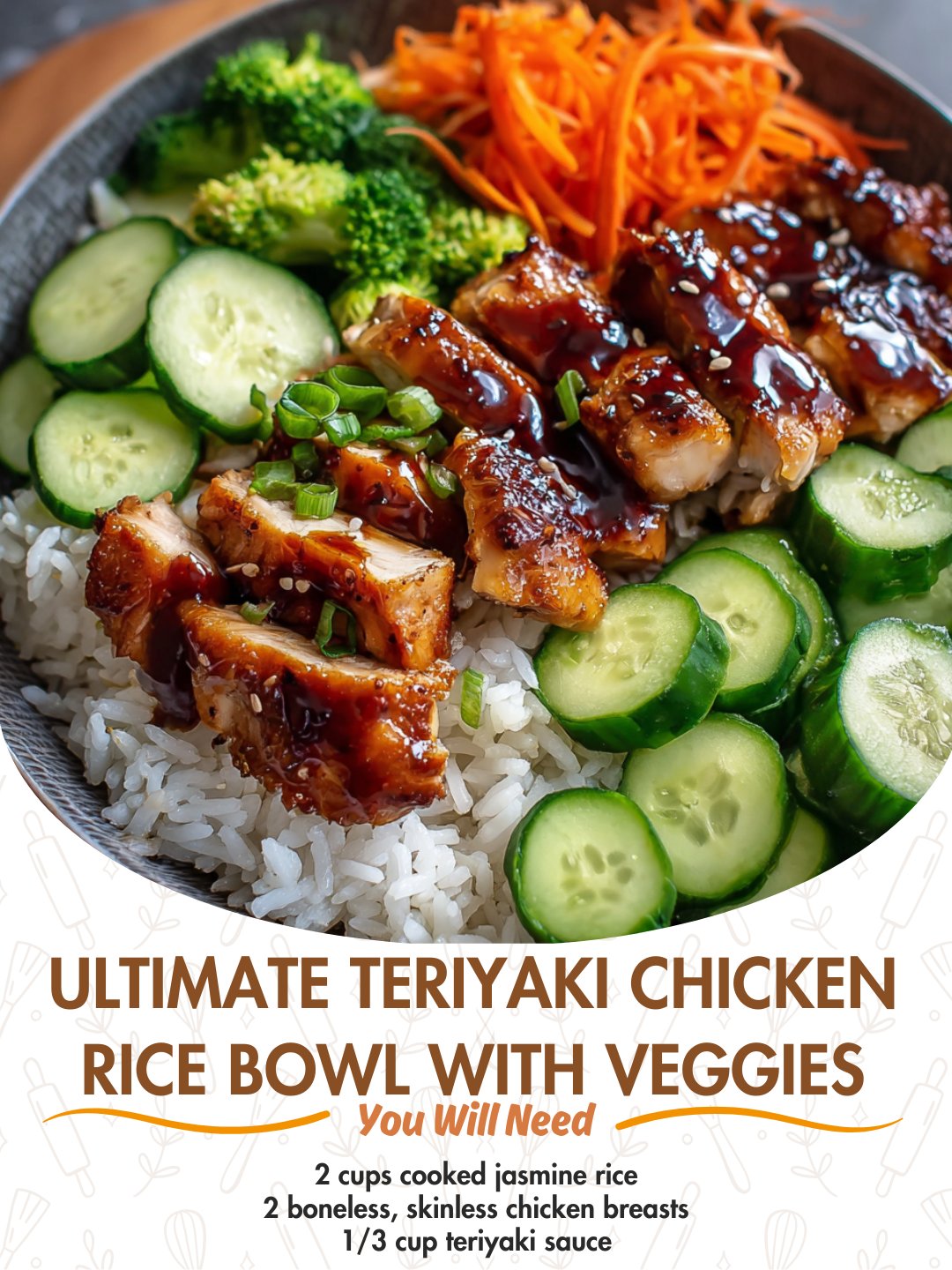
Finally, balance your bowl. When I serve this, I don’t just dump everything on top. I start with a fluffy base of rice, then artfully arrange the chicken and veggies alongside it. I drizzle any extra glaze from the pan over everything, then finish with the green onions and toasted sesame seeds. This little bit of presentation makes a Tuesday dinner feel special. It’s a tip that costs nothing but adds so much to the experience.
Common Mistakes to Avoid
The most common mistake is moving the chicken too soon. I made this mistake the first time—I was nervous and kept poking it. Don’t do what I did. Let the pan do its work. A proper sear locks in juices and creates fond (those tasty browned bits) on the pan that later dissolves into your sauce, adding incredible depth. If you try to flip or stir too early, the chicken will stick and tear, and you’ll miss out on all that flavor.
Another pitfall is overcooking the vegetables. We want vibrant, crisp-tender veggies, not soggy, army-green broccoli. That’s why the quick steam-and-uncover method is crucial. Once you add the slurry (if using) and see the sauce thicken, your work is done. The residual heat will finish the vegetables perfectly. Continuing to cook for “just another minute” is often the minute that turns perfect to mushy. Trust your timing and trust the carry-over cooking.
Serving Suggestions
I like serving this bowl immediately, while the sauce is still glossy and the veggies are bright. The contrast of temperatures and textures is part of the joy. In my house, we often add a soft-boiled egg with a runny yolk on top; it creates the most incredible, rich sauce when mixed into the rice. A small dish of kimchi or pickled ginger on the side cuts through the sweetness beautifully and adds a tangy, fermented crunch.
For a more substantial spread, I’ll pair it with a simple, crisp side salad dressed with a ginger-sesame vinaigrette. It feels like you’re at a fantastic pan-Asian restaurant. If I’m really leaning into the experience, I’ll serve with a pot of genmaicha (brown rice tea) or a cold lager. The nuttiness of the tea or the crisp beer complements the teriyaki’s umami notes perfectly, turning a simple weeknight meal into a mindful dining moment.
Don’t forget the final flourishes! I keep a little squeeze bottle of sriracha or chili crisp on the table for those who like heat. A light drizzle of toasted sesame oil right at the end adds a nutty aroma you can’t get from the seeds alone. These tiny additions are what make the bowl feel “ultimate.” They allow everyone to customize their bite, which is always a win at the dinner table.
Variations & Customizations
The beauty of this bowl is its versatility. I’ve made a fantastic version using shrimp instead of chicken. Shrimp cooks even faster, so I sear them first, remove them entirely, and then add them back at the very end just to warm through. This keeps them plump and juicy. For a vegetarian twist, I’ve used extra-firm tofu, pressed and cubed. The key is to coat the tofu in a little cornstarch before pan-frying—it gives it a wonderfully crispy exterior that soaks up the teriyaki sauce gloriously.
You can take the flavor profile in different directions, too. Once, I added a big spoonful of gochujang (Korean chili paste) to the teriyaki sauce for a spicy-sweet kick—it was phenomenal. For a more tropical feel, I’ve tossed in some fresh pineapple chunks with the veggies. The caramelized sweetness of the pineapple against the savory sauce is a revelation. Don’t be afraid to swap the jasmine rice for brown rice, quinoa, or even cauliflower rice for a lower-carb option.
I’ve seen friends get creative with the veggie mix based on what’s in season. Sugar snap peas, thinly sliced mushrooms, asparagus spears, or even ribbons of zucchini all work wonderfully. The formula is simple: a sturdy veg that can handle a quick sauté or steam. This recipe is a template. Once you master the basic technique of searing the protein and building the glaze, the world is your teriyaki oyster.
How to Store, Freeze & Reheat
From my experience, leftovers store beautifully for up to 3 days in a tightly sealed container in the fridge. The key is to store the components separately if you can. I keep the rice in one container and the teriyaki chicken and veggie mix in another. This prevents the rice from absorbing all the sauce and becoming soggy. When reheating, I add a tiny splash of water to the chicken mixture and warm it gently in a covered skillet over medium-low heat, stirring occasionally. The steam helps revive the sauce without overcooking the chicken.
You can freeze the teriyaki chicken and veggie mix (without the rice) for up to 2 months. I let it cool completely, then portion it into freezer bags, pressing out all the air. To reheat from frozen, I thaw it overnight in the fridge and then use the skillet method above. I don’t recommend freezing the rice, as it becomes grainy and dry upon thawing. It’s so quick to make a fresh batch of rice, and it makes all the difference in reviving this dish to its former glory.
Conclusion
This Ultimate Teriyaki Chicken Rice Bowl is more than just a recipe in my rotation; it’s a dependable friend in the kitchen. It’s taught me the importance of a good sear, the magic of a simple glaze, and the joy of a meal that’s as pleasing to the eye as it is to the palate. I hope it brings as much warmth and satisfaction to your table as it has to mine. Now, go forth, get that pan hot, and make your kitchen smell amazing. You’ve got this.