Pro Tips for Best Results
I tested the mixing method three different ways, and creaming butter and sugar first just didn’t yield the same moist, dense-yet-soft texture as this “reverse” method of adding wet to dry. It might seem unconventional, but it creates a more foolproof batter that’s less prone to over-mixing, which can lead to toughness. Stick with the sequence in the instructions for the perfect pudding-like crumb.
Room temperature ingredients are not a suggestion; they are the law for this cake. When I was impatient and used cold eggs and buttermilk straight from the fridge, the batter didn’t emulsify properly and my cake baked up denser and slightly uneven. Taking that extra 30 minutes to let everything come to room temp ensures everything blends seamlessly for a uniform, heavenly texture.
My biggest timing tip? Start checking the cakes at the 28-minute mark. Ovens vary wildly, and mine tends to run hot. The difference between perfectly done and slightly overdone can be just 2-3 minutes. You want that toothpick to have those few fudgy crumbs, not to come out completely clean. Letting the cakes cool in the pan for the full 15 minutes is also vital—it allows them to set so they don’t fall apart when you turn them out.
Common Mistakes to Avoid
The first time I made this, I made the classic mistake of using Dutch-processed cocoa powder because it was what I had. The cake didn’t rise properly and had a muted flavor. I learned the hard way—don’t do what I did! You need natural, unsweetened cocoa powder (like Hershey’s) to react correctly with the baking soda in this recipe. It’s a chemical necessity for that beautiful rise.
Another pitfall is over-mixing the batter once the flour is added. Gluten development is what makes bread chewy, but it makes cake tough. As soon as you can’t see any more dry flour streaks, stop mixing. I promise the few remaining tiny lumps will bake out. Over-mixing is a silent cake killer, and it’s so easy to avoid with a little restraint.
Serving Suggestions
I love serving this cake simply dusted with a snowfall of powdered sugar and with a dollop of barely-sweetened whipped cream on the side. The cool, airy cream against the rich, warm cake is a perfect contrast. For a more decadent treat, I’ll warm a single slice for 15 seconds in the microwave and add a scoop of vanilla bean ice cream that slowly melts into all those pudgy crevices.
For special occasions, I turn it into a layer cake with my favorite chocolate buttercream or a shiny chocolate ganache. A raspberry coulis drizzled on the plate adds a gorgeous pop of color and a tangy brightness that cuts through the richness beautifully. Sometimes, I’ll even add a few fresh berries and a sprig of mint for a restaurant-worthy presentation.
No matter how I serve it, I always use a sharp, thin-bladed knife dipped in hot water and wiped clean between cuts. This gives you those pristine, crumb-free slices that make everyone feel like they’re getting a perfect piece. A cake this good deserves a beautiful presentation.
Variations & Customizations
One of my favorite twists is to add a cup of semi-sweet chocolate chips to the batter. They sink and create little pockets of molten chocolate throughout the cake—it’s divine. I’ve also folded in a handful of chopped toasted walnuts or pecans for a wonderful crunch. If you’re a mint chocolate fan, swapping the vanilla extract for pure peppermint extract (just 1 teaspoon) is a game-changer.
I’ve seen friends turn this into marvelous cupcakes! Just fill the liners 2/3 full and bake for 18-22 minutes. They bake up with the same tender dome and are perfect for parties. You can also bake this in a 9×13 pan for an easy sheet cake; you’ll need to add 5-10 minutes to the baking time. I love the sheet cake for potlucks because it travels so well.
For a decadent marbled effect, you can reserve about a cup of the plain batter and stir a few tablespoons of peanut butter into it. Drop spoonfuls of the peanut butter batter onto the main batter in the pan and swirl gently with a knife before baking. The resulting peanut butter-chocolate swirl is something my family now requests weekly.
How to Store, Freeze & Reheat
This cake stores beautifully due to its high moisture content. Once completely cool, I wrap the unfrosted cake layers tightly in two layers of plastic wrap. They will stay incredibly moist at room temperature for 2 days, or in the refrigerator for up to 5 days. If I’ve frosted it, I store it in a cake carrier at room temperature for a day, or in the fridge for up to 3.
To freeze, I wrap the cooled layers individually in plastic wrap and then in a layer of aluminum foil. They freeze perfectly for up to 3 months. To thaw, I simply leave them wrapped on the counter for a few hours—this helps prevent condensation from making the cake soggy. For the best experience, I gently reheat individual slices in the microwave for 10-15 seconds. It brings back that “just-baked” warmth and makes the crumb even more luscious.
Conclusion
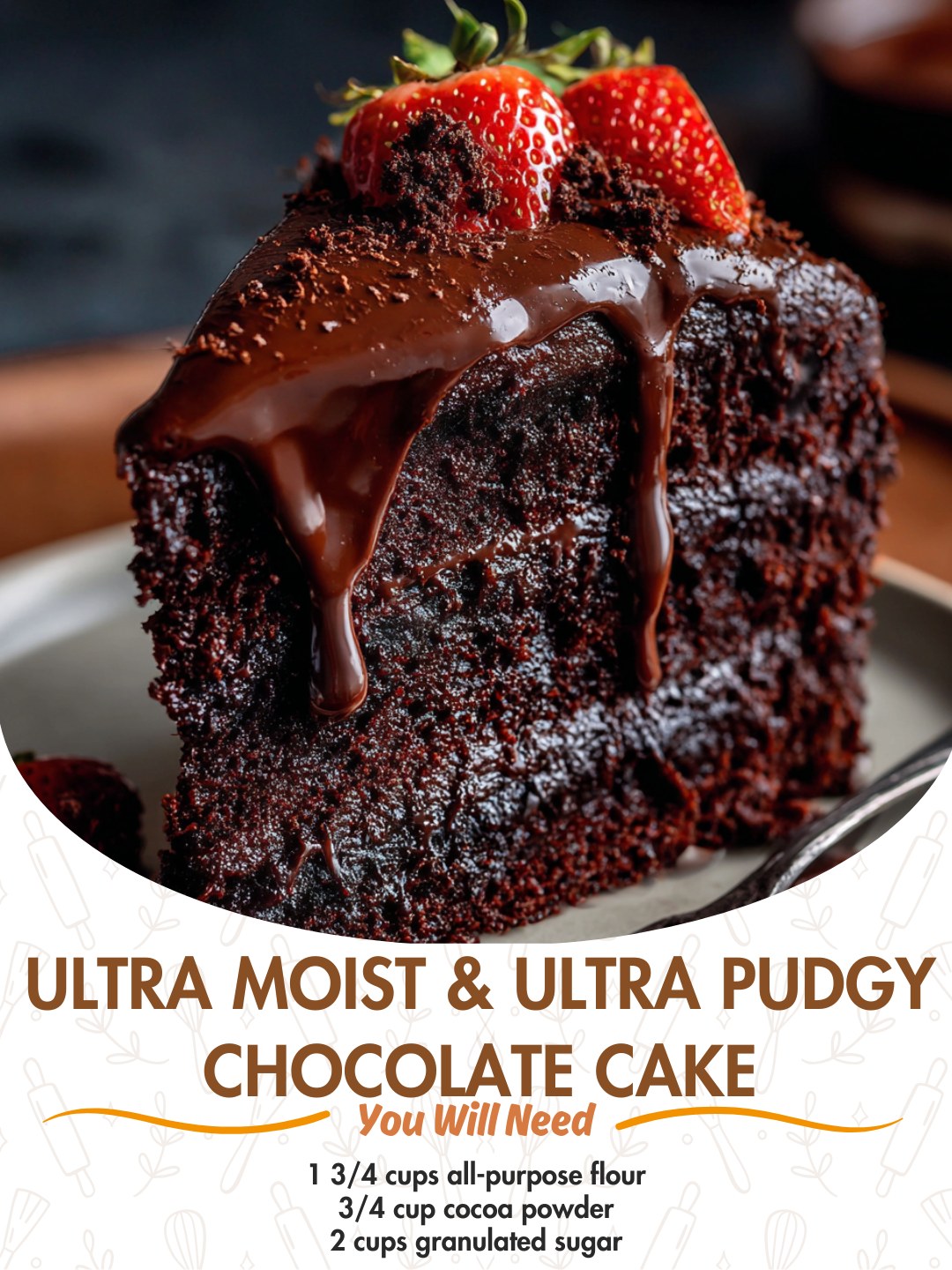
This Ultra Moist & Ultra Pudgy Chocolate Cake is more than just a dessert; it’s a reliable source of joy in my kitchen. It has never let me down, and it has brought smiles to so many faces around my table. I hope it becomes a cherished, trusty recipe in your home, too—one that you make from memory for the people you love most. Now, go preheat that oven and get ready for the best chocolate cake of your life. Happy baking