Step-by-Step Instructions
First, we gently warm the milk. Pour it into your heavy-bottomed saucepan over medium-low heat. You’re not boiling it, just getting it steamy hot. I watch for little bubbles to form around the edges—that’s my cue. While that’s happening, whisk the eggs, sugar, and salt in your bowl. Whisk until it’s smooth and just combined, but don’t go wild and create a froth. This is where patience pays off. I once got distracted and let the milk simmer, and when I poured it into the eggs, I got bits of curdle. Slow and steady wins the race.
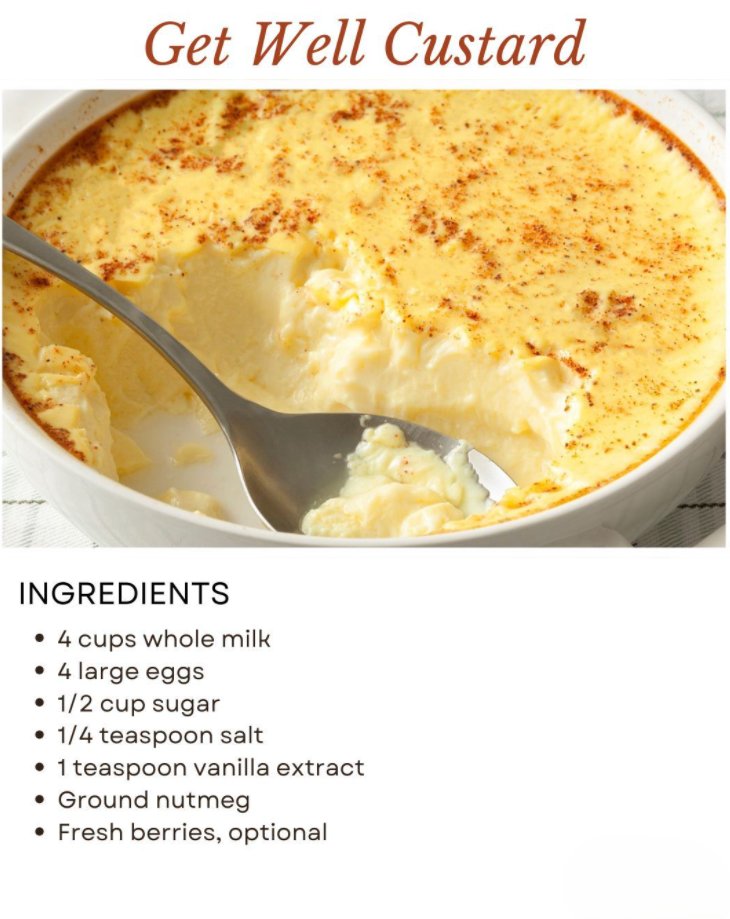
Now, the crucial step: tempering the eggs. This is where you slowly introduce the hot milk to the egg mixture so they become friends without the eggs scrambling. I pour the hot milk in a very slow, thin stream while whisking the egg mixture constantly. It feels like a dance, one hand pouring, the other whisking. Once combined, stir in the vanilla. Then, pour the entire mixture through your fine-mesh sieve into the baking dish or ramekins. It feels fancy and ensures utter silkiness. Sprinkle the top lovingly with a dusting of nutmeg.
Finally, the water bath. Place your filled dish(es) into the roasting pan and carefully pour hot water from your kettle into the pan until it comes halfway up the sides of the custard dish. This gentle, indirect heat is what gives custard its signature smooth texture. Bake until the edges are set but the center still has a slight, graceful jiggle—like Jell-O, not liquid. For me, this is usually about 50-60 minutes. Let it cool completely; the wait is agony, but it firms up perfectly.
Pro Tips for Best Results
The jiggle test is your best friend. I’ve overbaked custard before, and the result was a slightly rubbery, weeping dessert. You want that confident, gentle jiggle in the very center when you nudge the pan. It will continue to set as it cools. If you’re using ramekins, check them a few minutes earlier, as small vessels cook faster. Letting the custard cool to room temperature before refrigerating is another game-changer I learned. It prevents condensation from forming on that beautiful surface.
I tested tempering three different ways: pouring all the hot milk in at once (disaster), pouring too fast (lumpy), and the slow stream method (perfection). The slow stream while whisking constantly is the only way. Also, don’t skip straining. Even when I think my mix is perfectly smooth, the sieve always catches tiny protein bits that would bake into little solid specks. It’s the difference between good and exceptional.
For the deepest flavor, I sometimes steep the warming milk with the scraped seeds of a vanilla bean pod for 15 minutes off the heat before proceeding. If you have the time and a bean, it’s magical. Otherwise, a full tablespoon of a really good pure vanilla extract added after tempering makes all the difference. The flavor is brighter and more pronounced.
(See the next page below to continue…)