Common Mistakes to Avoid
My biggest first-time mistake? Using a glass baking dish directly from the cupboard and placing it into the hot water bath. The temperature shock caused it to crack with a terrifying ping! I had to start all over. Now, I always make sure my baking dish is at room temperature, or I carefully pre-warm it with some hot tap water before adding the custard mix. It’s a simple step that saves heartache and a messy oven.
Another pitfall is rushing the cooling process. I was so eager to dig in once that I put the hot custard straight into the fridge. Not only did it warm up everything else in there, but the top developed a slight skin and it wept moisture. Letting it cool on the counter for a good hour or two allows it to set gently and evenly. Patience is truly the secret ingredient in this recipe.
Serving Suggestions
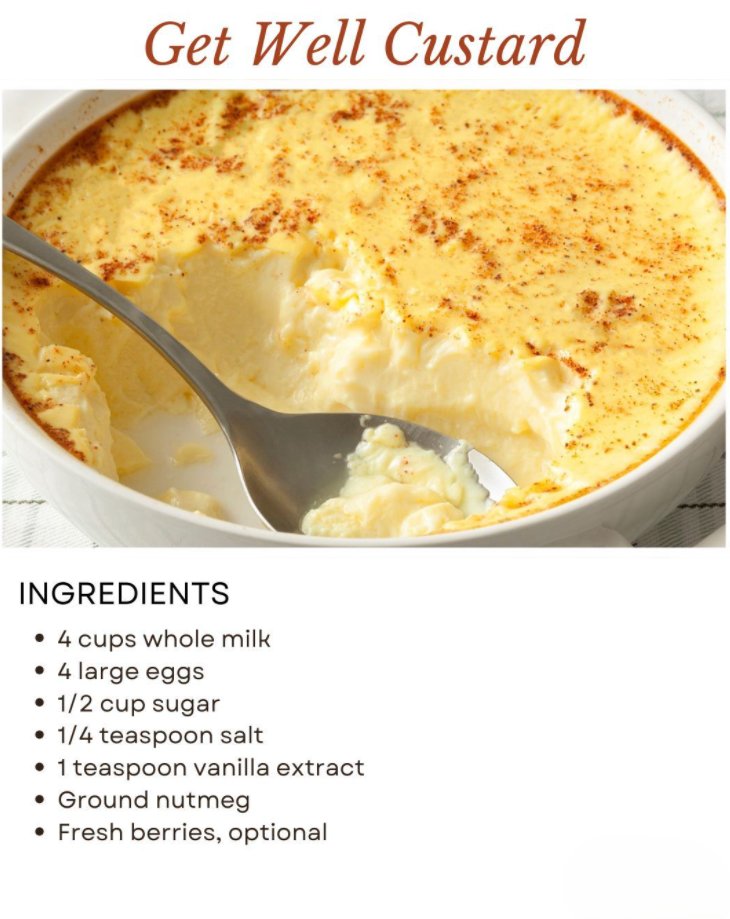
I love serving this custard still slightly chilled, straight from the fridge. The contrast between the cool, silky interior and the warmth of the nutmeg is sublime. In the summer, I always have a bowl of fresh berries—raspberries or macerated strawberries—to spoon over the top. The tart berries cut through the richness perfectly. In the fall, a drizzle of warm caramel sauce or a scattering of toasted pecans transforms it into something truly decadent.
For a simple, elegant presentation, I often make individual portions in ramekins. It makes everyone feel special. Sometimes, I’ll skip the nutmeg and instead top each one with a single, perfect blackberry or a thin slice of peach in the summertime. It’s a blank canvas for your favorite flavors. My family loves it as is, but a dollop of softly whipped cream never hurt anybody, either.
Variations & Customizations
Once you’ve mastered the classic, the fun begins. My favorite variation is a chocolate custard. I add 1/3 cup of high-quality cocoa powder to the sugar and egg mixture and whisk it into a paste before tempering with the milk. It’s like the most intense, set chocolate pudding you’ve ever had. I’ve also infused the warm milk with other flavors—a big pinch of saffron threads for a gorgeous golden color and exotic taste, or a few strips of orange zest for a bright, citrusy note.
For a coffee lover’s twist, dissolve a tablespoon of instant espresso powder into the warm milk. It’s incredible. If you’re avoiding dairy, I’ve had success using full-fat canned coconut milk. The flavor is different, of course, but wonderfully rich and tropical. And while I adore nutmeg, swapping it for a cinnamon dusting is a cozy change for the holidays. This recipe is wonderfully forgiving and eager to play.
How to Store, Freeze & Reheat
Vanilla custard stores beautifully. Once completely cooled, I cover the baking dish tightly with plastic wrap, pressing it directly onto the surface to prevent a skin from forming (though some people love that skin—no judgment!). It keeps perfectly in the refrigerator for 3-4 days. The flavor even seems to deepen on the second day. If using ramekins, I cover each one individually. Leftovers have never been a problem in my house.
I do not recommend freezing this custard. I tried it once, hoping for a future treat, and the texture was grainy and separated upon thawing. It lost all its luxurious silkiness. As for reheating, custard is meant to be enjoyed cold or at room temperature. If you absolutely must warm it, do so with extreme caution. Place a portion in a heatproof bowl over a pot of simmering water (a double boiler) and stir gently just until it’s lukewarm. Microwaving will likely cause it to curdle. My advice? Embrace the chill.
FAQ Section
Can I make this custard without a water bath?
I strongly advise against skipping the water bath, or bain-marie. I tried it once out of laziness, and the custard cooked too quickly from the bottom up, becoming firm and almost spongy on the bottom while still raw in the center. The water bath creates a gentle, humid oven environment that cooks the custard evenly and slowly, giving you that perfect, creamy texture. It’s the one step you really can’t shortcut.
My custard is watery after chilling. What happened?
This usually means it was underbaked. The center needs that slight jiggle, but if it was still truly liquid, it won’t set fully. Next time, bake it a few minutes longer until the jiggle is more of a unified tremor. Also, ensure your eggs were properly tempered; if they began to curdle slightly, they can release moisture. Don’t worry—even a slightly loose custard still tastes delicious over some berries!
Is there a way to make this recipe richer?
Absolutely! For an ultra-decadent version, substitute 1 cup of the whole milk with 1 cup of heavy cream. I do this for special occasions, and it’s phenomenally rich and thick. You can also use all egg yolks instead of whole eggs—about 6-8 yolks for this recipe. It creates a denser, brighter yellow custard that’s incredibly luxurious. It’s a bit more expensive, but worth it for a dinner party.
Conclusion
This vanilla custard is more than a recipe to me; it’s a moment of calm, a act of simple creation, and a guaranteed smile from anyone who tries it. It has seen me through rainy days, celebrated sunny ones, and become my most requested “bring a dessert” item. I hope it brings as much quiet joy to your kitchen as it has to mine. Now, go warm some milk, grab your whisk, and make something wonderful. You’ve got this.