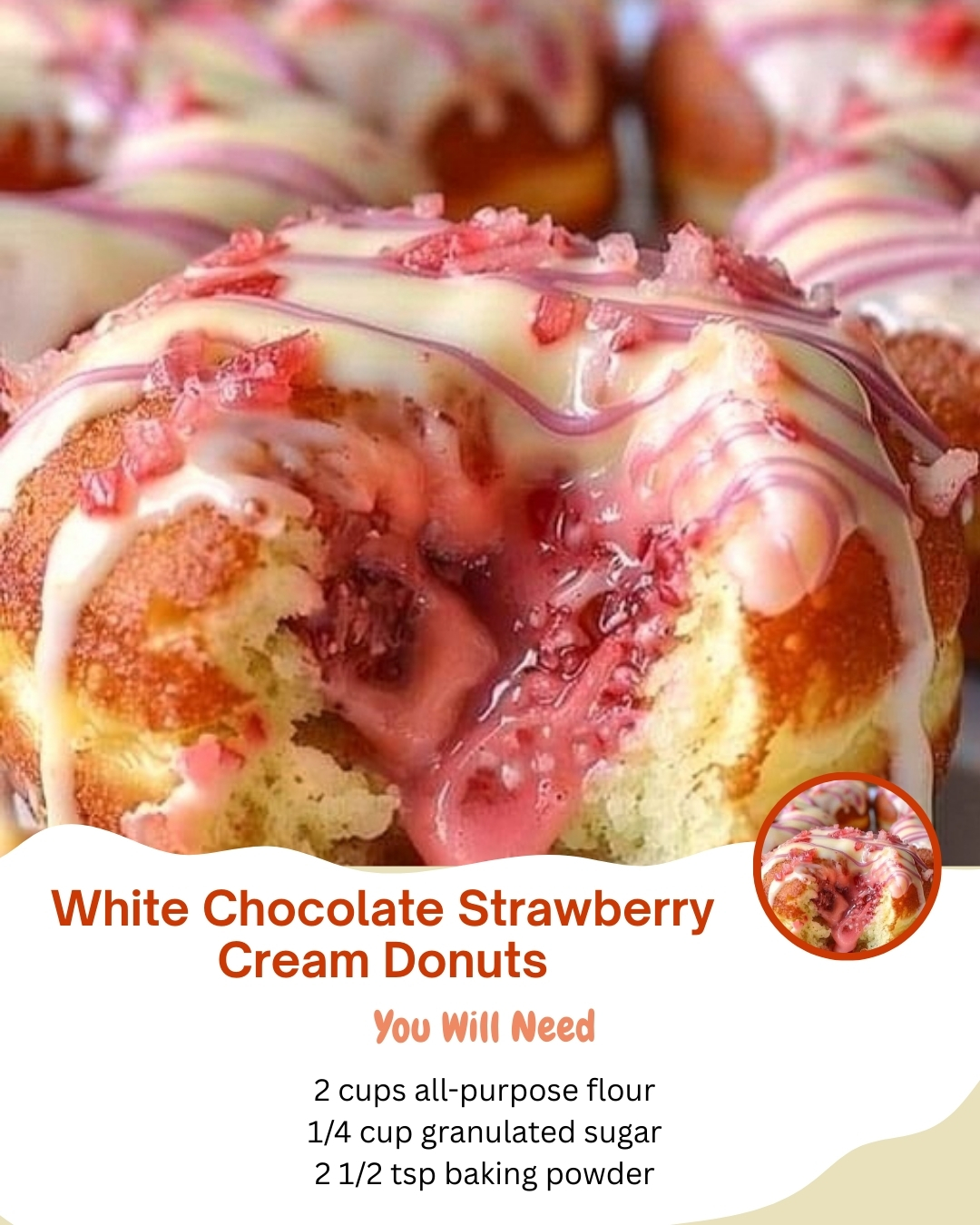
Finally, the assembly, which is my favorite part. Use a small knife or the end of a spoon to poke a hole in the side of each cooled donut, wiggling it inside to create a little pocket. Fill your piping bag with the strawberry cream and pipe it into each donut until you feel it just start to resist—you’ll see the donut plump up a bit. Then, take a donut and carefully dip the top into the white chocolate, letting the excess drip off. I place them back on the rack, and if I’m feeling fancy, I’ll sprinkle on some freeze-dried strawberry dust or extra sprinkles before the chocolate sets.
Pro Tips for Best Results
Let’s talk about temperature. I tested this three different ways, and the single biggest factor is making sure your donuts are completely, totally cool before filling and dipping. I was impatient once and tried to fill a slightly warm donut. The cream instantly started to melt and weep, creating a soggy mess. Let them sit on that cooling rack for a good 30 minutes. Similarly, let your melted white chocolate cool for about 5 minutes off the heat. If it’s too hot, it’ll run right off the donut; if it’s too cool, it’ll be gloppy. You want a smooth, coating consistency.
For the fluffiest whipped cream filling, chill everything—your bowl, your beaters, even the measured cream in the fridge until the last second. I’ve made the mistake of using cream that sat on the counter while I baked, and it took forever to whip up. The colder your components, the faster and more stable your cream will be. And fold those strawberries in gently at the very end. Overmixing can deflate the cream and turn it pink (which is still tasty, but not as pretty!).
Don’t skip the step of creating a proper pocket inside the donut. The first time, I just shoved the piping tip in and squeezed, which caused the donut to split awkwardly. Taking a moment to hollow out a little space with a knife gives the cream a home and allows you to get a generous amount inside without a structural disaster. It’s the difference between a donut with a cream center and a cream-filled donut.
Common Mistakes to Avoid
The most common mistake I made, and I see others make, is overcomplicating the batter. This is a simple, forgiving cake donut recipe. You do not need to beat it or mix it until it’s silky. As soon as the wet and dry ingredients are incorporated, stop. A lumpy batter bakes up into the most tender, perfect crumb. I promise. A smooth batter, in my experience, leads to a denser, less joyful donut.
Another pitfall is using low-fat milk or margarine instead of butter. I tried a “lighter” version once, and the donuts lacked richness and that beautiful, tender texture. The fat matters here. And for the chocolate, avoid adding any liquid to it while melting. No butter, no cream. Just melt the pure chopped bars slowly and gently. Adding liquid is a surefire way, as I discovered tragically, to cause the chocolate to seize into a grainy, un-dippable block.
Serving Suggestions
I like serving these donuts the day they’re made, ideally within an hour or two of assembling, when the donut is still soft, the chocolate is set but not hard, and the cream is perfectly chilled. They’re stunning on a brunch table with fresh berries and coffee. For a special treat, I’ll sometimes serve them with a small dish of extra strawberry compote for dipping, turning them into an almost decadent dessert.(See the next page below to continue…)