Another common error is adding all the ingredients at once. This soup thrives on layers of flavor, so it’s crucial to sauté the aromatics first before introducing the rest of the vegetables and broth. This method builds a beautiful foundation for the taste.
I also urge you not to overcook your pasta! I used to add it too early, leading to mushy noodles. Instead, I add it towards the end, stirring just enough for it to reach the desired al dente texture. Remember, the pasta will continue cooking even after being removed from heat, so it’s better to err on the slightly undercooked side.
Serving Suggestions
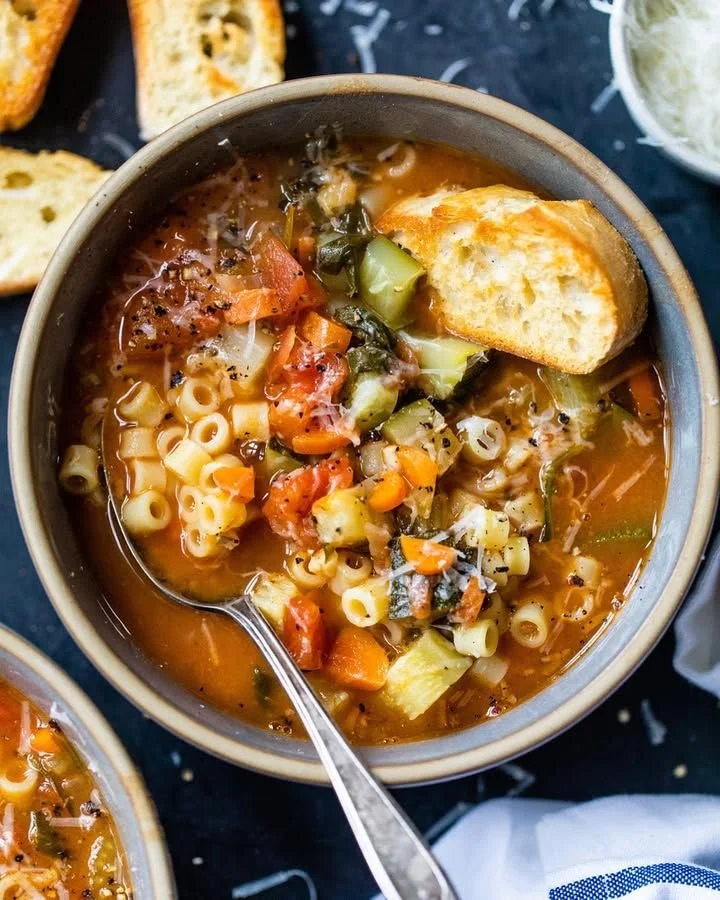
Serving minestrone soup is practically an art. I love placing bowls of steaming soup on the dining table, along with warm, crusty bread for dipping. The combination of textures and flavors is simply divine. Sometimes, I even turn it into a little soup and salad night, pairing it with a simple arugula salad dressed with lemon and olive oil.
In my experience, finishing off with a sprinkle of grated Parmesan elevates each bowl. It adds richness and a slightly nutty flavor that melds beautifully with the soup. I make it a point to offer extra cheese at the table—trust me, no one has ever complained about having more cheese!
Also, I find that adding a drizzle of high-quality olive oil or balsamic reduction just before serving adds that final touch of elegance. It not only enhances the presentation, making it look appetizing, but also boosts the flavors even more.
Variations & Customizations
One of the best things about minestrone is its versatility! I often swap the beans based on what’s available—sometimes using kidney beans or even chickpeas for added protein. Occasionally, I get adventurous and add butternut squash for sweetness or kale for a slightly rustic touch.
On days when I crave a heartier soup, I’ll throw in some cooked sausage or diced chicken. It transforms the soup from vegetarian to meaty, perfect for when I want something a bit more filling. Just remember to adjust your seasoning accordingly, as meats can add additional saltiness.
I also enjoy experimenting with spices! A sprinkle of red pepper flakes can bring a delightful kick, while smoked paprika adds depth. You can easily personalize the recipe to fit your taste buds, making every pot unique and special.
How to Store, Freeze & Reheat
Storing minestrone soup is a breeze! I often let it cool to room temperature, then transfer individual portions into airtight containers. It usually lasts for about 4-5 days in the fridge, but trust me, it’s so good, it rarely lasts that long!
For long-term storage, I recommend freezing it. I ladle the soup into freezer-safe containers or resealable bags (laying them flat in the freezer to save space). Properly stored, it can last for up to three months. When ready to enjoy, I simply transfer it to the fridge to thaw overnight or pop it straight from the freezer into a pot over low heat.
When it comes to reheating, I find that gently warming it over medium-low heat on the stovetop works best. This method allows it to come back to life without boiling too aggressively, which can easily overcook the pasta. I also add a splash of broth to loosen it up if the soup looks a little thick upon reheating.
Conclusion
There you have it—my favorite minestrone soup recipe, perfect for family gatherings or cozy nights in! I cherish the moments spent stirring this vibrant dish and savoring each bite full of warmth and love. I hope you enjoy making this enticing soup as much as I do! It has the potential to become a cherished staple in your kitchen too. Happy cooking!