Pro Tips for Best Results
I tested this three different ways: with a non-stick skillet, a regular round pan, and the proper rectangular pan. The rectangular pan makes a world of difference for getting neat edges and an easier roll, but if you only have a small round non-stick, you can absolutely make it work—your roll will just be more free-form and rustic, which is still delicious. The key is keeping it small; use an 8-inch pan at most.
Here’s what I learned the hard way about heat control: my first batch was a scrambled, brown mess because I was impatient. Medium-low is your mantra. If the eggs are cooking in under 20 seconds, it’s too hot. If they’re not setting after 90 seconds, nudge it up a tiny bit. It’s better to go slow. The eggs should remain a consistent pale yellow, not take on any browning.
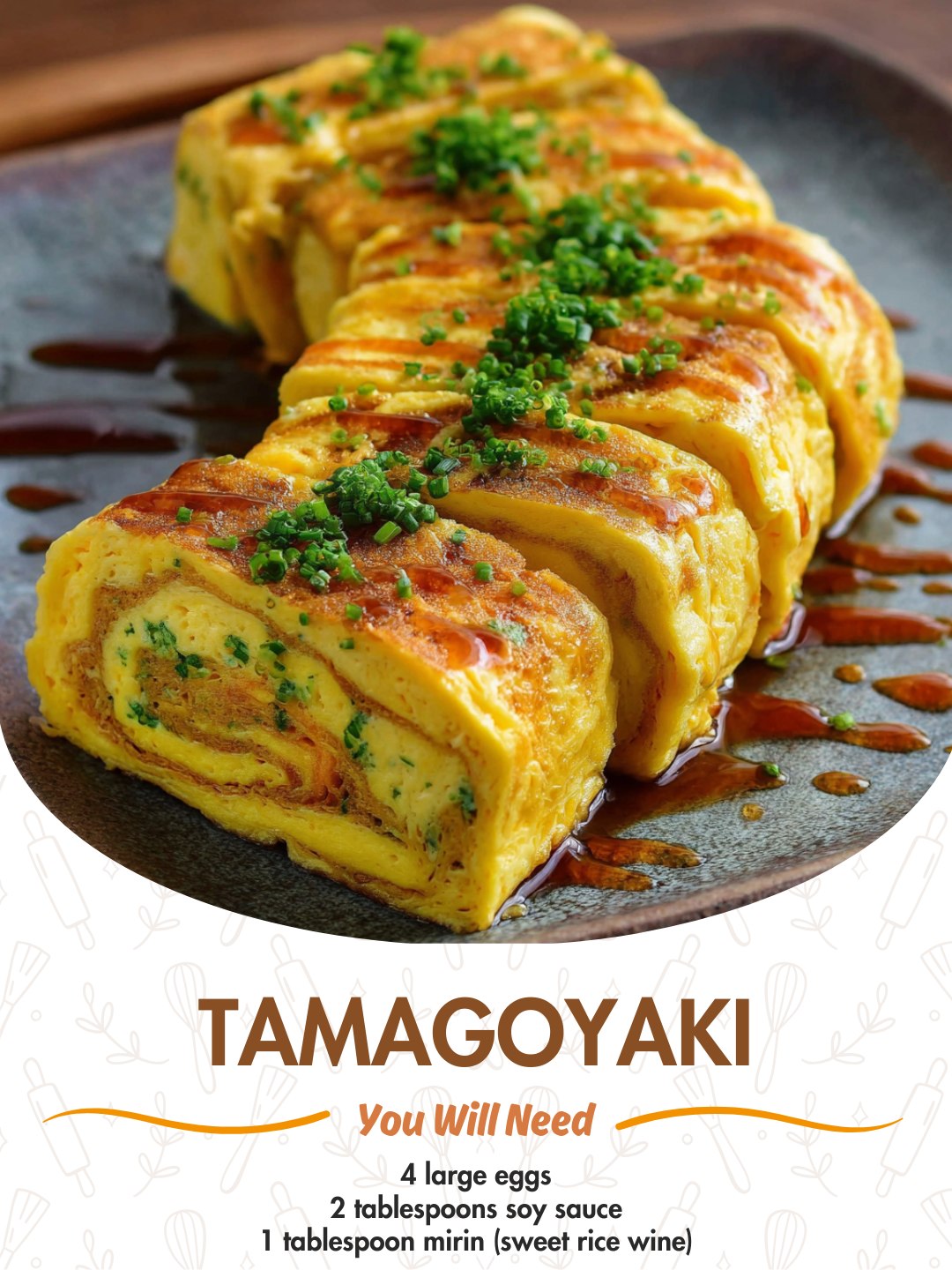
Don’t skip the step of letting the rolled log rest in a mat or paper. When I first started, I’d slice it right away and the layers would squish and ooze. Letting it rest for 5-10 minutes allows the residual heat to finish cooking the interior gently and lets the structure firm up, giving you those gorgeous, clean slices that show off every layer.
Common Mistakes to Avoid
I made this mistake the first time—don’t do what I did and pour too much egg for the first layer. It seems logical to get a thick base, but a thick first layer is harder to roll neatly and can make the whole omelette bulky and difficult to manage. That initial layer should be just enough to coat the pan. Thin layers are the secret to a delicate, tender roll.
Another classic error is overfilling the pan for subsequent layers. You want just enough new egg to create a new, thin connection to your existing roll. If you pour a thick pool, it will take too long to set on top, and when you roll, the uncooked egg will spill out and make a mess. It’s a gentle, incremental building process. Embrace the rhythm of thin layer, set, roll, repeat.
Serving Suggestions
I like serving warm Tamagoyaki sliced into thick, beautiful rounds for breakfast alongside a bowl of miso soup and a little mound of pickled vegetables. The contrast of the sweet egg, salty soup, and tangy pickles is absolute perfection. It feels like a complete, comforting meal that starts the day right.
For lunch, it’s a bento box superstar. I let it cool completely, slice it, and pack it with rice, some blanched broccoli, and maybe a piece of teriyaki salmon or chicken. It travels beautifully and doesn’t get soggy. The slices are so visually appealing and make a simple lunch feel thoughtfully prepared.
You can also get creative! I sometimes dice leftover Tamagoyaki and toss it into a warm bowl of ramen or udon noodles just before serving. It soaks up a bit of the broth and adds a wonderful, rich eggy element. Or, serve it as a cold appetizer with a tiny dab of grated daikon radish and a drop of soy sauce for dipping.
Variations & Customizations
Once you master the basic recipe, the fun begins. One of my favorite variations is adding a handful of very finely chopped scallions or chives to the egg mixture. You have to be careful not to overload it, but the little pops of onion flavor are fantastic. I’ve also tried mixing in a teaspoon of finely grated ginger for a little zing, which is lovely in the fall.
For a more substantial version, you can add a very thin layer of fillings. After pouring your first egg layer, try sprinkling a small amount of shredded cheese, a few baby spinach leaves, or even some flaked cooked salmon across the surface before you roll. Just remember, less is more—too much filling will prevent the egg layers from sticking together.
If you’re feeling adventurous, you can play with the seasoning base. I once used a combination of usukuchi (light soy sauce) and a teaspoon of sake instead of mirin for a slightly different profile. A friend of mine adds a tiny pinch of MSG (just a pinch!) to amplify the umami, and honestly, it’s incredible. The beauty of this dish is its adaptability.
How to Store, Freeze & Reheat
From my experience, Tamagoyaki is best eaten the day it’s made, but it stores surprisingly well. Once completely cooled, wrap the whole log tightly in plastic wrap and store it in the fridge for up to 2 days. Slicing it only when you’re ready to eat helps prevent it from drying out. The texture will firm up a bit in the fridge, but it’s still delicious cold.
I do not recommend freezing it. I tried freezing a batch once, thinking it would be a great make-ahead option, and the result was a disappointment. The texture became spongy and watery upon thawing, losing that signature delicate tenderness. For reheating, if you must, gently warm slices in a steamer for a minute or two, or microwave them for just 10-15 seconds on low power. But honestly, I think it’s perfect at room temperature or even straight from the fridge.
Conclusion
Making Tamagoyaki has become one of my favorite kitchen rituals. It’s a dish that requires a bit of focus and a gentle hand, but the reward—a sweet, layered, beautifully rolled omelette that you made yourself—is utterly satisfying. I hope you give it a try and find the same joy in the process that I do. Don’t be discouraged if your first roll isn’t perfect; mine certainly wasn’t! Each attempt gets better, and even the “ugly” ones taste amazing. Happy rolling