Next, once the mixture reaches a rolling boil, stop stirring and let it cook undisturbed until it reaches the soft-ball stage (approximately 238°F to 240°F if you’re using a thermometer). If you don’t have one, you can do a simple test by dropping a small amount of the mixture into cold water; if it forms a soft ball, you’re ready for the next step! Once you achieve this temperature, remove it from heat and add the butter and vanilla extract. Do not stir just yet—allow it to cool for about 5-10 minutes.
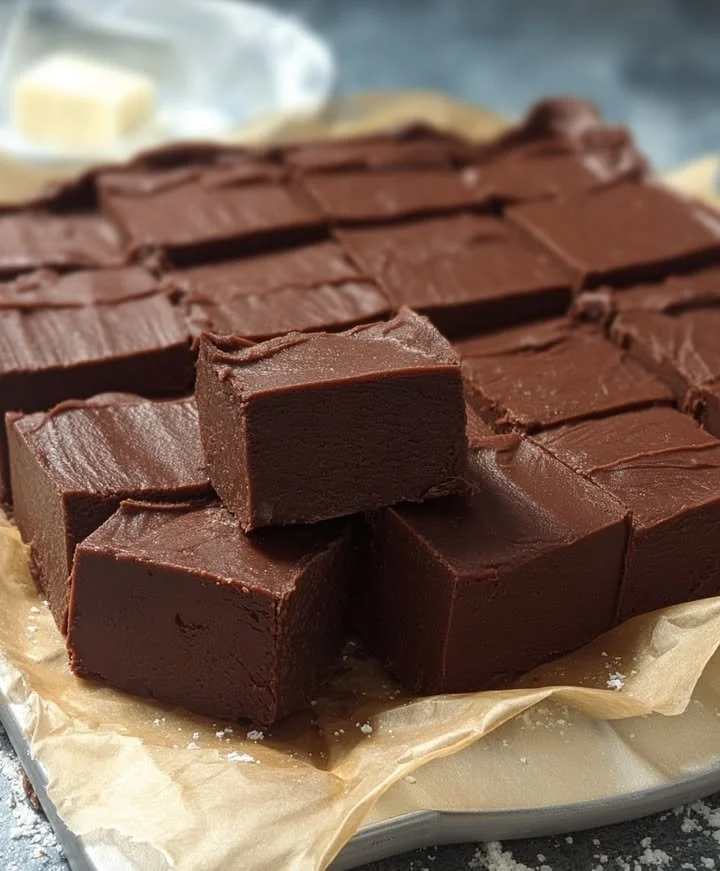
After allowing the fudge to cool slightly, it’s time to give it a good stir. This is the moment you can add in the chopped walnuts, if you choose to include them. As I mix, I love watching the glossy chocolate start to dull slightly, signaling that I’m nearly ready to pour it into the baking dish. I pour the fudge into a baking dish that I’ve lined with parchment paper, spreading it evenly. Let it set at room temperature for several hours or until firm before cutting it into squares.
Pro Tips for Best Results
When I first started making fudge, I tested this recipe three ways: with a saucepan, a microwave, and even using a double boiler. While the microwave was convenient, I found that the stovetop method gives the best texture and flavor. There’s something so rewarding about standing there, stirring, and watching it transform.
Another tip is to always ensure your utensils and equipment are clean and dry; any moisture can alter the fudge’s consistency. I’ve made the mistake of rushing this step once, and I ended up with a grainy texture that just wasn’t right for my family’s expectations—it broke my fudge-loving heart!
Lastly, be patient! Fudge needs time to cool and set properly. If you’re tempted to cut into it too soon, you might be disappointed with a gooey mess. Trust me; the wait is worth every second!
Common Mistakes to Avoid
One of the most common mistakes I made initially was not allowing the fudge to reach the soft-ball stage correctly. What resulted was a mix that was either too hard or a syrupy mess. Over time, I learned that investing in a candy thermometer is worth it; it takes the guesswork out of the equation. If you don’t have one, be diligent with the cold water test. It works like a charm!
Another pitfall is stirring the mixture too long once it reaches the boiling point. I remember one time I got too engrossed in stirring and ended up with a grainy, overly thick fudge that didn’t taste right. Just remember to stop once it hits a good boil!
Also, be careful with the amount of butter you add. I’ve gone a little heavy on the butter in the past in hopes of making it extra creamy, but I learned that it can actually change the texture and cause it to set incorrectly. Stick with the measured amount for perfect results! (See the next page below to continue…)